Should you watch The Arrival of a Train at La Ciotat?
Who it’s good for, who it isn’t, and what’s in it. No ratings, no scores.
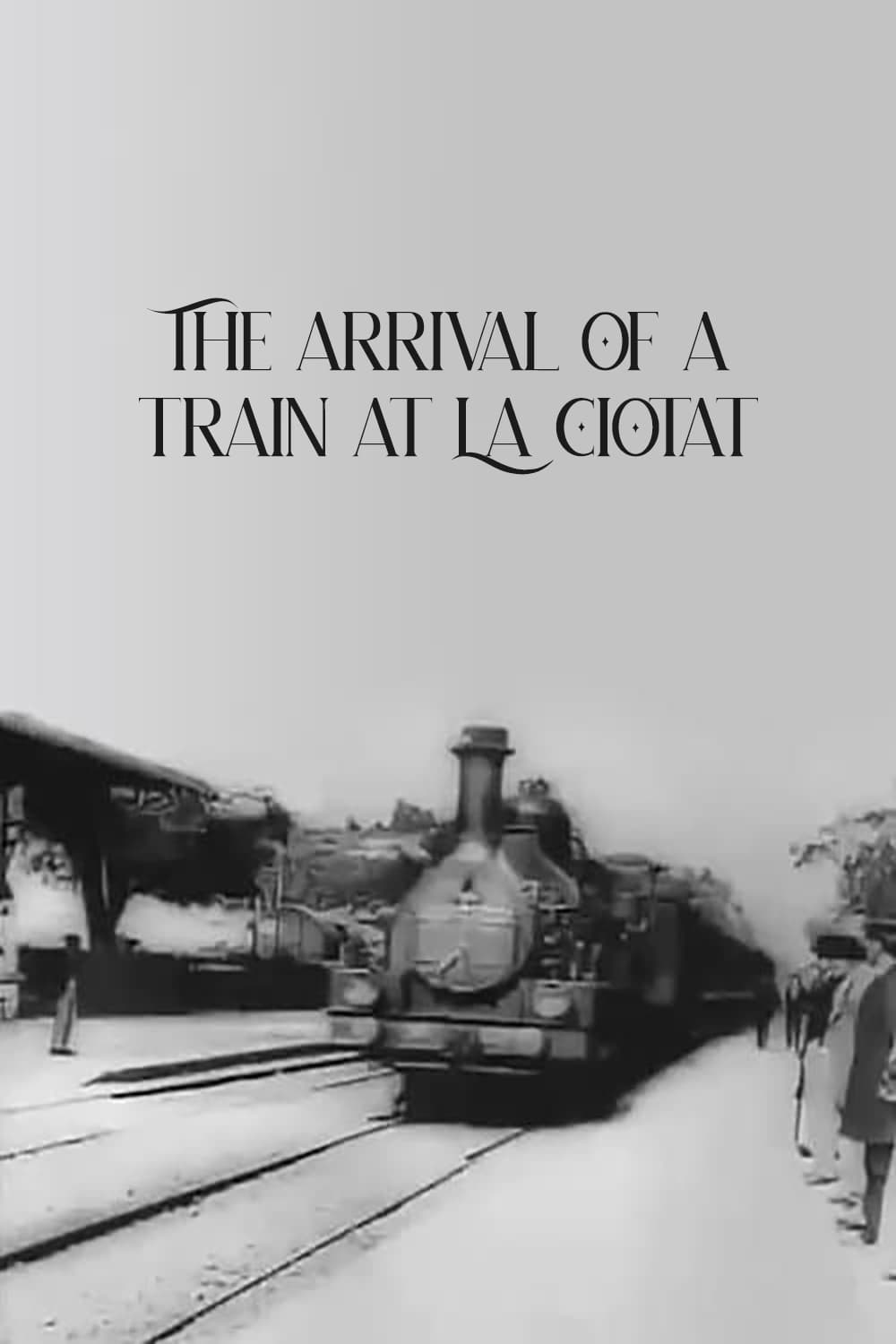
The Arrival of a Train at La Ciotat
Documentary · 1896
A group of people are standing along the platform of a railway station in La Ciotat, waiting for a train. One is seen coming, at some distance, and eventually stops at the platform. Doors of the railway-cars open and attendants help passengers off and on. Popular legend has it that, when this film was shown, the first-night audience fled the café in terror, fearing being run over by the "approaching" train. This legend has since been identified as promotional embellishment, though there is evidence to suggest that people were astounded at the capabilities of the Lumières' cinématographe.
The sides of The Arrival of a Train at La Ciotat
- A train pulling into a station in 1896
- People waiting on a platform
- One shot, under a minute, no sound
The Arrival of a Train at La Ciotat is good for you if…
- you like black and white film from before anyone knew what film was for.
- you want to see how people stood and dressed in 1896.
- you like watching real people do an ordinary thing.
The Arrival of a Train at La Ciotat is bad for you if…
- you want people to follow and a story to care about.
- you watch for scale and sound on a big screen.
About: early cinema · travel · crowds
Closest to The Arrival of a Train at La Ciotat
More like this Titicut Follies 1967Good for you if you want to see a real prison hospital with no narrator telling you what to think.
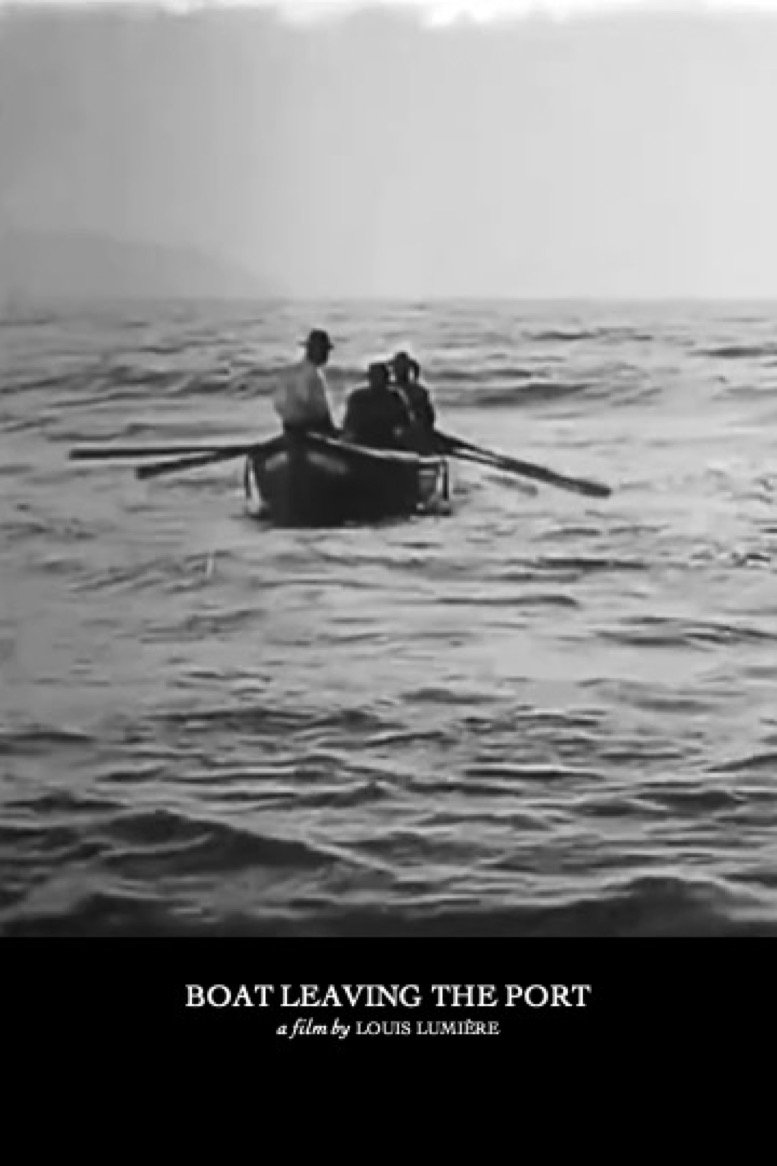 Boat Leaving the Port 1895Good for you if you love the very first films shot by the Lumière brothers.
 Demolition of a Wall 1896Good for you if you like the very first films ever shown.
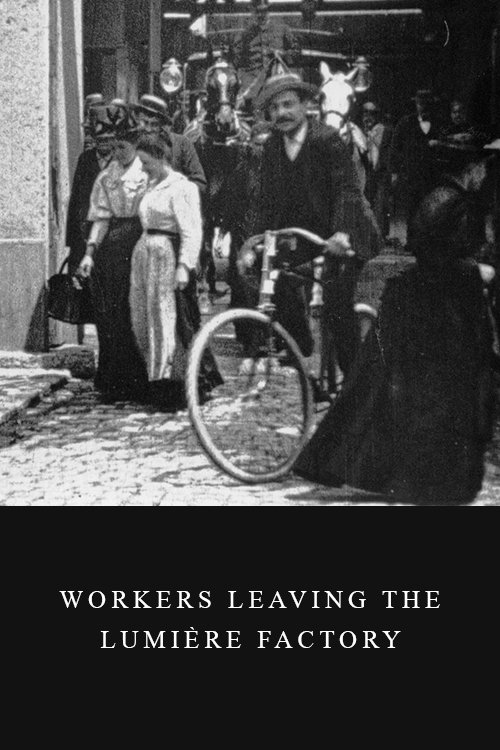 Workers Leaving the Lumière Factory 1895Good for you if you want to see one of the very first films ever shown.
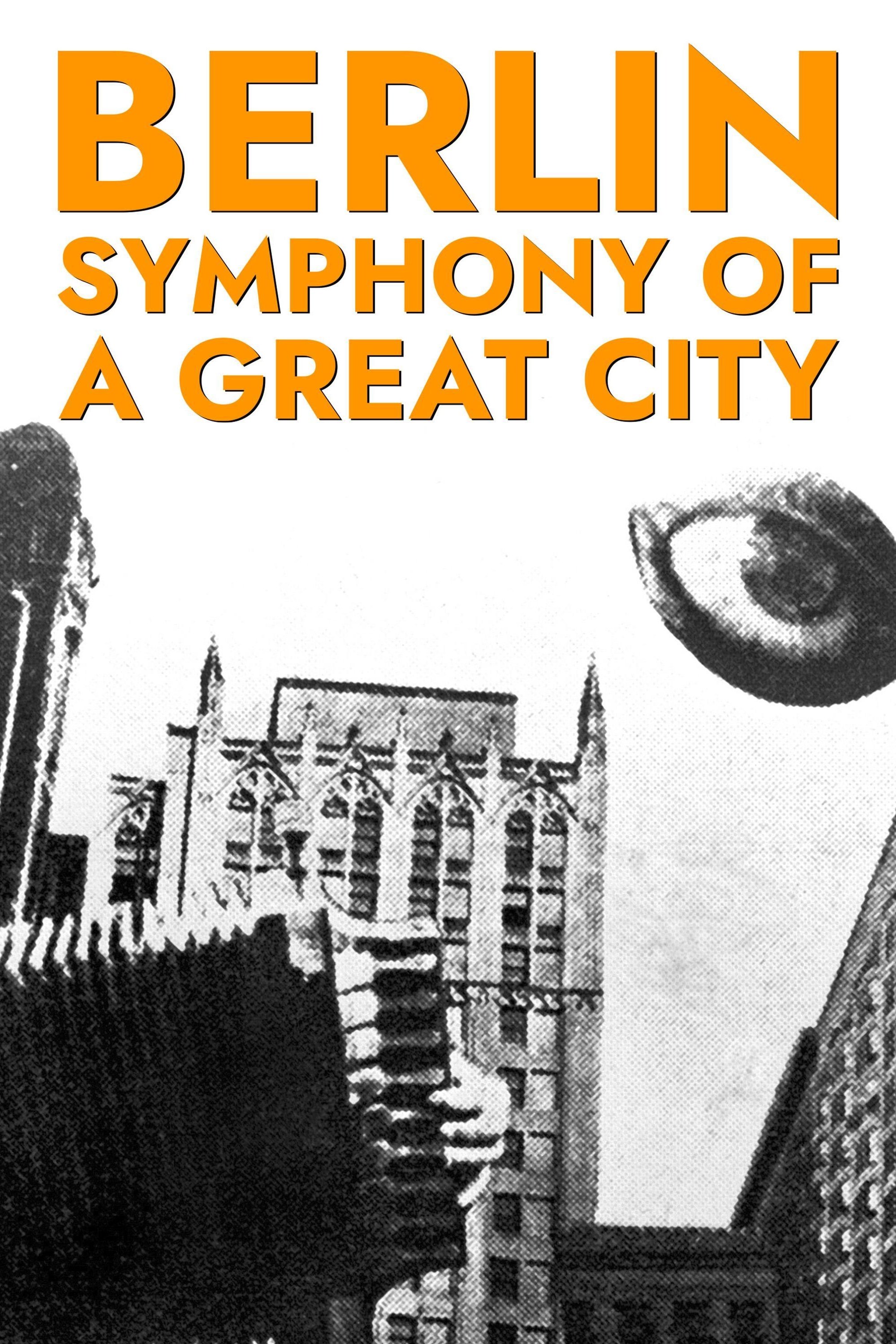 Berlin: Symphony of a Great City 1927Good for you if you like a city filmed like a machine, frame after frame.
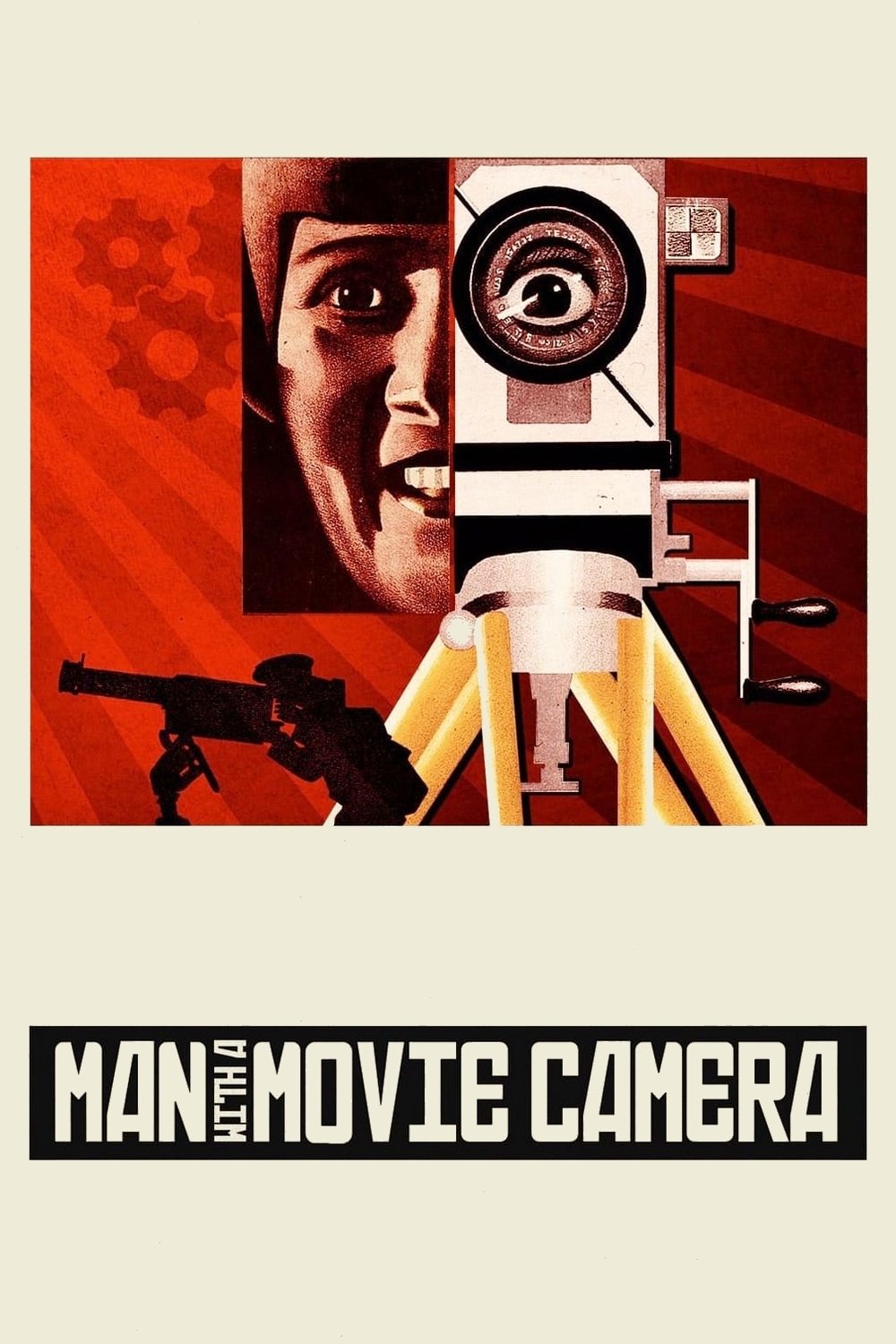 Man with a Movie Camera 1929Good for you if you like seeing camera tricks invented before your grandparents were born.