Saltar al contenido principal

¿Qué quieres ver esta noche?

Cada título dice para quién es bueno y para quién no. Toca lo que quieres esta noche, o di que no a uno y por qué.

Lo más cercano a Berlin: Symphony of a Great City primero
  1. Man with a Movie Camera 1929

    Documentary

    A cameraman wanders around with a camera slung over his shoulder, documenting urban life with dazzling inventiveness.

    The sides of Man with a Movie Camera

    • A cameraman filming Soviet cities in the 1920s
    • A day of city life from waking to work to play
    • Split screens, slow motion and fast cuts

    Good for you if

    • you like seeing camera tricks invented before your grandparents were born.
    • you like silent black and white film.
    • you like the thrill of trams, factories and crowds cut to a rhythm.

    Bad for you if

    • you need a story and people to follow. There is no plot and no actor.
    • you need words. It is silent, with no intertitles.

    About: the city · modernity · cinema itself

    Explora sus caras
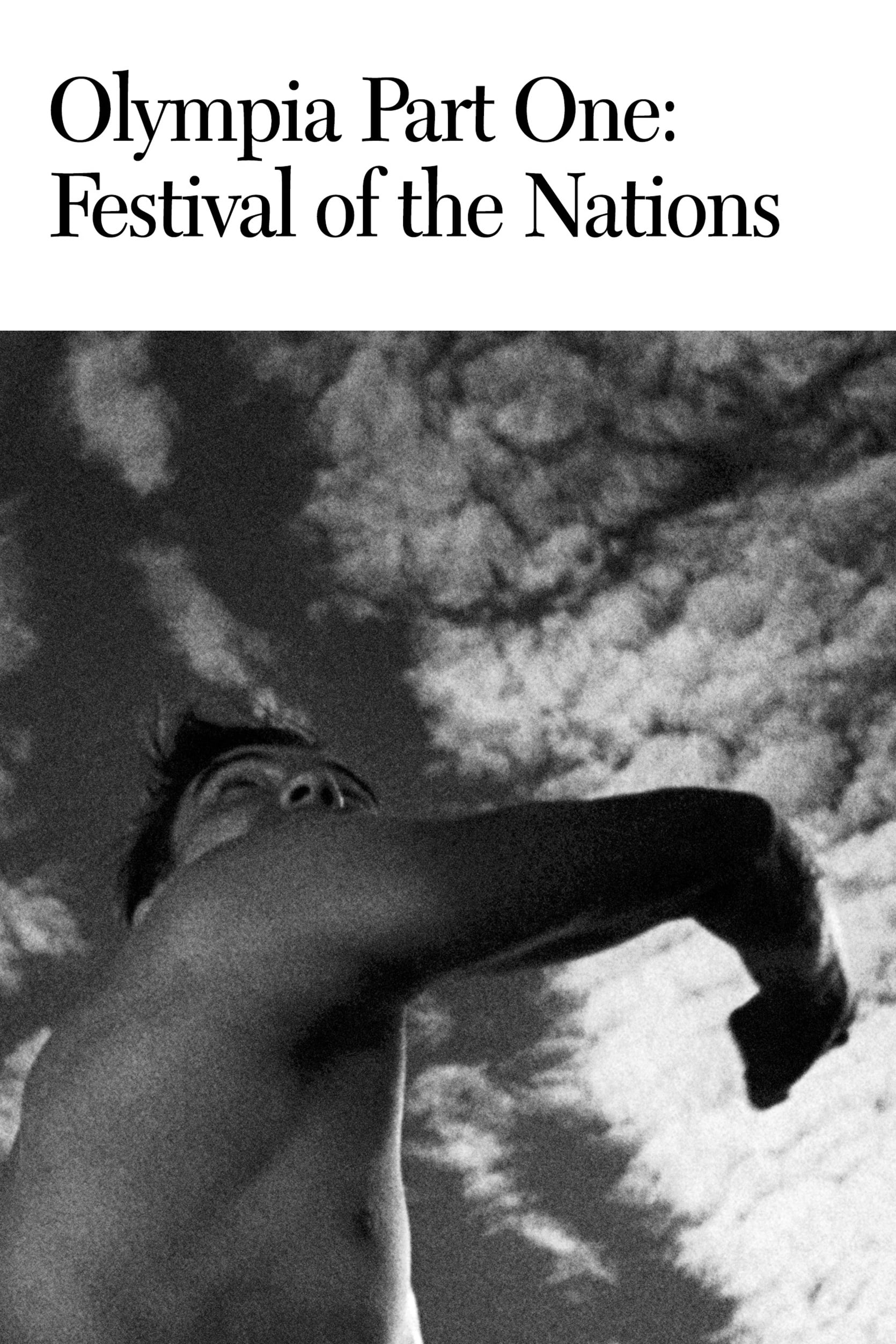
  2. Starting with a long and lyrical overture, evoking the origins of the Olympic Games in ancient Greece, Riefenstahl covers twenty-one athletic events in the first half of this two-part love letter to the human body and spirit, culminating with the marathon, where Jesse Owens became the first track and field athlete to win four gold medals in a single Olympics.

    The sides of Olympia Part One: Festival of the Nations

    • The 1936 Berlin Olympics
    • Jesse Owens winning four gold medals
    • A film made for the Nazi regime

    Good for you if

    • you like Leni Riefenstahl's camera angles that shaped how sport is filmed.
    • you like watching athletes in motion, event after event.
    • you want to see how the Nazi regime staged the 1936 Games.

    Bad for you if

    • you find black and white films from the 1930s dated.
    • you won't read subtitles for German narration.

    About: propaganda · the body · competition
    Explora sus caras
  3. British progressive rock band Pink Floyd perform at the ancient Roman Amphitheatre in the ruins of Pompeii, Italy in 1971. Although the band perform a typical live set from the era, there is no audience beyond the basic film crew.

    The sides of Pink Floyd: Live at Pompeii

    • Pink Floyd playing in an empty Roman amphitheatre
    • Long psychedelic pieces like Echoes
    • The ruins of Pompeii as a stage

    Good for you if

    • you like long psychedelic jams played live.
    • you like a band filmed among ancient ruins with no audience.
    • you like the look of an early 1970s concert film.

    Bad for you if

    • you need momentum, and twenty minute songs lose you.
    • you want to get to know the people behind the band.

    About: music · the past · solitude

    Explora sus caras
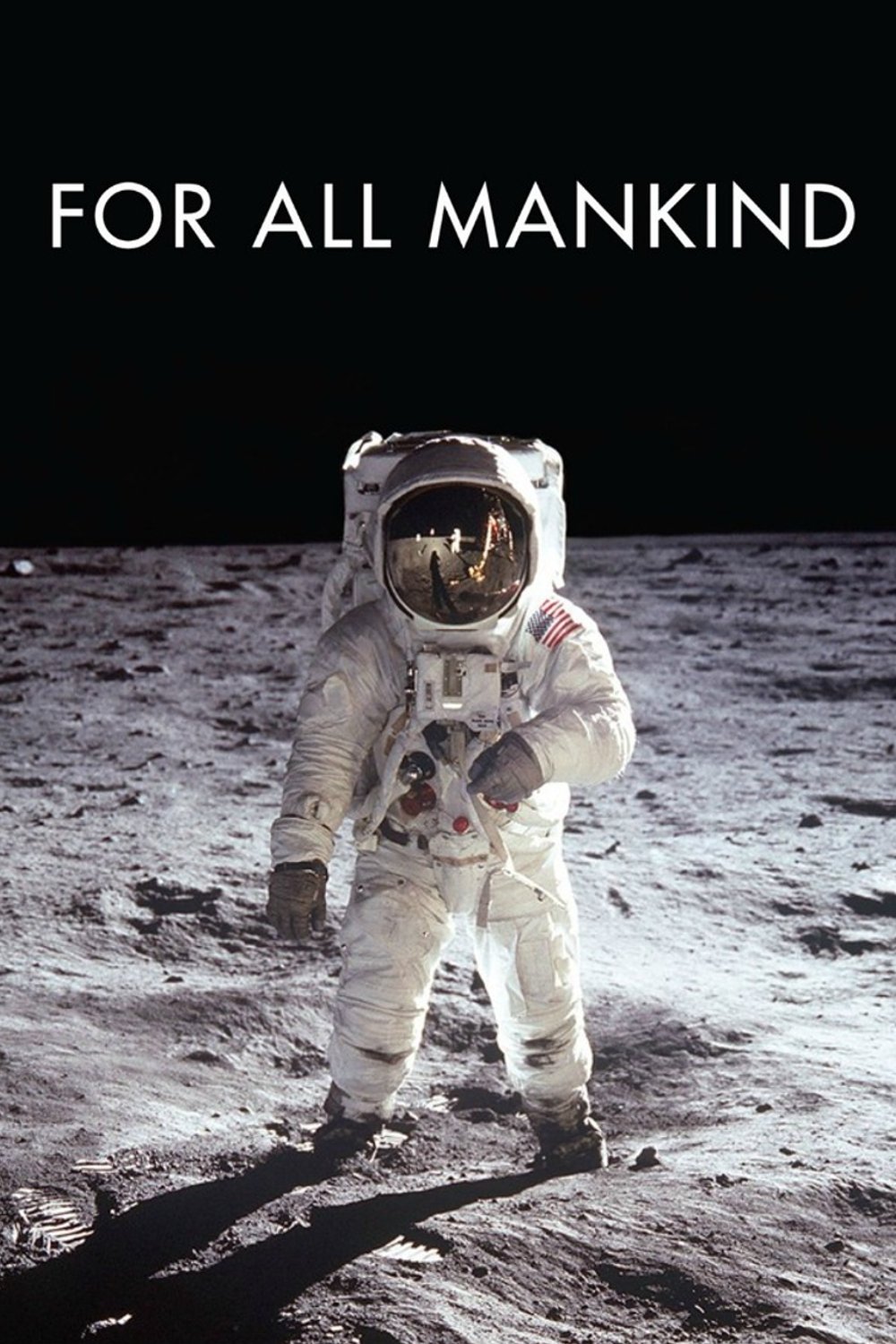
  4. For All Mankind 1989

    Documentary

    A testament to NASA's Apollo program of the 1960s and '70s. Composed of actual NASA footage of the missions and astronaut interviews, the documentary offers the viewpoint of the individuals who braved the remarkable journey to the moon and back.

    The sides of For All Mankind

    • NASA footage of the Apollo missions
    • Astronauts remembering in their own voices
    • A Brian Eno score

    Good for you if

    • you like the trip to the Moon told by the astronauts who made it.
    • you like seeing Earth from the Moon in real footage.
    • you like Brian Eno's ambient music over space images.

    Bad for you if

    • you need more drama than a calm, floating journey.
    • you find 1960s footage dated.

    About: exploration · awe · history
    Explora sus caras
  5. Nanook of the North 1922

    Documentary

    This pioneering documentary film depicts the lives of the indigenous Inuit people of Canada's northern Quebec region. Although the production contains some fictional elements, it vividly shows how its resourceful subjects survive in such a harsh climate, revealing how they construct their igloo homes and find food by hunting and fishing. The film also captures the beautiful, if unforgiving, frozen landscape of the Great White North, far removed from conventional civilization.

    The sides of Nanook of the North

    • An Inuit hunter and his family in northern Quebec
    • An igloo built by hand
    • A walrus hunt with harpoons

    Good for you if

    • you like the frozen landscapes of the far north.
    • you like watching people find food and shelter in deep cold.
    • you're curious about one of the very first documentaries.

    Bad for you if

    • you don't watch silent black and white films.
    • you need momentum. Whole minutes go to cutting snow blocks for an igloo.

    About: survival · family · the Arctic

    Explora sus caras
  6. In this wildly entertaining vision of one of the twentieth century’s greatest artists, Bob Dylan is surrounded by teen fans, gets into heated philosophical jousts with journalists, and kicks back with fellow musicians Joan Baez, Donovan, and Alan Price.

    The sides of Bob Dylan – Don't Look Back

    • Bob Dylan on tour in England in 1965
    • Cue cards dropped one by one
    • Joan Baez and Donovan in hotel rooms

    Good for you if

    • you want young Dylan playing alone with a guitar and a harmonica.
    • you like a black and white film shot on the fly.
    • you can't look away from Dylan sparring with journalists.

    Bad for you if

    • you need a story that moves, not a camera that just follows.
    • you want an artist who opens up, not one who mocks every question.

    About: fame · youth · the press

    Explora sus caras
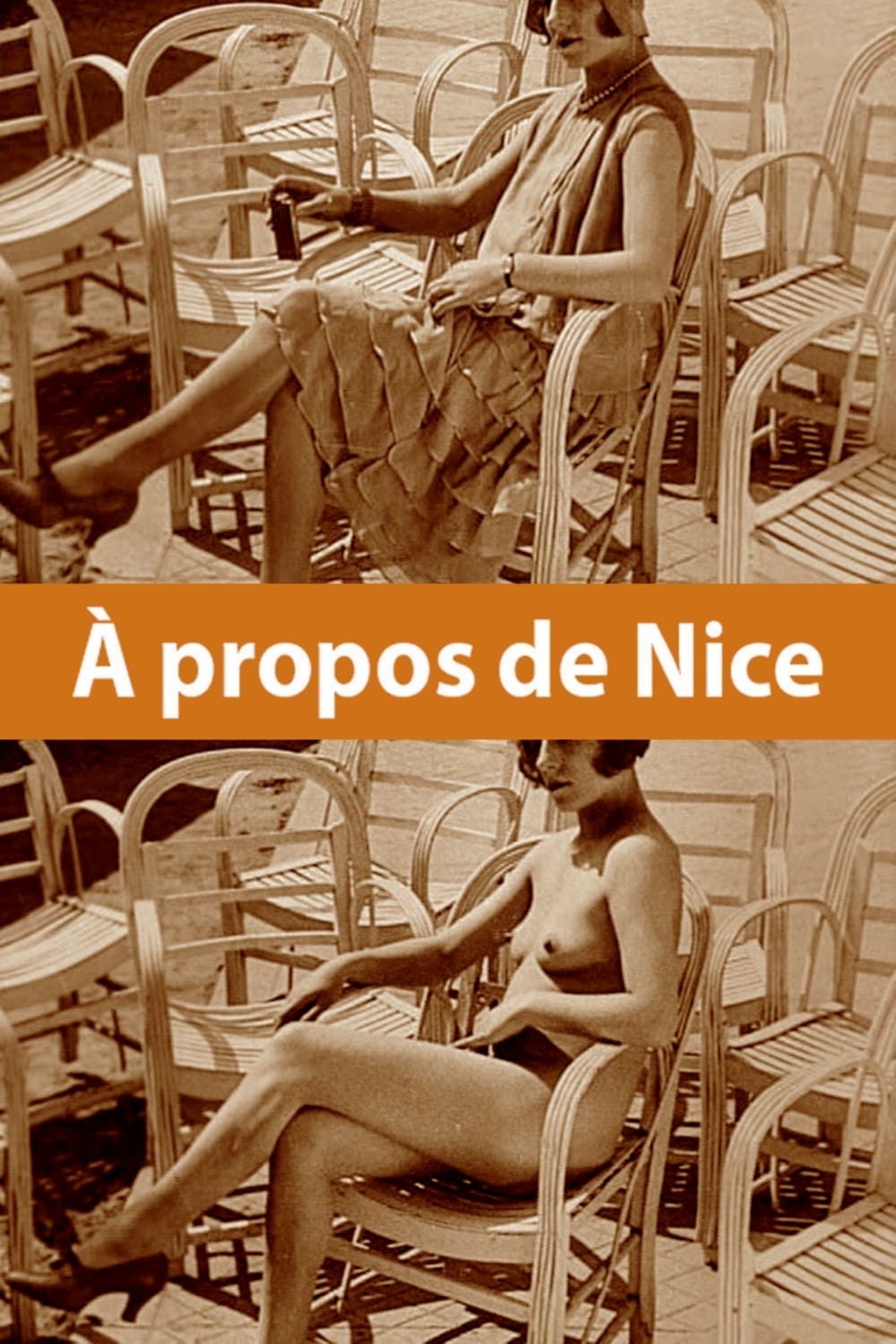
  7. À propos de Nice 1930

    Documentary

    What starts off as a conventional travelogue turns into a satirical portrait of the town of Nice on the French Côte d'Azur, especially its wealthy inhabitants.

    The sides of À propos de Nice

    • A silent portrait of Nice in 1930
    • Wealthy tourists on the Promenade
    • The poor streets behind the postcards

    Good for you if

    • you love silent films from 1930.
    • you like Jean Vigo's quick, mocking montage.
    • you want something under half an hour.

    Bad for you if

    • you're put off by avant-garde cutting. Vigo jumps from carnival floats to cemetery statues.
    • you want a person to follow, not a portrait of a town.

    About: wealth · class · the city
    Explora sus caras
  8. The Artist 2011

    Film

    Hollywood, 1927: As silent movie star George Valentin wonders if the arrival of talking pictures will cause him to fade into oblivion, he sparks with Peppy Miller, a young dancer set for a big break.

    The sides of The Artist

    • A silent film star left behind by sound
    • A young dancer on her way up
    • A terrier who saves the day

    Good for you if

    • you love the black and white charm of 1920s Hollywood.
    • you like Jean Dujardin saying everything with his face.
    • you like a score that does all the talking.

    Bad for you if

    • you need spoken dialogue to stay with a film.
    • you roll your eyes at a sweet, sentimental ending.

    About: pride · change · fame

    Explora sus caras
  9. Andrew Dominik's One More Time With Feeling is a remarkable black and white documentary which chronicles the creation of Nick Cave & The Bad Seeds' album Skeleton Tree. Originally a performance based concept, the film evolved into something much more significant as Dominik delved into the tragic backdrop of the writing and recording of the album. The result is stark, fragile and raw, and a true testament to an artist trying to find his way through the darkness. It documents the writing, recording and performing of Nick Cave & the Bad Seeds’ sixteenth studio album, Skeleton Tree.

    The sides of One More Time with Feeling

    • Nick Cave recording an album after losing his son
    • A studio filmed in black and white
    • A family living with grief

    Good for you if

    • you like watching songs take shape in the studio.
    • you like a film that sits quietly with real grief.
    • you like stark black and white images.

    Bad for you if

    • a parent's grief is too much for you.
    • you need some hope by the end.

    About: grief · creation · fatherhood

    Explora sus caras
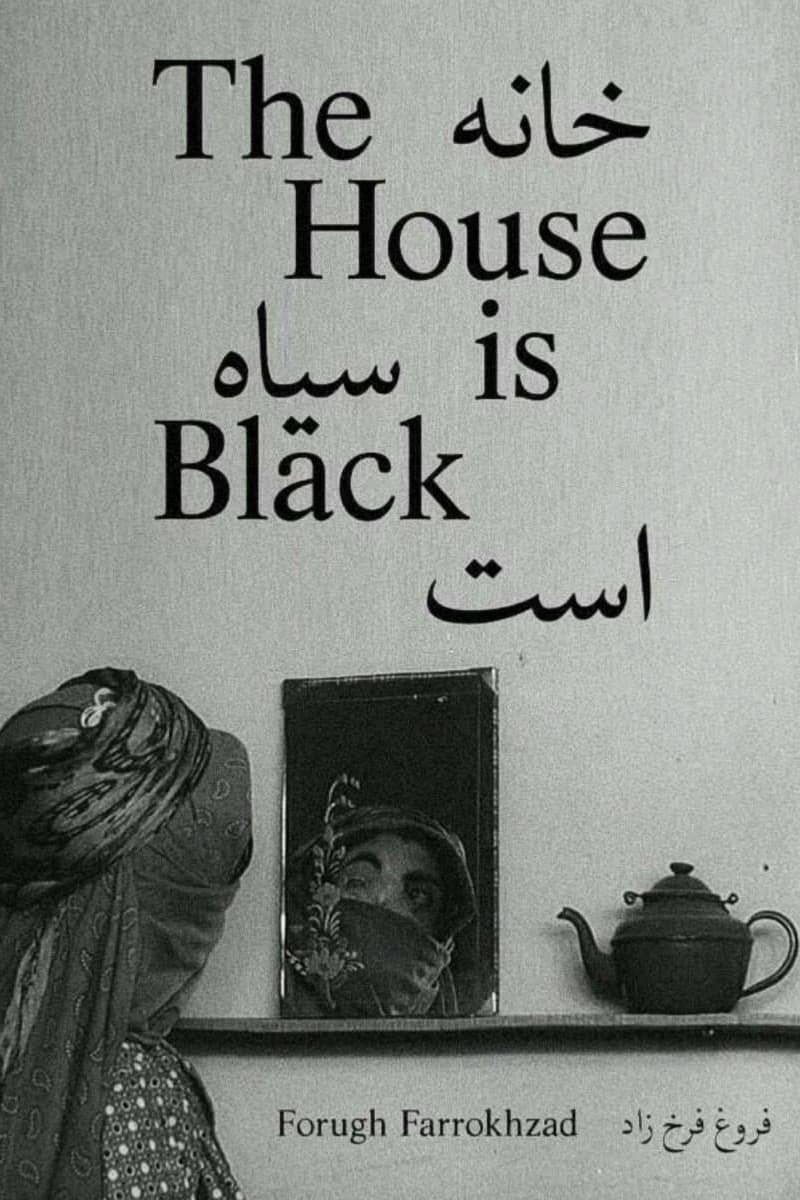
  10. The House Is Black 1963

    Documentary

    Set in a leper colony in the north of Iran, The House is Black juxtaposes "ugliness," of which there is much in the world as stated in the opening scenes, with religion and gratitude.

    The sides of The House Is Black

    • A leper colony in northern Iran
    • Poetry read over the images
    • Children at school in the colony

    Good for you if

    • you like black and white images that stay with you.
    • you have twenty minutes, not two hours.
    • you want to see real lives most people never look at.

    Bad for you if

    • you'd rather not see illness and disfigurement up close.
    • you find black and white films from the sixties dated.
    • you won't read subtitles over Persian poetry.

    About: suffering · faith · dignity
    Explora sus caras
  11. Dark Days 2000

    Documentary

    A cinematic portrait of the homeless population who live permanently in the underground tunnels of New York City.

    The sides of Dark Days

    • People living in the train tunnels under New York
    • Shacks built in the dark beside the tracks
    • A crew made up of the tunnel residents

    Good for you if

    • you want to see how people really lived under Manhattan.
    • you like hearing people tell their own lives with humour and honesty.
    • you like a DJ Shadow score under grainy images.

    Bad for you if

    • you can't watch addiction and poverty up close.
    • you find grainy black and white footage hard to watch.

    About: homelessness · dignity · community

    Explora sus caras
  12. A chronicle of Bob Dylan's strange evolution between 1961 and 1966 from folk singer to protest singer to "voice of a generation" to rock star.

    The sides of No Direction Home: Bob Dylan

    • Bob Dylan from 1961 to 1966
    • Greenwich Village folk clubs
    • Fans booing when he goes electric

    Good for you if

    • you want to hear Dylan's songs as they were first played.
    • you like the sixties, from the folk scene to the protest years.
    • you like a life story told by the people who were there.

    Bad for you if

    • three and a half hours is too much for you.
    • you find black and white footage from the sixties dated.

    About: reinvention · fame · the voice of a generation

    Explora sus caras
  13. The Last Waltz 1978

    Documentary

    Martin Scorsese's documentary intertwines footage from The Band's incredible farewell tour with probing backstage interviews and featured performances by Bob Dylan, Joni Mitchell, Van Morrison, Eric Clapton, and other rock legends.

    The sides of The Last Waltz

    • The Band's farewell concert in San Francisco
    • Bob Dylan, Joni Mitchell and Van Morrison on one stage
    • Backstage interviews filmed by Martin Scorsese

    Good for you if

    • you like a whole concert of 1970s rock filmed up close.
    • you like a concert shot on film by Martin Scorsese, every stage light composed.
    • you like the end of an era captured on a single night.

    Bad for you if

    • you can't get into music films from the 1970s.
    • you want the people behind the music more than the music itself.

    About: farewell · the road · rock history

    Explora sus caras
  14. Titicut Follies 1967

    Documentary

    Employing methods of direct cinema–observation, limited stylization, and non-intervention–this stark look into the State Prison for the Criminally Insane in Bridgewater, Massachusetts shows its denizens, who were often kept in barren cells and infrequently bathed, forced to strip naked publicly, force feeding, and the indifference and bullying by many of the hospital's staff.

    The sides of Titicut Follies

    • Bridgewater State Hospital in 1967
    • Patients and guards with no narration
    • A variety show put on by staff and inmates

    Good for you if

    • you want to see a real prison hospital with no narrator telling you what to think.
    • you like raw black and white footage from the 1960s.
    • you want to see what total power over patients looks like.

    Bad for you if

    • you can't watch patients stripped, mocked and force fed.
    • you need some hope by the end.

    About: confinement · dignity · cruelty

    Explora sus caras
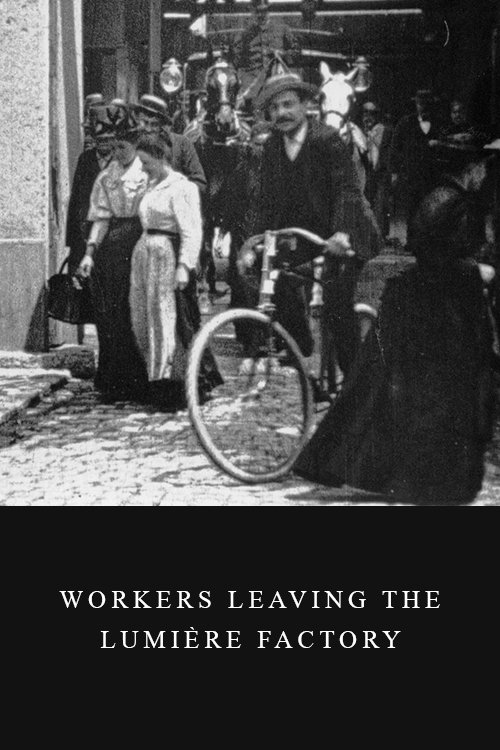
  15. “The workers leave the Lumière factory.” Workers pass through the gate of the Lumière factory and are followed by a carriage drawn by two horses.

    The sides of Workers Leaving the Lumière Factory

    • Workers walking out of a factory gate in Lyon
    • A horse-drawn carriage
    • Less than a minute of film

    Good for you if

    • you want to see one of the very first films ever shown.
    • you like seeing ordinary people from 1895 walk past the camera.

    Bad for you if

    • you want people with a story to follow.
    • you want a film for the evening. This one lasts under a minute.

    About: early cinema · work · everyday life
    Explora sus caras
  16. The Beatles: Get Back 2021

    Documentary

    The three-part documentary series, compiled from over 60 hours of unseen footage, captures the warmth, camaraderie, and creative genius that defined the legacy of music's most iconic foursome. The series also includes – for the first time in its entirety – The Beatles' final performance at London's Savile Row.

    The sides of The Beatles: Get Back

    • The Beatles writing songs in a studio
    • Unseen footage from January 1969
    • The rooftop concert in full

    Good for you if

    • you like watching songs like Get Back take shape from nothing.
    • you like long sessions where almost nothing happens and then a song appears.
    • you want to see the four of them joke, argue and work together.

    Bad for you if

    • nearly eight hours of rehearsals is too much for you.
    • you find 1969 footage dated, even restored.

    About: creation · friendship · the end of a band

    Explora sus caras
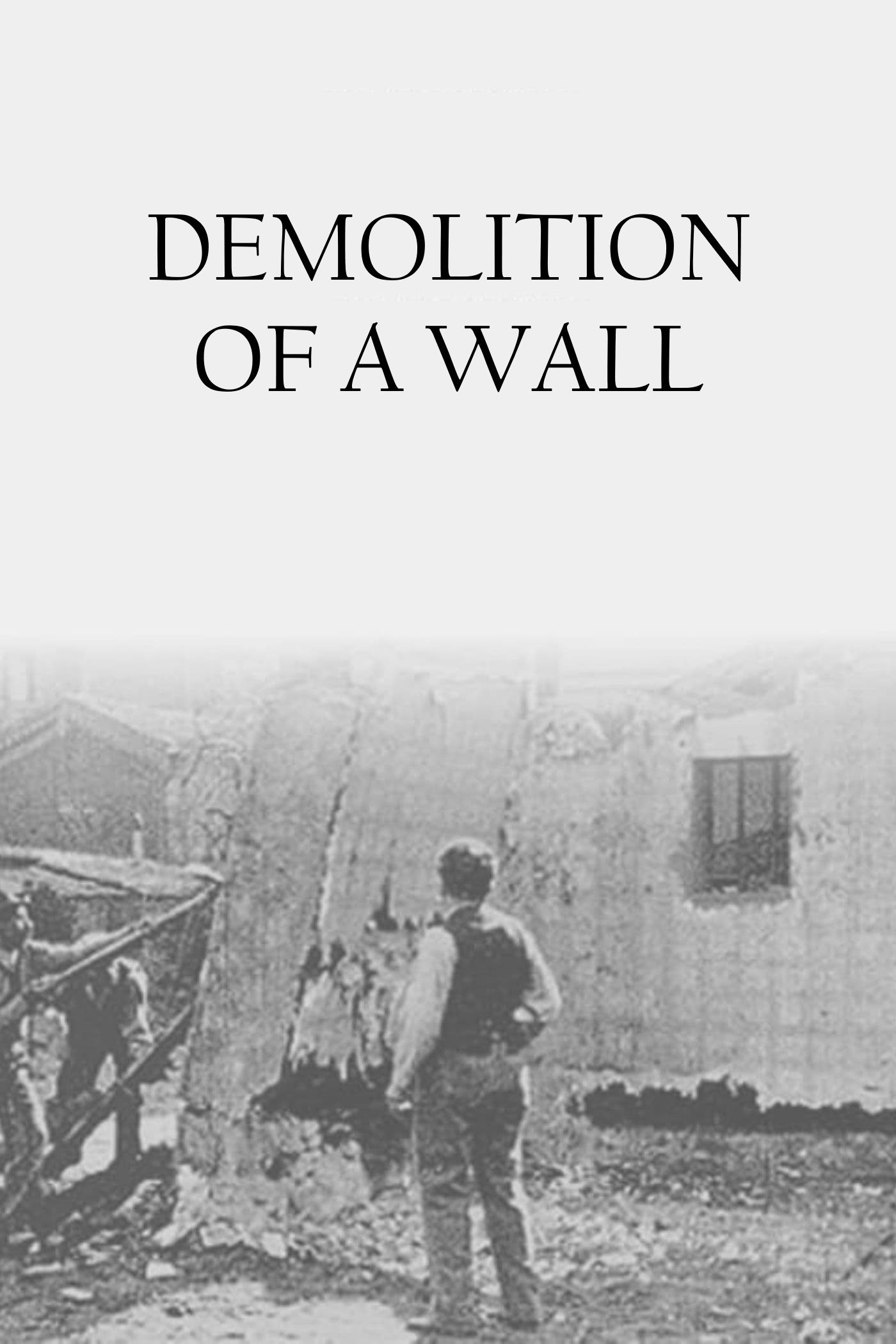
  17. Demolition of a Wall 1896

    Documentary

    “The scene depicts the collapse of a section of wall in a factory.” Three workers demolish a wall in the presence of Auguste Lumière.

    The sides of Demolition of a Wall

    • Three workers knocking down a factory wall
    • Auguste Lumière watching them
    • One minute of 1896

    Good for you if

    • you like the very first films ever shown.
    • you want to see ordinary work in 1896, filmed by the Lumières.

    Bad for you if

    • you need a story and people to follow.
    • you want words, and this is one silent minute.

    About: early cinema · work · time
    Explora sus caras
  18. Let It Be 1970

    Documentary

    A documentary chronicling the Beatles' rehearsal sessions in January 1969 for their proposed "back to basics" album, "Get Back," later re-envisioned and released as "Let It Be."

    The sides of Let It Be

    • The Beatles rehearsing in January 1969
    • A tense exchange between Paul and George
    • The concert on the rooftop

    Good for you if

    • you want to watch the Beatles build songs from scratch.
    • you like seeing a famous band at work, without a narrator.
    • you like the grain and the look of a 1970 film.

    Bad for you if

    • you need momentum. Much of it is long, unhurried rehearsals in a film studio.
    • you'd rather not watch a band you love grow tired of each other.

    About: creation · a band drifting apart · the end of an era

    Explora sus caras
  19. The Velvet Underground 2021

    Documentary

    Experience the iconic rock band's legacy in the first major documentary to tell their story. Directed with the era’s avant-garde spirit by Todd Haynes, this kaleidoscopic oral history combines exclusive interviews with dazzling archival footage.

    The sides of The Velvet Underground

    • Lou Reed, John Cale and the birth of a band
    • Andy Warhol's Factory in 1960s New York
    • Split screens full of archive footage

    Good for you if

    • you love the drone and noise of the Velvet Underground.
    • you like Todd Haynes cutting archive footage into split screens.
    • you want to be dropped into the New York avant-garde of the sixties.

    Bad for you if

    • you can't stand experimental films and art-school strangeness.
    • you find two hours of interviews and archives too much.

    About: art · rebellion · New York

    Explora sus caras
  20. Chronicle of a Summer 1961

    Documentary

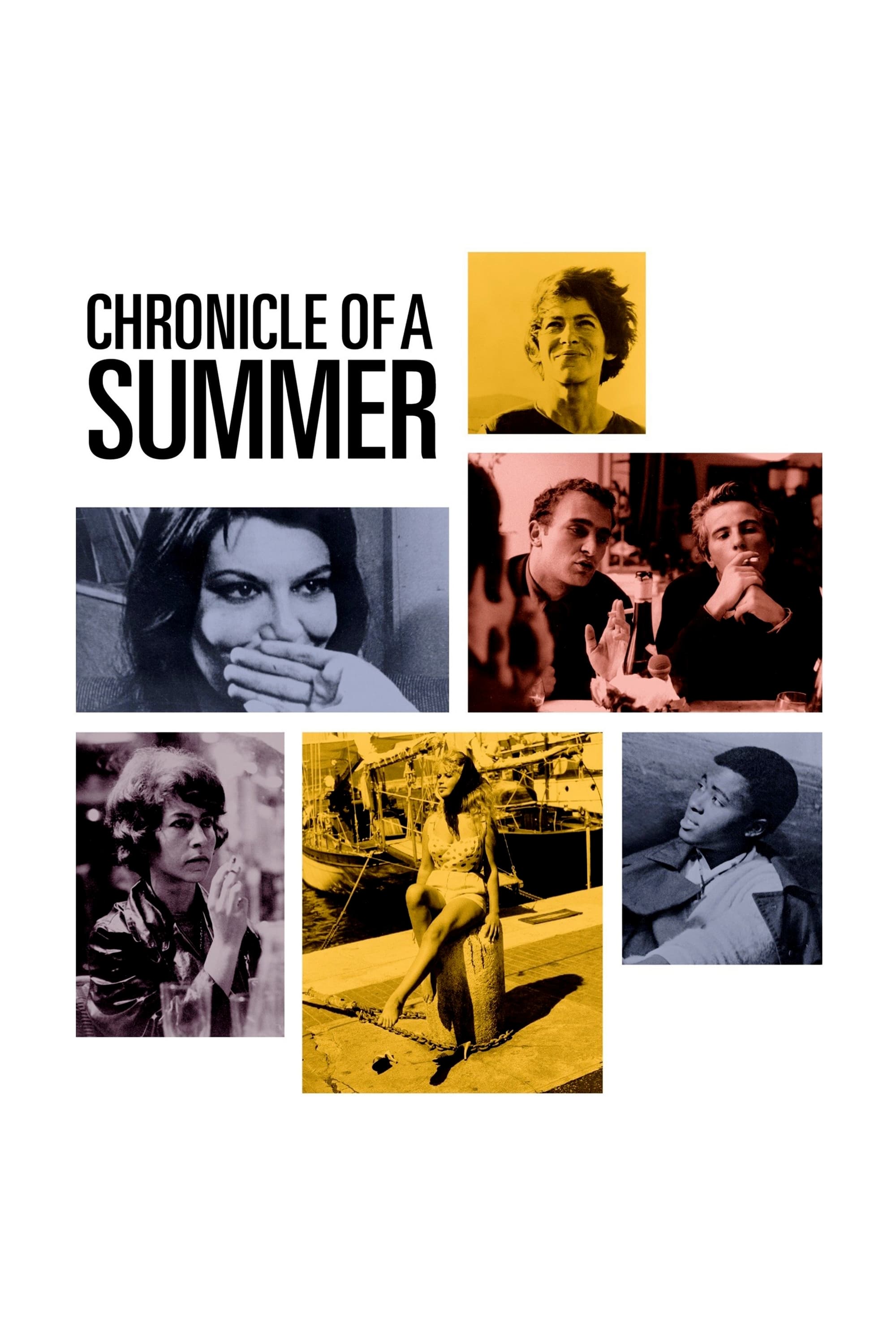
    Paris, summer 1960. Anthropologist and filmmaker Jean Rouch and sociologist and film critic Edgar Morin wander through the crowded streets asking passersby how they cope with life's misfortunes.

    The sides of Chronicle of a Summer

    • Passersby in Paris asked if they are happy
    • Workers, students and friends talking about their lives
    • Paris and Saint-Tropez in the summer of 1960

    Good for you if

    • you like black and white films that invented a way of filming.
    • you like long, honest conversations with ordinary people.
    • you want to feel France in 1960, with the Algerian war in the background.

    Bad for you if

    • you won't read subtitles.
    • you need momentum more than long conversations.

    About: happiness · work · friendship · the human condition

    Explora sus caras