¿Qué quieres ver esta noche?
Cada título dice para quién es bueno y para quién no. Toca lo que quieres esta noche, o di que no a uno y por qué.
Lo más cercano a Day of the Fight primero
Toro salvaje 1980
Película
Jake la Motta es un joven boxeador que se entrena duramente, ayudado por su hermano Joey, para convertirse en el número uno de los pesos medios. Pronto consigue ver hecho realidad tan ansiado sueño, pero el triunfo y el éxito convierten su vida en una pesadilla. Por un lado, su matrimonio cada vez marcha peor debido a sus salidas nocturnas con otras mujeres; por otro, la mafia le presiona para que amañe combates. En poco tiempo gasta todo el capital del que dispone, para volver nuevamente a pasar todo tipo de penurias.
Las caras de Toro salvaje
- El ascenso y la caída del boxeador Jake LaMotta
- Un marido celoso que golpea a su familia
- Combates filmados en blanco y negro
Buena para ti si
- te gusta ver a Robert De Niro transformarse en boxeador y luego en un despojo.
- te gustan las escenas de boxeo que te meten en el ring.
- puedes con el retrato de un hombre que destruye todo a su alrededor.
Mala para ti si
- no soportas la sangre en las cuerdas ni las narices rotas.
- no puedes ver violencia doméstica en pantalla.
Temas: los celos · la autodestrucción · los hermanos
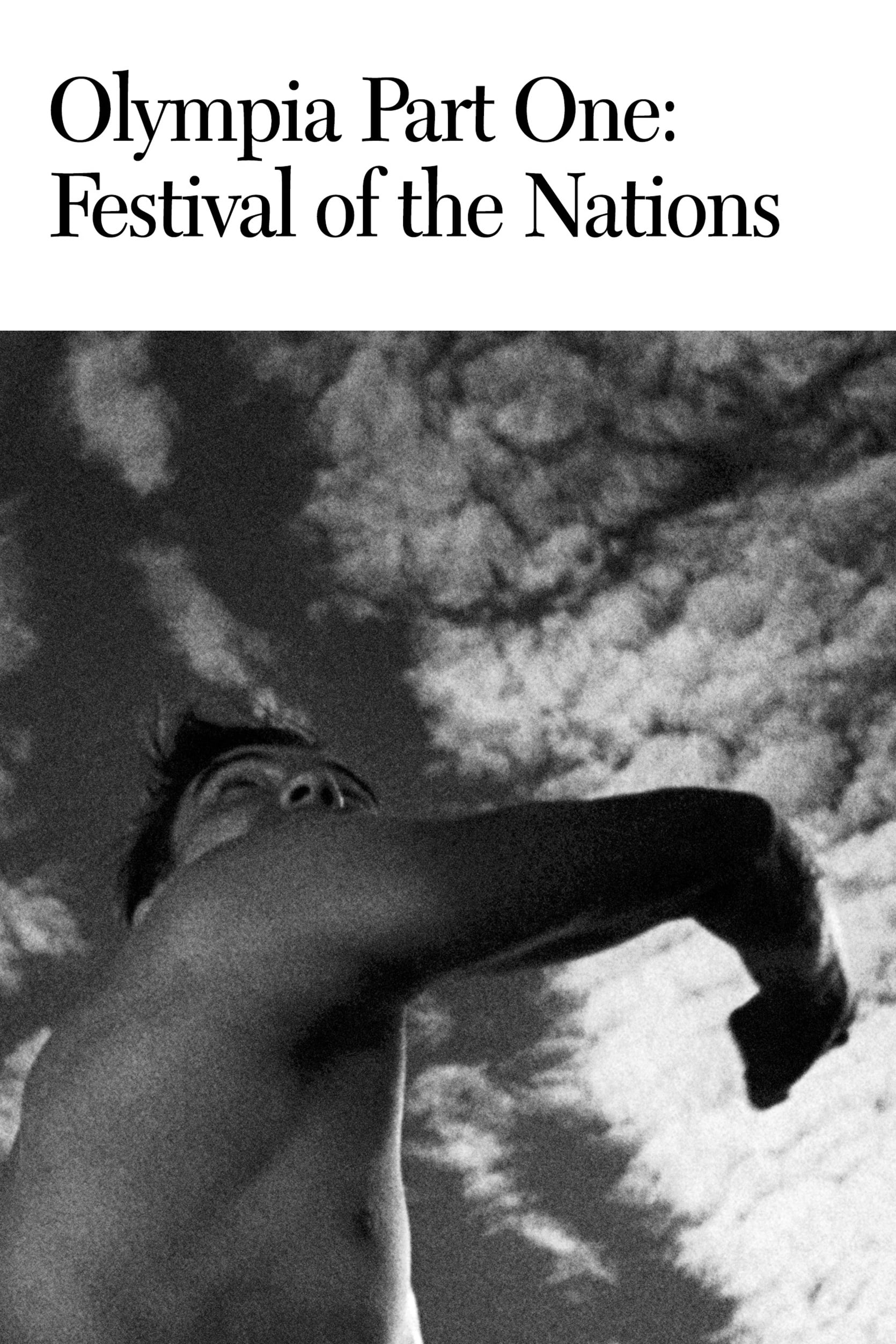
Olympia Part One: Festival of the Nations 1938
Documentary
Starting with a long and lyrical overture, evoking the origins of the Olympic Games in ancient Greece, Riefenstahl covers twenty-one athletic events in the first half of this two-part love letter to the human body and spirit, culminating with the marathon, where Jesse Owens became the first track and field athlete to win four gold medals in a single Olympics.
The sides of Olympia Part One: Festival of the Nations
- The 1936 Berlin Olympics
- Jesse Owens winning four gold medals
- A film made for the Nazi regime
Good for you if
- you like Leni Riefenstahl's camera angles that shaped how sport is filmed.
- you like watching athletes in motion, event after event.
- you want to see how the Nazi regime staged the 1936 Games.
Bad for you if
- you find black and white films from the 1930s dated.
- you won't read subtitles for German narration.
About: propaganda · the body · competition
Salesman 1969
Documentary
This documentary from Albert and David Maysles follows the bitter rivalry of four door-to-door salesmen working for the Mid-American Bible Company: Paul "The Badger" Brennan, Charles "The Gipper" McDevitt, James "The Rabbit" Baker and Raymond "The Bull" Martos. Times are tough for this hard-living quartet, who spend their days traveling through small-town America, trying their best to peddle gold-leaf Bibles to an apathetic crowd of lower-middle-class housewives and elderly couples.
The sides of Salesman
- Four Bible salesmen on the road
- Sales pitches in working-class living rooms
- Motel rooms between visits
Good for you if
- you like watching real door-to-door salesmen at work in 1960s America.
- you like following Paul Brennan as his pitch stops working.
- you enjoy black and white documentaries from the sixties.
Bad for you if
- you need more happening than sales pitches in living rooms.
- you need music to carry a film. There's no score and no narrator, just the salesmen talking.
About: work · failure · the American dream
Tyson 2008
Documentary
Director James Toback takes an unflinching, uncompromising look at the life of Mike Tyson--almost solely from the perspective of the man himself. TYSON alternates between the controversial boxer addressing the camera and shots of the champion's fights to create an arresting picture of the man.
The sides of Tyson
- Mike Tyson talking straight to camera
- Fight footage from his career
- A childhood in Brooklyn
Good for you if
- you want to understand Tyson without being told to forgive him.
- you like boxing and want to see Tyson in the ring.
- you want Tyson's life told in his own words.
Bad for you if
- you can't sit through talk of abuse, prison and a rape conviction.
- you can't watch knockouts and blows to the head.
About: fear · fame · self-destruction
When We Were Kings 1996
Documentary
It's 1974. Muhammad Ali is 32 and thought by many to be past his prime. George Foreman is ten years younger and the heavyweight champion of the world. Promoter Don King wants to make a name for himself and offers both fighters five million dollars apiece to fight one another, and when they accept, King has only to come up with the money. He finds a willing backer in Mobutu Sese Suko, the dictator of Zaire, and the "Rumble in the Jungle" is set, including a musical festival featuring some of America's top black performers, like James Brown and B.B. King.
The sides of When We Were Kings
- Muhammad Ali against George Foreman in Zaire
- A music festival with James Brown and B.B. King
- Don King and a dictator's money
Good for you if
- you like the Rumble in the Jungle and Ali's rope-a-dope.
- you like Muhammad Ali talking, joking and believing he can win.
- you like soul and African music filling a documentary.
Bad for you if
- you can't watch men punching each other.
- you find 1970s archive footage dated.
About: pride · black identity · comeback
Dark Days 2000
Documentary
A cinematic portrait of the homeless population who live permanently in the underground tunnels of New York City.
The sides of Dark Days
- People living in the train tunnels under New York
- Shacks built in the dark beside the tracks
- A crew made up of the tunnel residents
Good for you if
- you want to see how people really lived under Manhattan.
- you like hearing people tell their own lives with humour and honesty.
- you like a DJ Shadow score under grainy images.
Bad for you if
- you can't watch addiction and poverty up close.
- you find grainy black and white footage hard to watch.
About: homelessness · dignity · community
Titicut Follies 1967
Documentary
Employing methods of direct cinema–observation, limited stylization, and non-intervention–this stark look into the State Prison for the Criminally Insane in Bridgewater, Massachusetts shows its denizens, who were often kept in barren cells and infrequently bathed, forced to strip naked publicly, force feeding, and the indifference and bullying by many of the hospital's staff.
The sides of Titicut Follies
- Bridgewater State Hospital in 1967
- Patients and guards with no narration
- A variety show put on by staff and inmates
Good for you if
- you want to see a real prison hospital with no narrator telling you what to think.
- you like raw black and white footage from the 1960s.
- you want to see what total power over patients looks like.
Bad for you if
- you can't watch patients stripped, mocked and force fed.
- you need some hope by the end.
About: confinement · dignity · cruelty
Time 2020
Documentary
Fox Rich, indomitable matriarch and modern-day abolitionist, strives to keep her family together while fighting for the release of her incarcerated husband. An intimate, epic, and unconventional love story, filmed over two decades.
The sides of Time
- A wife fighting for her husband's release
- Home videos filmed over two decades
- Six sons growing up without their father at home
Good for you if
- you want a true story about a family and the prison system.
- you like Fox Rich holding her family together for twenty years.
- you like black and white images that make home videos feel like memory.
Bad for you if
- you need momentum more than a patient portrait.
- you find black and white hard to sit through.
About: waiting · love · justice
Bobby Fischer Against the World 2011
Documentary
The first documentary feature to explore the tragic and bizarre life of the late chess master Bobby Fischer.
The sides of Bobby Fischer Against the World
- A Brooklyn chess prodigy
- The 1972 match against Spassky in Reykjavik
- A champion who vanishes into paranoia
Good for you if
- you like the true story of a genius who never fit in.
- you like the Cold War played out on a chessboard.
- you're drawn to an obsessive mind, brilliant and troubled.
Bad for you if
- you can't bear to watch a man's mental decline.
- you need more movement than archive footage of chess games.
About: obsession · genius · isolation
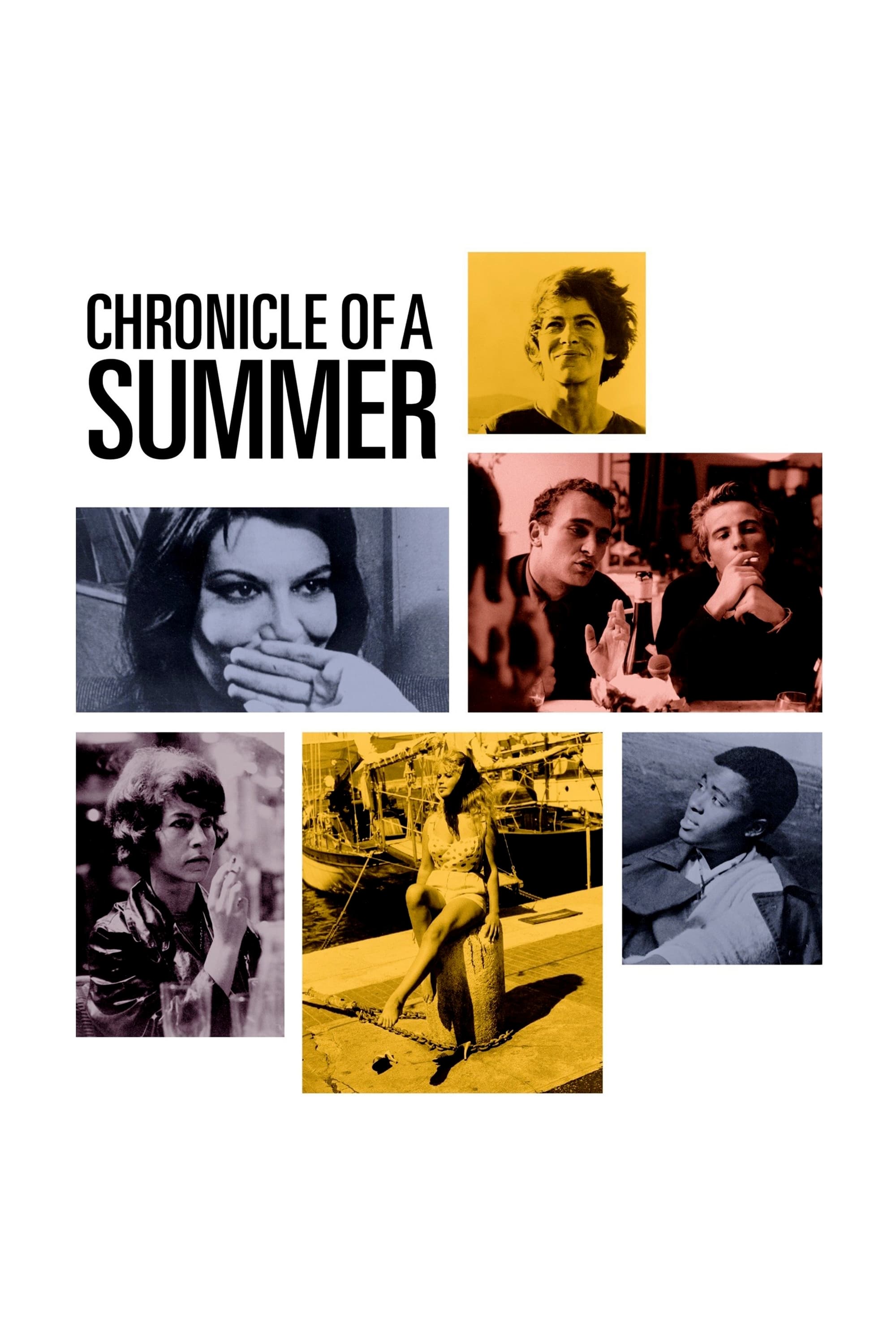
Chronicle of a Summer 1961
Documentary
Paris, summer 1960. Anthropologist and filmmaker Jean Rouch and sociologist and film critic Edgar Morin wander through the crowded streets asking passersby how they cope with life's misfortunes.
The sides of Chronicle of a Summer
- Passersby in Paris asked if they are happy
- Workers, students and friends talking about their lives
- Paris and Saint-Tropez in the summer of 1960
Good for you if
- you like black and white films that invented a way of filming.
- you like long, honest conversations with ordinary people.
- you want to feel France in 1960, with the Algerian war in the background.
Bad for you if
- you won't read subtitles.
- you need momentum more than long conversations.
About: happiness · work · friendship · the human condition
Pumping Iron 1977
Documentary
Amateur and professional bodybuilders prepare for the 1975 Mr. Olympia and Mr. Universe contests as five-time champion Arnold Schwarzenegger defends his Mr. Olympia title against Serge Nubret and the shy young Lou Ferrigno.
The sides of Pumping Iron
- Arnold Schwarzenegger chasing a sixth Mr. Olympia
- The shy young Lou Ferrigno
- Gyms and contests in 1975
Good for you if
- you like the training and rivalry behind a bodybuilding title.
- you want to see Schwarzenegger before Hollywood.
- you can't look away from young Arnold's charm and mind games.
Bad for you if
- a grainy 1977 documentary feels dated to you.
- you can't root for a champion who boasts he skipped his father's funeral to train.
About: ambition · rivalry · the body
Formula 1: Drive to Survive 2019
Documentary
Drivers, managers and team owners live life in the fast lane — both on and off the track — during each cutthroat season of Formula 1 racing.
The sides of Formula 1: Drive to Survive
- Ten Formula 1 teams over a whole season
- Drivers and team bosses talking off the track
- Crashes, rivalries and contract fights
Good for you if
- you like the speed of Formula 1 and the politics around it.
- you like getting behind the garage doors and listening to the team radios of a real championship.
- you care more about the drivers and bosses than about the cars.
Bad for you if
- eight seasons of one sport is too much for you.
- you lose track with a big cast. Ten teams and twenty drivers take turns at the centre.
About: ambition · rivalry · pressure
Grey Gardens 1976
Documentary
Edie Bouvier Beale and her mother, Edith, two aging, eccentric relatives of Jackie Kennedy Onassis, are the sole inhabitants of a Long Island estate. The women reveal themselves to be misfits with outsized, engaging personalities. Much of the conversation is centered on their pasts, as mother and daughter now rarely leave home.
The sides of Grey Gardens
- A mother and daughter in a decaying mansion
- Little Edie's improvised outfits and songs
- Cats and raccoons in the house
Good for you if
- you like spending time with Big Edie and Little Edie as they are.
- you like a mother and daughter who bicker and can't leave each other.
- you like a strange, closed world on a Long Island estate.
Bad for you if
- you need a story that goes somewhere.
- you find 1970s handheld footage dated.
About: mother and daughter · solitude · the past
Bob Dylan – Don't Look Back 1967
Documentary
In this wildly entertaining vision of one of the twentieth century’s greatest artists, Bob Dylan is surrounded by teen fans, gets into heated philosophical jousts with journalists, and kicks back with fellow musicians Joan Baez, Donovan, and Alan Price.
The sides of Bob Dylan – Don't Look Back
- Bob Dylan on tour in England in 1965
- Cue cards dropped one by one
- Joan Baez and Donovan in hotel rooms
Good for you if
- you want young Dylan playing alone with a guitar and a harmonica.
- you like a black and white film shot on the fly.
- you can't look away from Dylan sparring with journalists.
Bad for you if
- you need a story that moves, not a camera that just follows.
- you want an artist who opens up, not one who mocks every question.
About: fame · youth · the press
Team Foxcatcher 2016
Documentary
With never-before seen home video, this film recounts the paranoid downward spiral of John E. du Pont and the murder of Olympic wrestler Dave Schultz.
The sides of Team Foxcatcher
- John du Pont's wrestling team on his estate
- Home video from the Foxcatcher farm
- The murder of wrestler Dave Schultz
Good for you if
- you want the real people behind Foxcatcher, seen in their own home videos.
- you want to understand how John du Pont came to kill Dave Schultz.
- you like the world of Olympic wrestling.
Bad for you if
- you'd rather not watch a family lose a husband and father to murder.
- you need some hope at the end of a film.
About: paranoia · wealth · grief
Spellbound 2002
Documentary
This documentary follows 8 teens and pre-teens as they work their way toward the finals of the Scripps Howard national spelling bee championship in Washington D.C.
The sides of Spellbound
- Eight kids heading for the national spelling bee
- Parents and coaches drilling word lists
- A final round in Washington
Good for you if
- you hold your breath over one letter in a hard word.
- you want kids you root for, from very different homes.
- you like real kids and their real families, followed all the way to the national final.
Bad for you if
- you need more happening than children spelling words.
- you roll your eyes at hard work and the American dream.
About: ambition · immigration · childhood
Free Solo 2018
Documentary
Follow Alex Honnold as he attempts to become the first person to ever free solo climb Yosemite's 3,000 foot high El Capitan wall. With no ropes or safety gear, this would arguably be the greatest feat in rock climbing history.
The sides of Free Solo
- A free climb of El Capitan with no rope
- A camera crew afraid to film a fall
- A climber who lives in a van
Good for you if
- you like holding your breath through a climb you already know the end of.
- you want the real Alex Honnold, his doubts, his girlfriend and his training.
- you like the granite wall of Yosemite filmed from every angle.
Bad for you if
- you have no interest in sport. It's two years of training for one climb.
- you need momentum, and the climb only comes after months of preparation.
About: fear · ambition · risk
The Beatles: Get Back 2021
Documentary
The three-part documentary series, compiled from over 60 hours of unseen footage, captures the warmth, camaraderie, and creative genius that defined the legacy of music's most iconic foursome. The series also includes – for the first time in its entirety – The Beatles' final performance at London's Savile Row.
The sides of The Beatles: Get Back
- The Beatles writing songs in a studio
- Unseen footage from January 1969
- The rooftop concert in full
Good for you if
- you like watching songs like Get Back take shape from nothing.
- you like long sessions where almost nothing happens and then a song appears.
- you want to see the four of them joke, argue and work together.
Bad for you if
- nearly eight hours of rehearsals is too much for you.
- you find 1969 footage dated, even restored.
About: creation · friendship · the end of a band
Hoop Dreams 1994
Documentary
Every school day, African-American teenagers William Gates and Arthur Agee travel 90 minutes each way from inner-city Chicago to St. Joseph High School in Westchester, Illinois, a predominately white suburban school well-known for the excellence of its basketball program. Gates and Agee dream of NBA stardom, and with the support of their close-knit families, they battle the social and physical obstacles that stand in their way. This acclaimed documentary was shot over the course of five years.
The sides of Hoop Dreams
- Two Chicago teenagers dreaming of the NBA
- A long daily commute to a suburban basketball school
- Five years of their families' lives
Good for you if
- you like basketball as the dream that holds a family together.
- you want real lives followed over five years, with no script.
- you're moved by parents who sacrifice everything for their sons.
Bad for you if
- nearly three hours is too much for you in one sitting.
- you need a story that moves faster than real life.
About: ambition · poverty · family · race
No Direction Home: Bob Dylan 2005
Documentary
A chronicle of Bob Dylan's strange evolution between 1961 and 1966 from folk singer to protest singer to "voice of a generation" to rock star.
The sides of No Direction Home: Bob Dylan
- Bob Dylan from 1961 to 1966
- Greenwich Village folk clubs
- Fans booing when he goes electric
Good for you if
- you want to hear Dylan's songs as they were first played.
- you like the sixties, from the folk scene to the protest years.
- you like a life story told by the people who were there.
Bad for you if
- three and a half hours is too much for you.
- you find black and white footage from the sixties dated.
About: reinvention · fame · the voice of a generation