¿Qué quieres ver esta noche?
Cada título dice para quién es bueno y para quién no. Toca lo que quieres esta noche, o di que no a uno y por qué.
Lo más cercano a Divers at Work on the Wreck of the "Maine" primero
Man with a Movie Camera 1929
Documentary
A cameraman wanders around with a camera slung over his shoulder, documenting urban life with dazzling inventiveness.
The sides of Man with a Movie Camera
- A cameraman filming Soviet cities in the 1920s
- A day of city life from waking to work to play
- Split screens, slow motion and fast cuts
Good for you if
- you like seeing camera tricks invented before your grandparents were born.
- you like silent black and white film.
- you like the thrill of trams, factories and crowds cut to a rhythm.
Bad for you if
- you need a story and people to follow. There is no plot and no actor.
- you need words. It is silent, with no intertitles.
About: the city · modernity · cinema itself

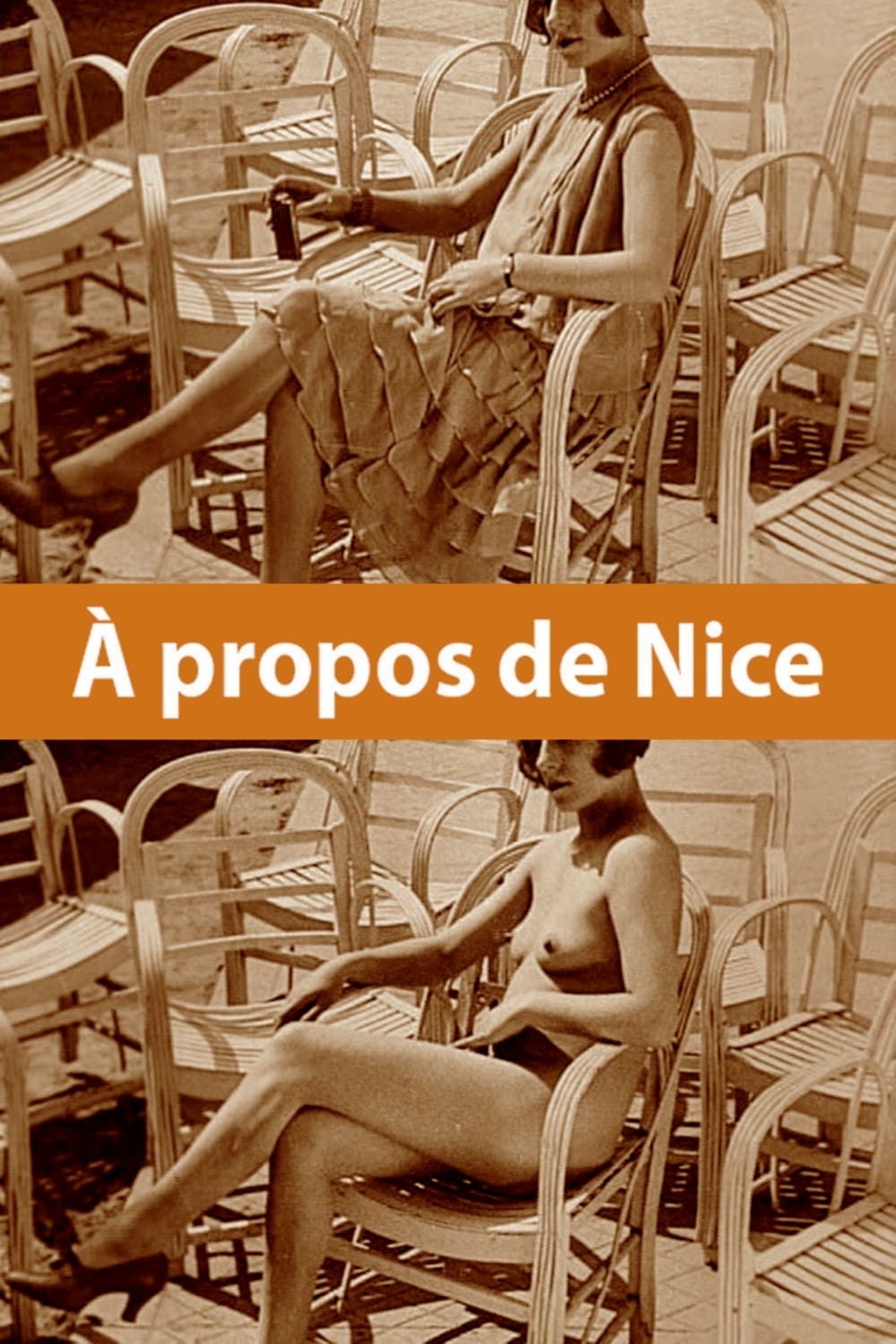
À propos de Nice 1930
Documentary
What starts off as a conventional travelogue turns into a satirical portrait of the town of Nice on the French Côte d'Azur, especially its wealthy inhabitants.
The sides of À propos de Nice
- A silent portrait of Nice in 1930
- Wealthy tourists on the Promenade
- The poor streets behind the postcards
Good for you if
- you love silent films from 1930.
- you like Jean Vigo's quick, mocking montage.
- you want something under half an hour.
Bad for you if
- you're put off by avant-garde cutting. Vigo jumps from carnival floats to cemetery statues.
- you want a person to follow, not a portrait of a town.
About: wealth · class · the city
Nanook of the North 1922
Documentary
This pioneering documentary film depicts the lives of the indigenous Inuit people of Canada's northern Quebec region. Although the production contains some fictional elements, it vividly shows how its resourceful subjects survive in such a harsh climate, revealing how they construct their igloo homes and find food by hunting and fishing. The film also captures the beautiful, if unforgiving, frozen landscape of the Great White North, far removed from conventional civilization.
The sides of Nanook of the North
- An Inuit hunter and his family in northern Quebec
- An igloo built by hand
- A walrus hunt with harpoons
Good for you if
- you like the frozen landscapes of the far north.
- you like watching people find food and shelter in deep cold.
- you're curious about one of the very first documentaries.
Bad for you if
- you don't watch silent black and white films.
- you need momentum. Whole minutes go to cutting snow blocks for an igloo.
About: survival · family · the Arctic

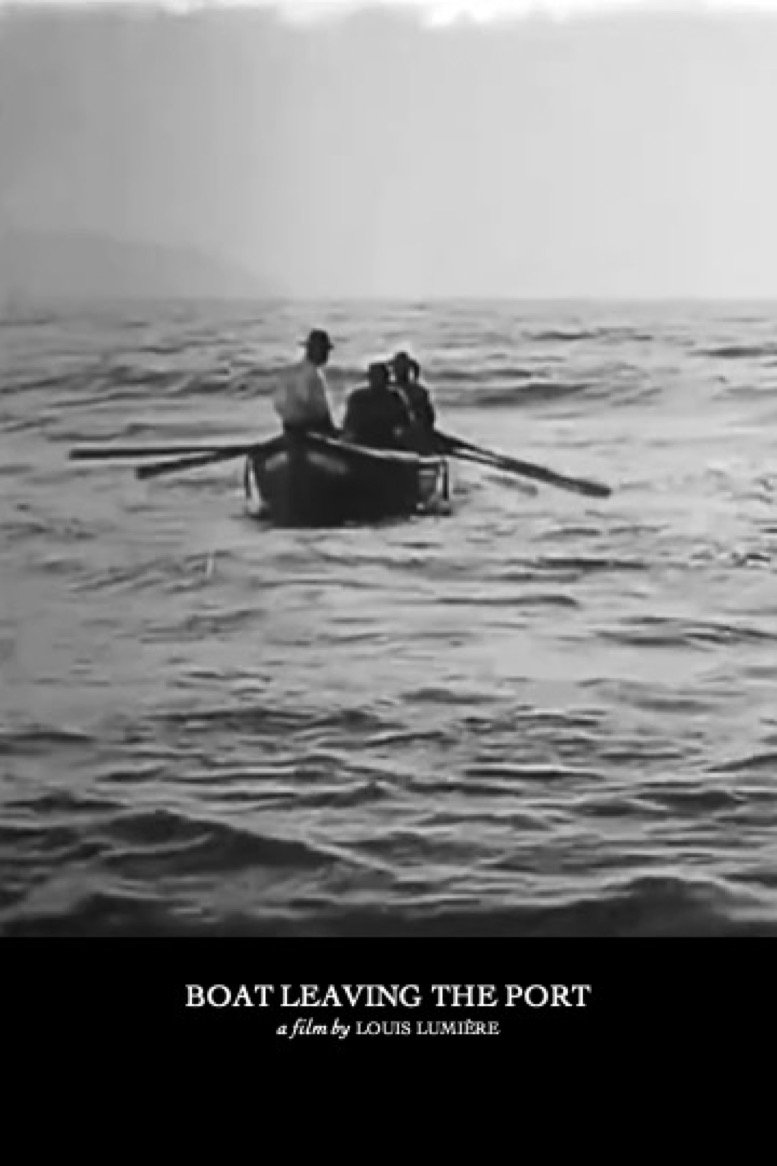
Boat Leaving the Port 1895
Documentary
In very bad weather and a stormy sea, a small boat manned by two men is trying to leave the harbor of La Ciotat, while several people are watching them from the nearby pier.
The sides of Boat Leaving the Port
- A small rowing boat leaving La Ciotat
- Two men against a rough sea
- People watching from the pier
Good for you if
- you love the very first films shot by the Lumière brothers.
- you want to see the harbour of La Ciotat as it was in 1895.
- you want a film that lasts less than a minute.
Bad for you if
- you need people you get to know and a story to follow.
- you need words, and this is one silent minute.
About: the birth of cinema · the sea · everyday life
Häxan 1922
Documentary
Grave robbing, torture, possessed nuns, and a satanic Sabbath: Benjamin Christensen's legendary film uses a series of dramatic vignettes to explore the scientific hypothesis that the witches of the Middle Ages suffered the same hysteria as turn-of-the-century psychiatric patients. But the film itself is far from serious-- instead it's a witches' brew of the scary, gross, and darkly humorous.
The sides of Häxan
- A silent essay on witchcraft and the devil
- Staged scenes of torture and confession
- A witches' sabbath reenacted
Good for you if
- you like devils, flying brooms and a sabbath staged in 1922.
- you want images that still unsettle a hundred years later.
- you like the Middle Ages shown through a trial and a confession.
Bad for you if
- a silent black and white film feels dated to you.
- you can't watch torture shown on screen.
About: superstition · witch hunts · madness

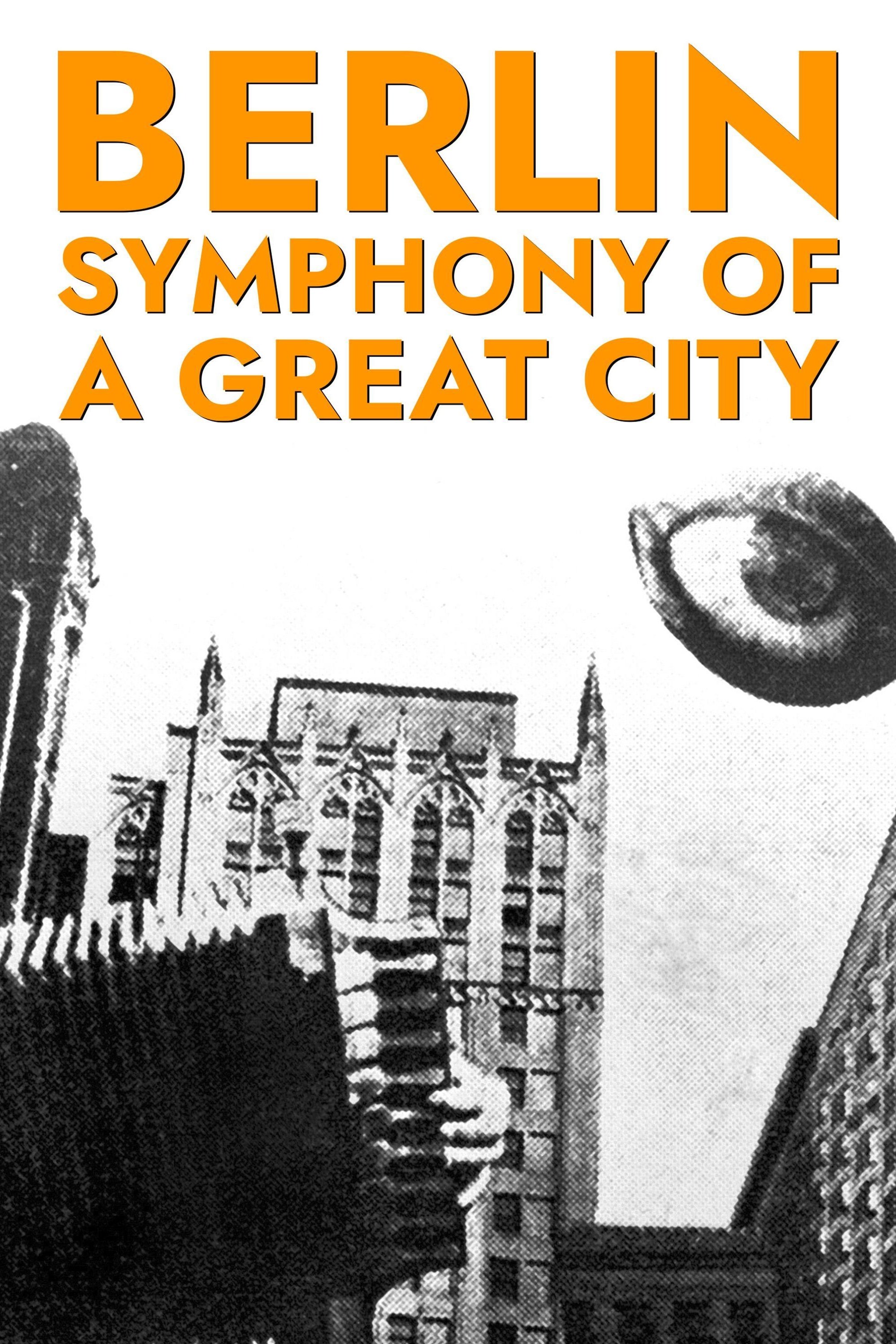
Berlin: Symphony of a Great City 1927
Documentary
A day in the city of Berlin, which experienced an industrial boom in the 1920s, and still provides an insight into the living and working conditions at that time. Germany had just recovered a little from the worst consequences of the First World War, the great economic crisis was still a few years away and Hitler was not yet an issue at the time.
The sides of Berlin: Symphony of a Great City
- One day in Berlin, from dawn to night
- Trains, factories and crowded streets
- Silent black and white images cut to a rhythm
Good for you if
- you like a city filmed like a machine, frame after frame.
- you want to see Berlin as it really looked in 1927.
- you want a silent film that's over in under seventy minutes.
Bad for you if
- you find silent black and white films dated.
- you need people and a story to follow.
About: the city · modern life · work
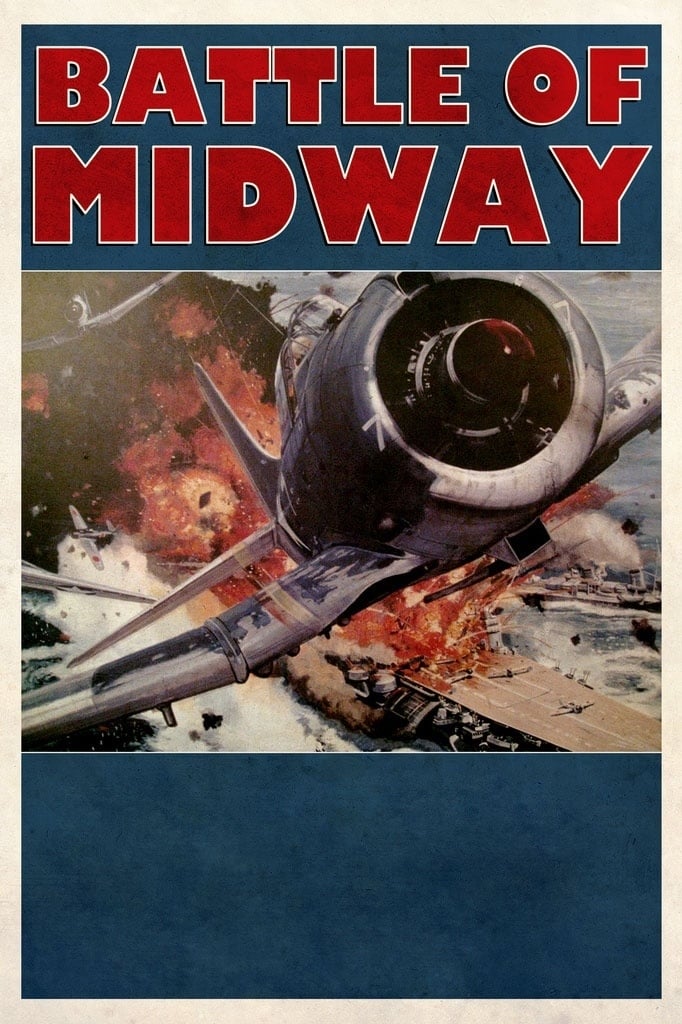
The Battle of Midway 1942
Documentary
The Japanese attack on Midway in June 1942, filmed as it happened. Preserved by the Academy Film Archive, in partnership with Twentieth Century Fox Film Corporation, in 2006.
The sides of The Battle of Midway
- John Ford filming under Japanese bombs
- Midway atoll in June 1942
- Color footage from the Pacific war
Good for you if
- you want a real battle filmed by someone who was there.
- you like wartime footage shot in color in 1942.
- you want something short. It runs eighteen minutes.
Bad for you if
- you find 1940s war footage dated.
- you roll your eyes at patriotic wartime narration.
About: duty · courage · propaganda
El faro 2019
Película
Ambientada a finales del siglo XIX, cuenta la historia de dos fareros que trabajan juntos en una misteriosa isla perdida de Nueva Inglaterra.
Las caras de El faro
- Dos fareros en una isla remota en la década de 1890
- Una tormenta que no termina
- Una luz que el joven farero nunca puede tocar
Buena para ti si
- quieres ver a Willem Dafoe y Robert Pattinson destrozarse el uno al otro.
- te gusta una imagen cuadrada en blanco y negro que parece una fotografía antigua.
- te gustan las sirenas, las gaviotas y una locura que no distingues de la realidad.
Mala para ti si
- el blanco y negro se te hace pesado.
- quieres saber al final qué era real.
Temas: el aislamiento · la locura · el poder
Land Without Bread 1933
Documentary
An exploration —manipulated and staged— of life in Las Hurdes, in the province of Cáceres, in Extremadura, Spain, as it was in 1932. Insalubrity, misery and lack of opportunities provoke the emigration of young people and the solitude of those who remain in the desolation of one of the poorest and least developed Spanish regions at that time.
The sides of Land Without Bread
- Villages of Las Hurdes in 1932
- Luis Buñuel behind the camera
- Poverty filmed with a cold narrator
Good for you if
- you like Buñuel turning a documentary into something strange.
- you can take a film about misery with no comfort offered.
- you want to see rural Spain before the civil war.
Bad for you if
- you can't watch sick children and animals dying on screen.
- you can't take a narrator's dry irony over real people's suffering.
- you find films from the 1930s dated.
About: poverty · isolation · the gaze of outsiders

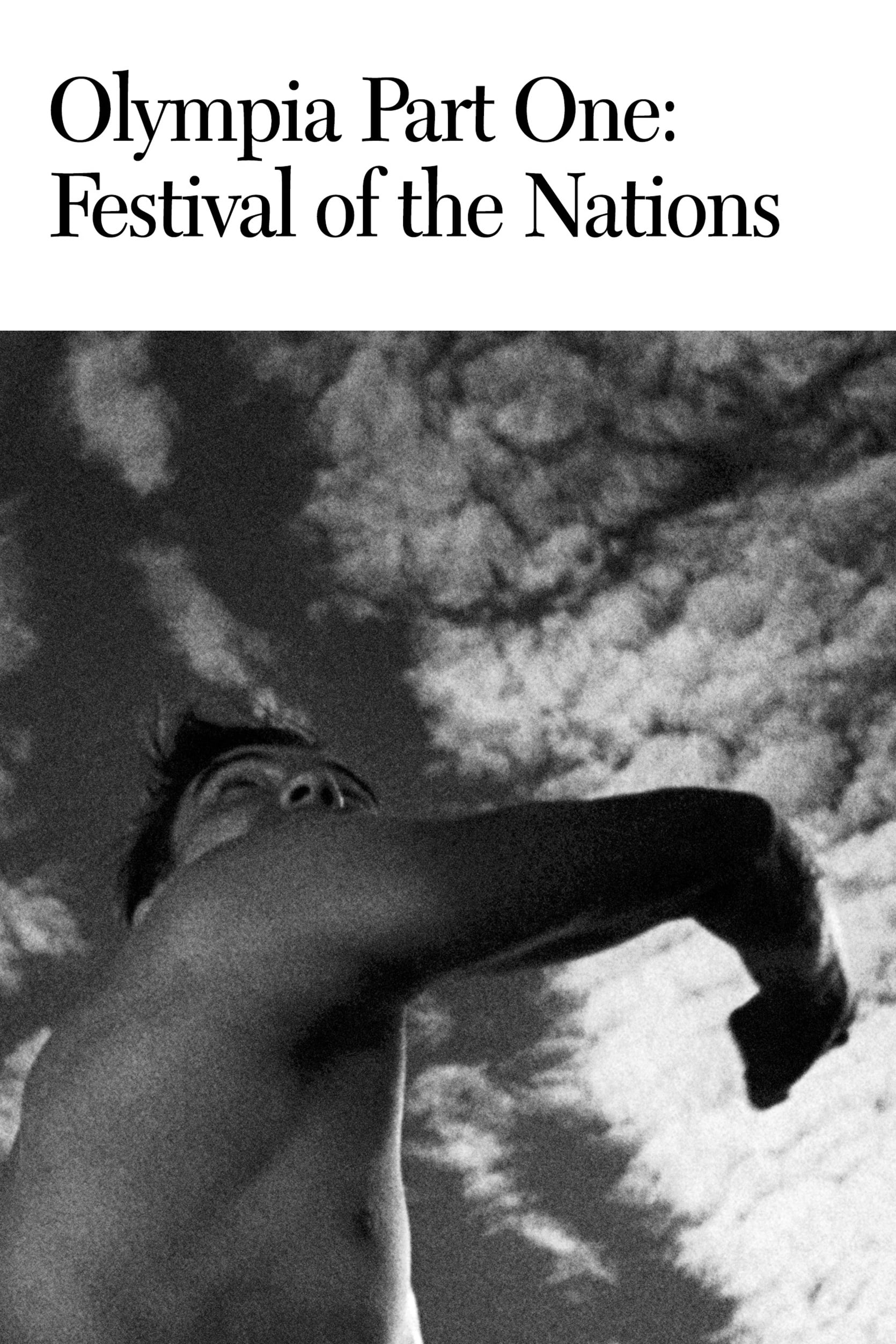
Olympia Part One: Festival of the Nations 1938
Documentary
Starting with a long and lyrical overture, evoking the origins of the Olympic Games in ancient Greece, Riefenstahl covers twenty-one athletic events in the first half of this two-part love letter to the human body and spirit, culminating with the marathon, where Jesse Owens became the first track and field athlete to win four gold medals in a single Olympics.
The sides of Olympia Part One: Festival of the Nations
- The 1936 Berlin Olympics
- Jesse Owens winning four gold medals
- A film made for the Nazi regime
Good for you if
- you like Leni Riefenstahl's camera angles that shaped how sport is filmed.
- you like watching athletes in motion, event after event.
- you want to see how the Nazi regime staged the 1936 Games.
Bad for you if
- you find black and white films from the 1930s dated.
- you won't read subtitles for German narration.
About: propaganda · the body · competition
The Seafarers 1953
Documentary
Stanley Kubrick’s first color film, commissioned by the Seafarers International Union to promote the benefits of union membership. Shot inside the union’s Atlantic and Gulf Coast District facilities, it features scenes of ships, machinery, cafeteria life, and meetings, highlighting the daily routines and camaraderie of seafarers. Thought lost for decades, the film was rediscovered in 1973 and preserved by the Library of Congress.
The sides of The Seafarers
- Stanley Kubrick's first color film
- A sailors' union hall and cafeteria
- Ships, machinery and meetings
Good for you if
- you like a look at sailors' lives in the early fifties.
- you are curious about Kubrick's first color film, made for a sailors' union.
Bad for you if
- you want people to get to know. The film shows sailors at meals and meetings but follows nobody.
- you want drama, and this is a half-hour tour of union halls.
About: work · solidarity · the sea
The Salt of the Earth 2014
Documentary
During the last forty years, the photographer Sebastião Salgado has been travelling through the continents, in the footsteps of an ever-changing humanity. He has witnessed the major events of our recent history: international conflicts, starvations and exodus… He is now embarking on the discovery of pristine territories, of the wild fauna and flora, of grandiose landscapes: a huge photographic project which is a tribute to the planet's beauty. Salgado's life and work are revealed to us by his son, Juliano, who went with him during his last journeys, and by Wim Wenders, a photographer himself.
The sides of The Salt of the Earth
- Forty years of photographs by one man
- A gold mine crowded with thousands of workers
- A dead family farm replanted into a forest
Good for you if
- you can look at black and white photographs for nearly two hours.
- you want the man who took the pictures to tell you where he was standing.
- you like whales, glaciers and a forest growing back.
Bad for you if
- you can't look at photographs of famine and massacre.
- you won't read subtitles while the photographer speaks his own language.
About: humanity · despair · renewal
Hearts of Darkness: A Filmmaker's Apocalypse 1991
Documentary
A chronicle of the production problems — including bad weather, actors' health, war near the filming locations, and more — which plagued the filming of Apocalypse Now, increasing costs and nearly destroying the life and career of Francis Ford Coppola.
The sides of Hearts of Darkness: A Filmmaker's Apocalypse
- The shoot of Apocalypse Now in the Philippines
- Footage filmed by Eleanor Coppola
- A typhoon, a heart attack and a director near breaking point
Good for you if
- you like seeing how a famous film almost never got made.
- you like watching Francis Ford Coppola stake everything on one film.
- you like the strange scenes of Brando improvising in the dark and Dennis Hopper rambling.
Bad for you if
- you want the battles of the film, not the chaos behind them.
- you find grainy 1970s home footage dated.
About: obsession · art · ego · madness
Passage of Venus 1874
Documentary
Photo sequence of the rare transit of Venus over the face of the Sun, one of the first chronophotographic sequences. In 1873, P.J.C. Janssen, or Pierre Jules César Janssen, invented the Photographic Revolver, which captured a series of images in a row. The device, automatic, produced images in a row without human intervention, being used to serve as photographic evidence of the passage of Venus before the Sun, in 1874.
The sides of Passage of Venus
- The planet Venus crossing the Sun
- A sequence of photographs from 1874
- Janssen's photographic revolver
Good for you if
- you like seeing moving images from before cinema existed.
- you like a real planet caught crossing the Sun in 1874.
- you're curious about the invention that came before the film camera.
Bad for you if
- you need people and a story, not an astronomical record.
- you need sound, and this is a few silent seconds.
About: astronomy · invention · early cinema
Ghosts of the Abyss 2003
Documentary
With a team of the world's foremost historic and marine experts as well as friend Bill Paxton, James Cameron embarks on an unscripted adventure back to the wreck of the Titanic where nearly 1,500 souls lost their lives almost a century ago.
The sides of Ghosts of the Abyss
- James Cameron diving back to the Titanic
- Small robots exploring inside the wreck
- Bill Paxton seeing it for the first time
Good for you if
- you like the sight of the Titanic lit up in the deep dark.
- you want to see the grand staircase and cabins where real passengers lived.
- you like real dives and real submarines, not a reconstruction.
Bad for you if
- you need more happening than slow passes along a wreck.
- you can't think about the 1,500 people who died there.
About: memory · exploration · the sea
Night and Fog 1956
Documentary
Filmmaker Alain Resnais documents the atrocities behind the walls of Hitler's concentration camps.
The sides of Night and Fog
- The grass grown back over Auschwitz ten years after
- Archive film and photographs from the camps
- A commentary written by a deported poet
Good for you if
- you want the camps documented a decade after, while the sites were still standing.
- you want the record itself, the archives and the places as they were left.
- you can face what was done there, stated plainly.
Bad for you if
- you can't look at archive images of the dead and the survivors of the camps.
- you need a film to leave you some hope, and this one closes by asking who is still keeping watch.
About: the camps · memory · war

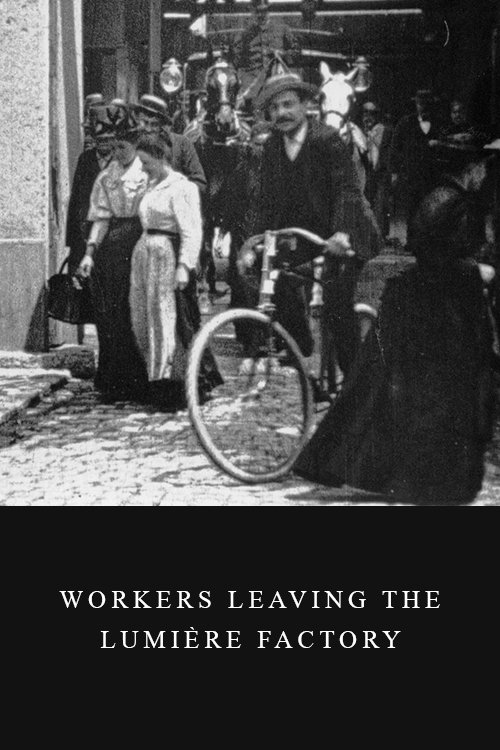
Workers Leaving the Lumière Factory 1895
Documentary
“The workers leave the Lumière factory.” Workers pass through the gate of the Lumière factory and are followed by a carriage drawn by two horses.
The sides of Workers Leaving the Lumière Factory
- Workers walking out of a factory gate in Lyon
- A horse-drawn carriage
- Less than a minute of film
Good for you if
- you want to see one of the very first films ever shown.
- you like seeing ordinary people from 1895 walk past the camera.
Bad for you if
- you want people with a story to follow.
- you want a film for the evening. This one lasts under a minute.
About: early cinema · work · everyday life
Jodorowsky's Dune 2013
Documentary
In 1974, Chilean-French director Alejandro Jodorowsky embarked on the quixotic project of adapting Frank Herbert's influential novel Dune (1969) for the big screen. After investing two years, and millions of dollars, the gigantic project ended in failure; but the artists Jodorowsky brought together to carry it out continued to work together, and ended up laying the foundations for modern science fiction cinema.
The sides of Jodorowsky's Dune
- A director preparing Dune in 1974
- A book of storyboards for a film nobody shot
- Dalí and Mick Jagger in the cast
Good for you if
- you want the man himself telling you how he lost the film.
- you like pages of Moebius drawings and Giger designs on screen.
- you like the feeling of a film too big to exist.
Bad for you if
- you want something happening on screen and not people remembering a project.
- you can't take a man casting Salvador Dalí as a galactic emperor.
About: ambition · failure · cinema

Baby's Meal 1895
Documentary
A dad feeds his lunch to a baby.
The sides of Baby's Meal
- Auguste Lumière and his wife feeding their baby
- A family meal in a garden
- Less than a minute of film
Good for you if
- you want to see one of the first films ever shown.
- you like a small family moment saved from 1895.
- you want something gentle with nothing at stake.
Bad for you if
- you want people with a story to follow.
- you need something to happen besides a baby eating.
About: early cinema · parenthood · everyday life
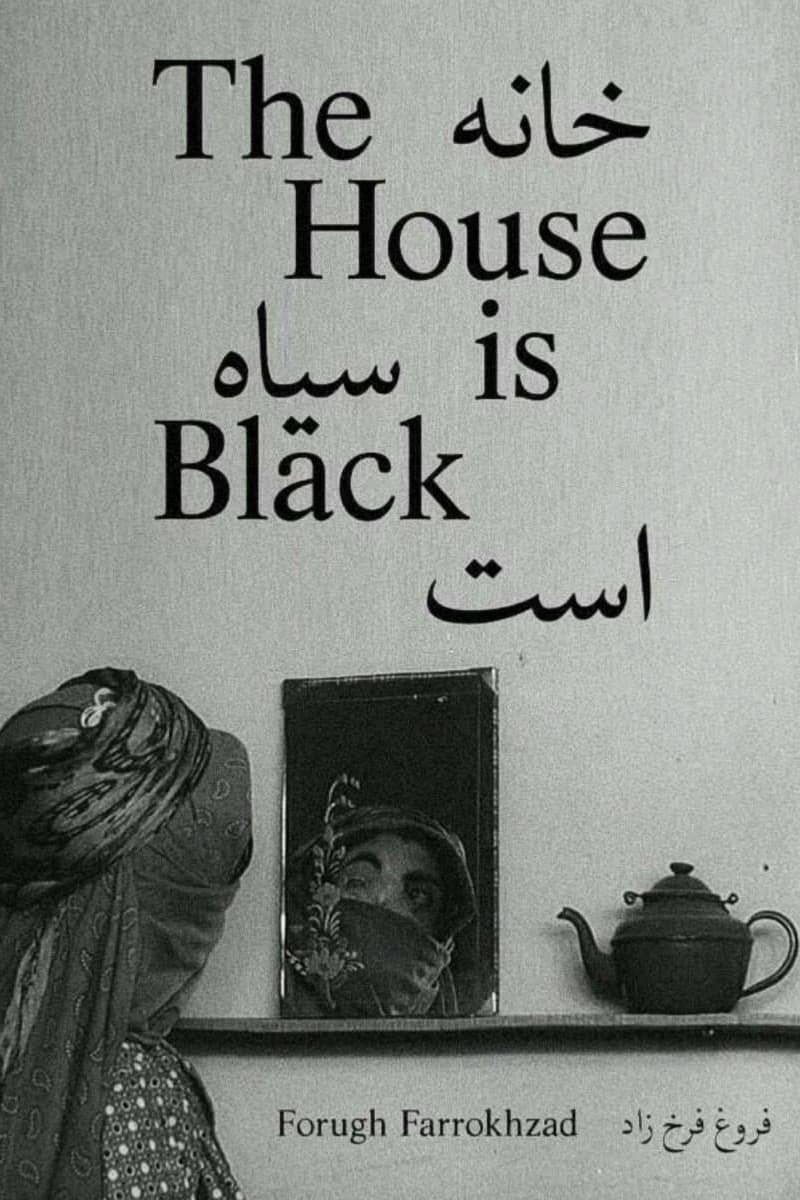
The House Is Black 1963
Documentary
Set in a leper colony in the north of Iran, The House is Black juxtaposes "ugliness," of which there is much in the world as stated in the opening scenes, with religion and gratitude.
The sides of The House Is Black
- A leper colony in northern Iran
- Poetry read over the images
- Children at school in the colony
Good for you if
- you like black and white images that stay with you.
- you have twenty minutes, not two hours.
- you want to see real lives most people never look at.
Bad for you if
- you'd rather not see illness and disfigurement up close.
- you find black and white films from the sixties dated.
- you won't read subtitles over Persian poetry.
About: suffering · faith · dignity