¿Qué quieres ver esta noche?
Cada título dice para quién es bueno y para quién no. Toca lo que quieres esta noche, o di que no a uno y por qué.
Lo más cercano a Flying Padre primero
Salesman 1969
Documentary
This documentary from Albert and David Maysles follows the bitter rivalry of four door-to-door salesmen working for the Mid-American Bible Company: Paul "The Badger" Brennan, Charles "The Gipper" McDevitt, James "The Rabbit" Baker and Raymond "The Bull" Martos. Times are tough for this hard-living quartet, who spend their days traveling through small-town America, trying their best to peddle gold-leaf Bibles to an apathetic crowd of lower-middle-class housewives and elderly couples.
The sides of Salesman
- Four Bible salesmen on the road
- Sales pitches in working-class living rooms
- Motel rooms between visits
Good for you if
- you like watching real door-to-door salesmen at work in 1960s America.
- you like following Paul Brennan as his pitch stops working.
- you enjoy black and white documentaries from the sixties.
Bad for you if
- you need more happening than sales pitches in living rooms.
- you need music to carry a film. There's no score and no narrator, just the salesmen talking.
About: work · failure · the American dream

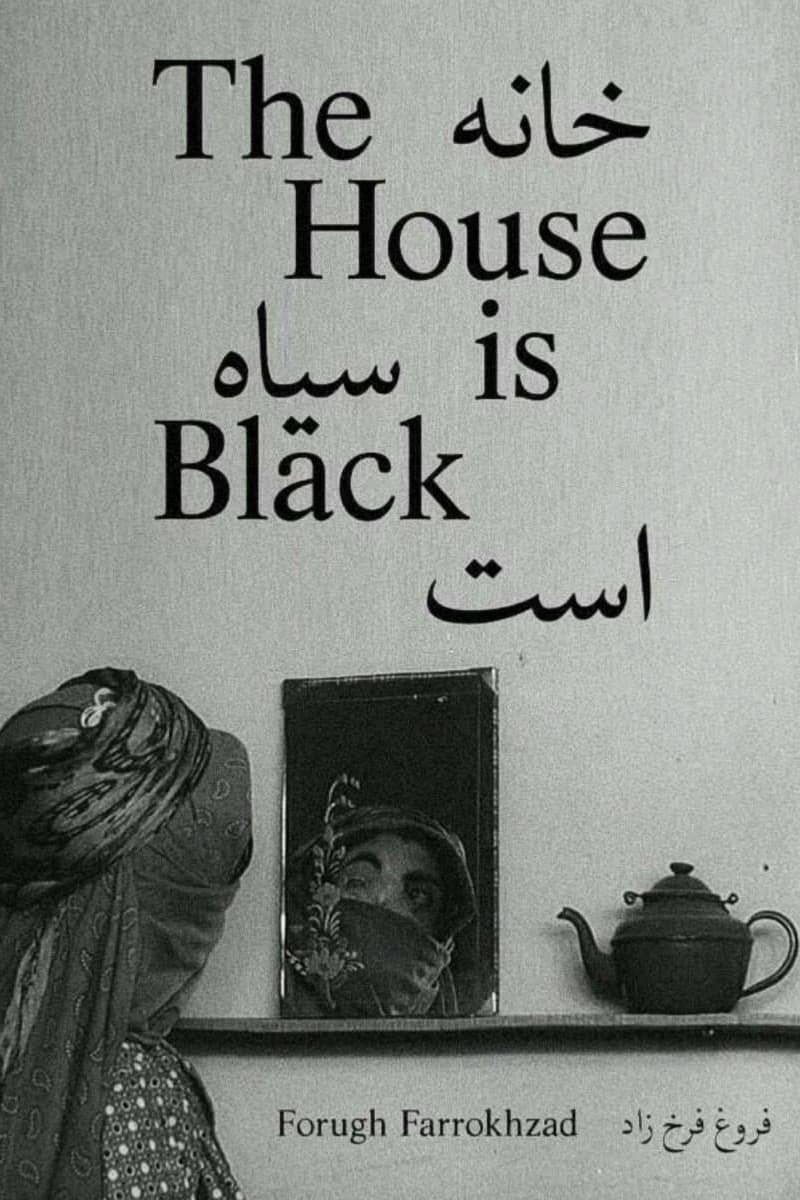
The House Is Black 1963
Documentary
Set in a leper colony in the north of Iran, The House is Black juxtaposes "ugliness," of which there is much in the world as stated in the opening scenes, with religion and gratitude.
The sides of The House Is Black
- A leper colony in northern Iran
- Poetry read over the images
- Children at school in the colony
Good for you if
- you like black and white images that stay with you.
- you have twenty minutes, not two hours.
- you want to see real lives most people never look at.
Bad for you if
- you'd rather not see illness and disfigurement up close.
- you find black and white films from the sixties dated.
- you won't read subtitles over Persian poetry.
About: suffering · faith · dignity
Nanook of the North 1922
Documentary
This pioneering documentary film depicts the lives of the indigenous Inuit people of Canada's northern Quebec region. Although the production contains some fictional elements, it vividly shows how its resourceful subjects survive in such a harsh climate, revealing how they construct their igloo homes and find food by hunting and fishing. The film also captures the beautiful, if unforgiving, frozen landscape of the Great White North, far removed from conventional civilization.
The sides of Nanook of the North
- An Inuit hunter and his family in northern Quebec
- An igloo built by hand
- A walrus hunt with harpoons
Good for you if
- you like the frozen landscapes of the far north.
- you like watching people find food and shelter in deep cold.
- you're curious about one of the very first documentaries.
Bad for you if
- you don't watch silent black and white films.
- you need momentum. Whole minutes go to cutting snow blocks for an igloo.
About: survival · family · the Arctic

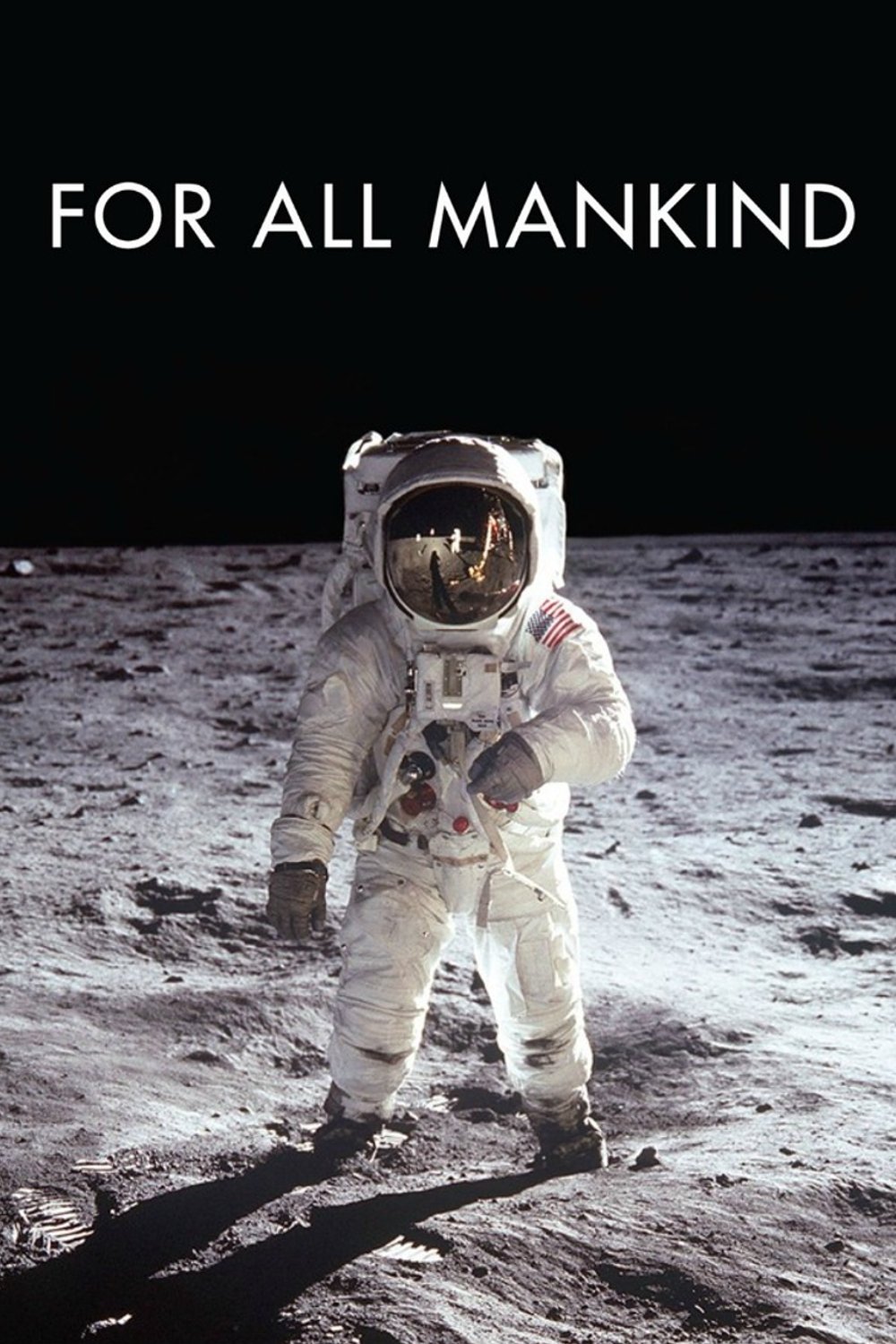
For All Mankind 1989
Documentary
A testament to NASA's Apollo program of the 1960s and '70s. Composed of actual NASA footage of the missions and astronaut interviews, the documentary offers the viewpoint of the individuals who braved the remarkable journey to the moon and back.
The sides of For All Mankind
- NASA footage of the Apollo missions
- Astronauts remembering in their own voices
- A Brian Eno score
Good for you if
- you like the trip to the Moon told by the astronauts who made it.
- you like seeing Earth from the Moon in real footage.
- you like Brian Eno's ambient music over space images.
Bad for you if
- you need more drama than a calm, floating journey.
- you find 1960s footage dated.
About: exploration · awe · history
Time 2020
Documentary
Fox Rich, indomitable matriarch and modern-day abolitionist, strives to keep her family together while fighting for the release of her incarcerated husband. An intimate, epic, and unconventional love story, filmed over two decades.
The sides of Time
- A wife fighting for her husband's release
- Home videos filmed over two decades
- Six sons growing up without their father at home
Good for you if
- you want a true story about a family and the prison system.
- you like Fox Rich holding her family together for twenty years.
- you like black and white images that make home videos feel like memory.
Bad for you if
- you need momentum more than a patient portrait.
- you find black and white hard to sit through.
About: waiting · love · justice

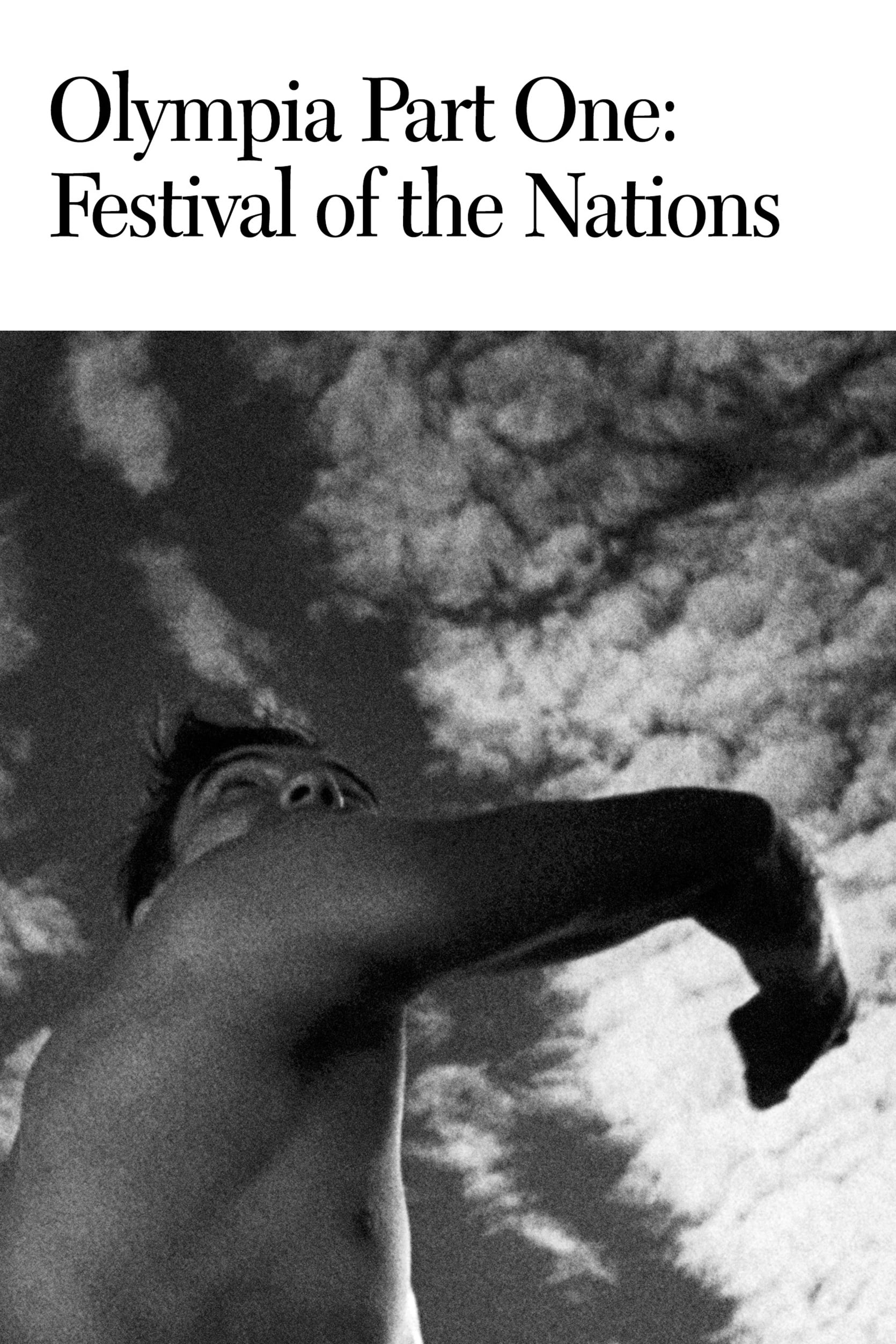
Olympia Part One: Festival of the Nations 1938
Documentary
Starting with a long and lyrical overture, evoking the origins of the Olympic Games in ancient Greece, Riefenstahl covers twenty-one athletic events in the first half of this two-part love letter to the human body and spirit, culminating with the marathon, where Jesse Owens became the first track and field athlete to win four gold medals in a single Olympics.
The sides of Olympia Part One: Festival of the Nations
- The 1936 Berlin Olympics
- Jesse Owens winning four gold medals
- A film made for the Nazi regime
Good for you if
- you like Leni Riefenstahl's camera angles that shaped how sport is filmed.
- you like watching athletes in motion, event after event.
- you want to see how the Nazi regime staged the 1936 Games.
Bad for you if
- you find black and white films from the 1930s dated.
- you won't read subtitles for German narration.
About: propaganda · the body · competition
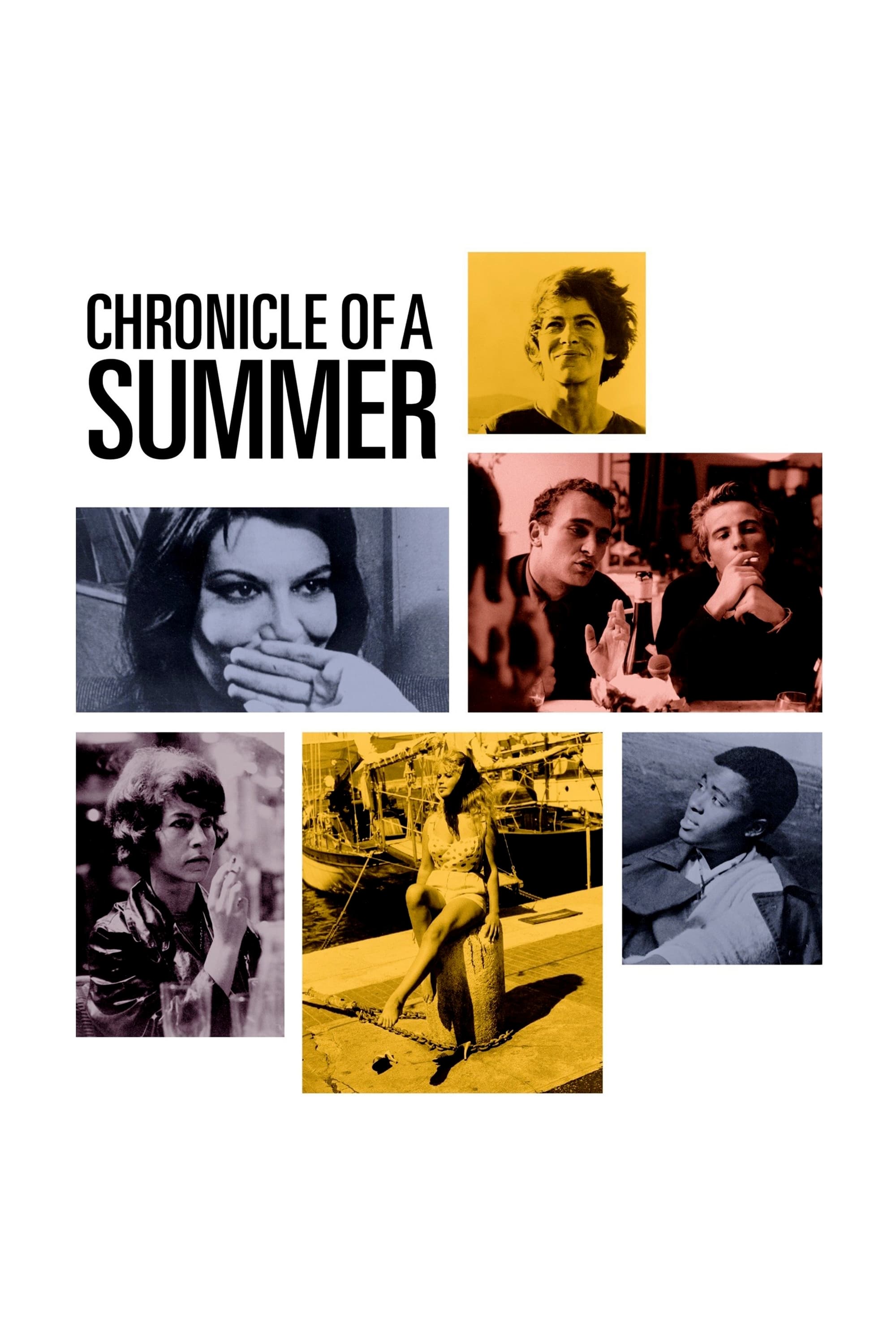
Chronicle of a Summer 1961
Documentary
Paris, summer 1960. Anthropologist and filmmaker Jean Rouch and sociologist and film critic Edgar Morin wander through the crowded streets asking passersby how they cope with life's misfortunes.
The sides of Chronicle of a Summer
- Passersby in Paris asked if they are happy
- Workers, students and friends talking about their lives
- Paris and Saint-Tropez in the summer of 1960
Good for you if
- you like black and white films that invented a way of filming.
- you like long, honest conversations with ordinary people.
- you want to feel France in 1960, with the Algerian war in the background.
Bad for you if
- you won't read subtitles.
- you need momentum more than long conversations.
About: happiness · work · friendship · the human condition
Boat Leaving the Port 1895
Documentary
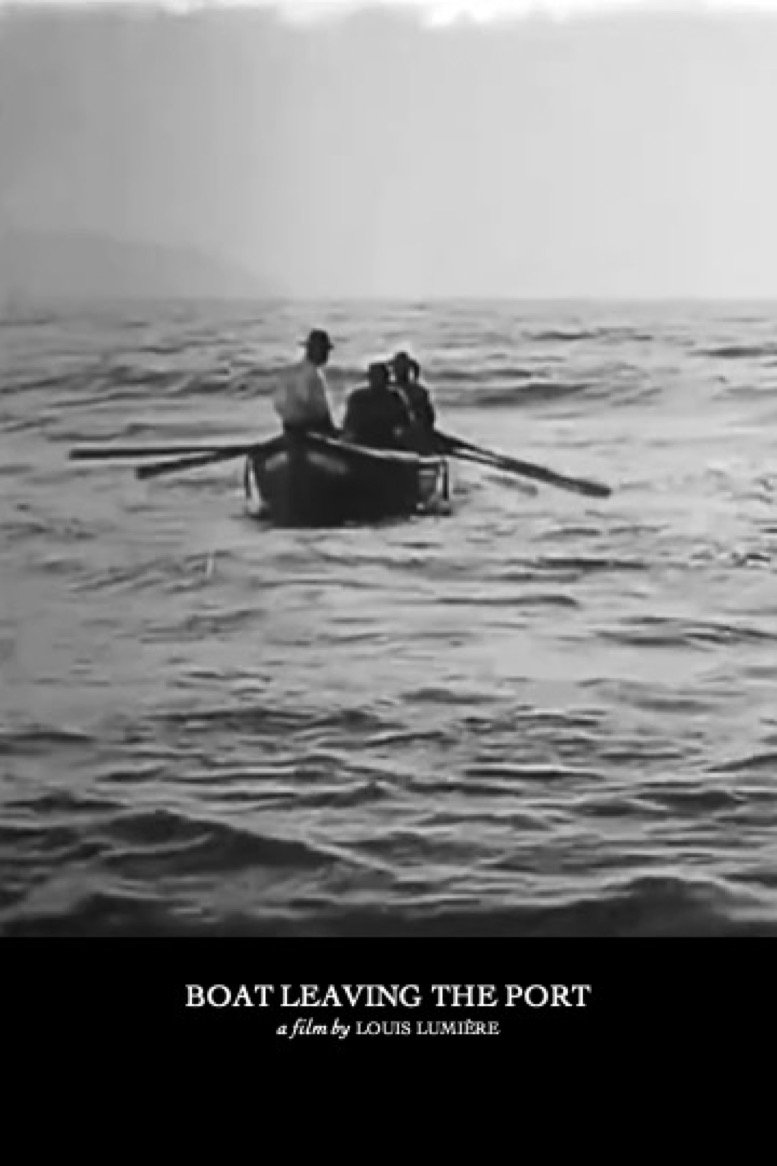
In very bad weather and a stormy sea, a small boat manned by two men is trying to leave the harbor of La Ciotat, while several people are watching them from the nearby pier.
The sides of Boat Leaving the Port
- A small rowing boat leaving La Ciotat
- Two men against a rough sea
- People watching from the pier
Good for you if
- you love the very first films shot by the Lumière brothers.
- you want to see the harbour of La Ciotat as it was in 1895.
- you want a film that lasts less than a minute.
Bad for you if
- you need people you get to know and a story to follow.
- you need words, and this is one silent minute.
About: the birth of cinema · the sea · everyday life
Pope Francis: A Man of His Word 2018
Documentary
Pope Francis responds to questions from around the world, discussing topics including ecology, immigration, consumerism and social justice.
The sides of Pope Francis: A Man of His Word
- Pope Francis talking straight to the camera
- Wim Wenders as director
- Questions on poverty, migration and the planet
Good for you if
- you want to hear Pope Francis in his own words.
- you like sincere talk about the poor, the planet and kindness.
Bad for you if
- you need momentum more than a man speaking calmly to the camera.
- you want a documentary with conflict and hard questions.
About: faith · poverty · ecology · justice
Honeyland 2019
Documentary
When nomadic beekeepers break Honeyland’s basic rule (take half of the honey, but leave half to the bees), the last female beehunter in Europe must save the bees and restore natural balance.
The sides of Honeyland
- Hatidze, a wild beekeeper in North Macedonia
- Her old, bedridden mother
- A nomadic family moving in next door
Good for you if
- you like bees, rocks and light in a remote Balkan valley.
- you like a real life filmed over three years, with no narrator.
- you're moved by Hatidze caring for her mother alone.
Bad for you if
- you won't read subtitles.
- you need momentum. The film follows the bees season by season.
About: balance · solitude · greed

Berlin: Symphony of a Great City 1927
Documentary
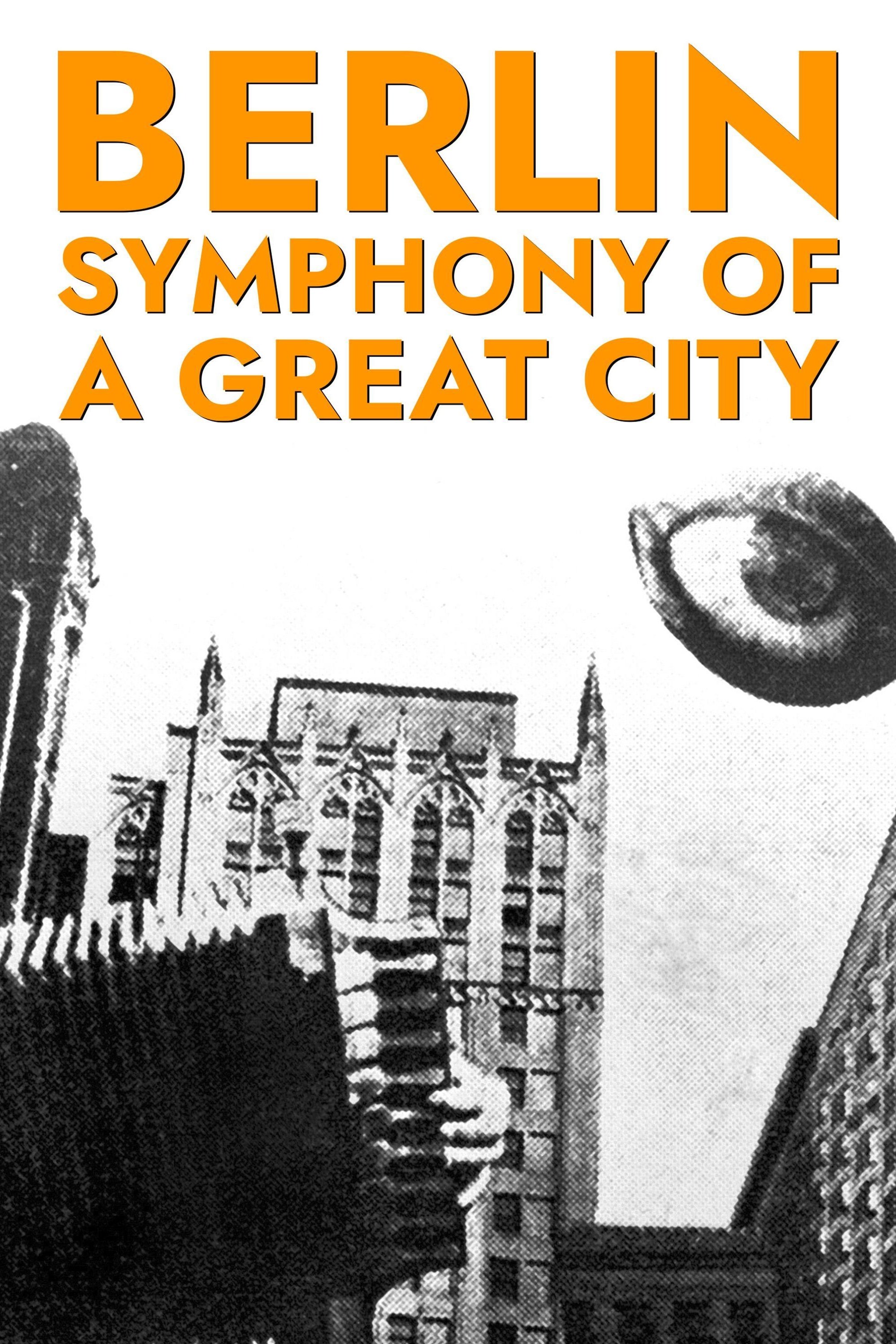
A day in the city of Berlin, which experienced an industrial boom in the 1920s, and still provides an insight into the living and working conditions at that time. Germany had just recovered a little from the worst consequences of the First World War, the great economic crisis was still a few years away and Hitler was not yet an issue at the time.
The sides of Berlin: Symphony of a Great City
- One day in Berlin, from dawn to night
- Trains, factories and crowded streets
- Silent black and white images cut to a rhythm
Good for you if
- you like a city filmed like a machine, frame after frame.
- you want to see Berlin as it really looked in 1927.
- you want a silent film that's over in under seventy minutes.
Bad for you if
- you find silent black and white films dated.
- you need people and a story to follow.
About: the city · modern life · work
Alone in the Wilderness 2004
Documentary
Dick Proenneke retired at age 50 in 1967 and decided to build his own cabin in the wilderness at the base of the Aleutian Peninsula, in what is now Lake Clark National Park. Using color footage he shot himself, Proenneke traces how he came to this remote area, selected a homestead site and built his log cabin completely by himself. The documentary covers his first year in-country, showing his day-to-day activities and the passing of the seasons as he sought to scratch out a living alone in the wilderness.
The sides of Alone in the Wilderness
- A retired man building a log cabin alone in Alaska
- Footage he filmed himself
- A year of seasons by a remote lake
Good for you if
- you like Alaskan lakes, mountains and wildlife through the seasons.
- you enjoy watching Dick Proenneke shape every log by hand.
- you want a calm hour of a man content with his own company.
Bad for you if
- you don't get into grainy 16mm footage from the late 1960s.
- you want people talking, and here one man narrates his days.
About: solitude · self-reliance · the wilderness

Workers Leaving the Lumière Factory 1895
Documentary
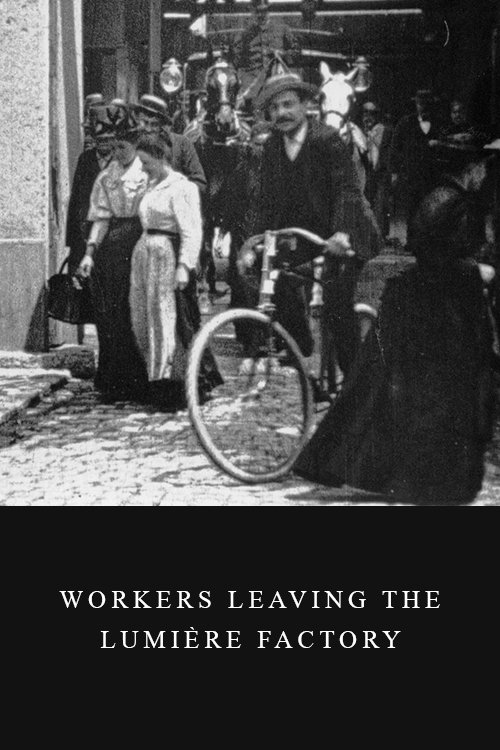
“The workers leave the Lumière factory.” Workers pass through the gate of the Lumière factory and are followed by a carriage drawn by two horses.
The sides of Workers Leaving the Lumière Factory
- Workers walking out of a factory gate in Lyon
- A horse-drawn carriage
- Less than a minute of film
Good for you if
- you want to see one of the very first films ever shown.
- you like seeing ordinary people from 1895 walk past the camera.
Bad for you if
- you want people with a story to follow.
- you want a film for the evening. This one lasts under a minute.
About: early cinema · work · everyday life
Fire of Love 2022
Documentary
A doomed love triangle between intrepid French scientists Katia and Maurice Krafft, and their beloved volcanoes.
The sides of Fire of Love
- Katia and Maurice Krafft, a married couple of volcanologists
- Archive footage of eruptions and lava flows
- A life spent getting as close as possible
Good for you if
- you like a real love story shared between two people and their volcanoes.
- you like standing next to lava through someone else's camera.
- you like eruptions filmed from far closer than anyone should be.
Bad for you if
- you'd rather not watch a couple you know will die on a volcano.
- you find grainy footage from the 1970s and 1980s dated.
About: love · curiosity · risk · the forces of nature
In the Shadow of the Moon 2007
Documentary
Archival material from the original NASA film footage – much of it seen for the first time – plus interviews with the surviving astronauts, including Jim Lovell, Dave Scott, John Young, Gene Cernan, Mike Collins, Buzz Aldrin, Alan Bean, Edgar Mitchell, Charlie Duke and Harrison Schmitt.
The sides of In the Shadow of the Moon
- Apollo astronauts telling their own missions
- NASA footage from the 1960s and 70s
- The Earth seen from the Moon
Good for you if
- you like rockets, lunar landers and the Apollo program told by the men who flew it.
- you like hearing astronauts describe seeing the whole Earth from far away.
- you like the 1960s space race and the Cold War pressure behind it.
Bad for you if
- you want a space film with drama and spectacle, not interviews.
- you find grainy archive footage from the 1960s dated.
About: exploration · courage · the Cold War · awe
The Last Man on the Moon 2016
Documentary
The 1960s was an extraordinary time for the United States. Unburdened by post-war reparations, Americans were preoccupied with other developments like NASA, the game-changing space programme that put Neil Armstrong on the moon. Yet it was astronauts like Eugene Cernan who paved the uneven, perilous path to lunar exploration. A test pilot who lived to court danger, he was recruited along with 14 other men in a secretive process that saw them become the closest of friends and adversaries. In this intensely competitive environment, Cernan was one of only three men who was sent twice to the moon, with his second trip also being NASA’s final lunar mission. As he looks back at what he loved and lost during the eight years in Houston, an incomparably eventful life emerges into view. Director Mark Craig crafts a quietly epic biography that combines the rare insight of the surviving former astronauts with archival footage and otherworldly moonscapes.
The sides of The Last Man on the Moon
- Gene Cernan, the last astronaut to walk on the Moon
- Test pilots recruited by NASA in the 1960s
- A family left behind in Houston
Good for you if
- you love the Apollo missions and the race to the Moon.
- you want the astronauts themselves telling what it cost them.
- you like looking up at moonscapes and thinking someone stood there.
Bad for you if
- you want launches and danger more than a man looking back on his life.
- you roll your eyes at a hero remembering his glory years.
About: ambition · the price of glory · friendship
Man with a Movie Camera 1929
Documentary
A cameraman wanders around with a camera slung over his shoulder, documenting urban life with dazzling inventiveness.
The sides of Man with a Movie Camera
- A cameraman filming Soviet cities in the 1920s
- A day of city life from waking to work to play
- Split screens, slow motion and fast cuts
Good for you if
- you like seeing camera tricks invented before your grandparents were born.
- you like silent black and white film.
- you like the thrill of trams, factories and crowds cut to a rhythm.
Bad for you if
- you need a story and people to follow. There is no plot and no actor.
- you need words. It is silent, with no intertitles.
About: the city · modernity · cinema itself
Voyage of Time: Life's Journey 2017
Documentary
A celebration of the universe, displaying the whole of time, from its start to its final collapse. This film examines all that occurred to prepare the world that stands before us now: science and spirit, birth and death, the grand cosmos and the minute life systems of our planet.
The sides of Voyage of Time: Life's Journey
- The birth of the universe
- Life appearing and evolving on Earth
- A narrator asking questions to a mother figure
Good for you if
- you like feeling small in front of billions of years.
- you want galaxies, volcanoes and cells as pure images.
- you like the cosmos from its first moment to its end.
Bad for you if
- you need a story that moves, not a long meditation.
- you roll your eyes at whispered questions to the universe.
About: creation · the meaning of life · time

Day of the Fight 1951
Documentary
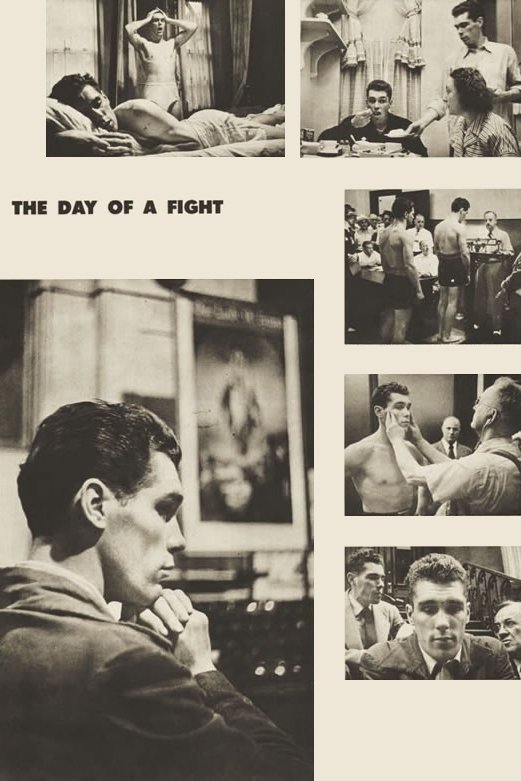
Stanley Kubrick’s debut documentary, following Irish-American middleweight boxer Walter Cartier on April 17, 1950—the day of his bout with Bobby James. The film traces Cartier’s quiet morning rituals, training, and anxious hours before the match, culminating in his swift victory that night in Newark. Opening with a brief history of boxing, Kubrick’s tightly crafted short captures the discipline, isolation, and tension behind a fighter’s daily routine.
The sides of Day of the Fight
- A middleweight boxer on the day of his fight
- Stanley Kubrick's first film
- A twin brother at his side
Good for you if
- you like seeing a boxer's day away from the ring.
- you like a real fighter, Walter Cartier, filmed as he was in 1950.
- you like the slow wait of the hours before a fight.
Bad for you if
- you find black and white newsreels dated.
- you want a long fight, not a short one at the end.
About: discipline · solitude · waiting

Baby's Meal 1895
Documentary
A dad feeds his lunch to a baby.
The sides of Baby's Meal
- Auguste Lumière and his wife feeding their baby
- A family meal in a garden
- Less than a minute of film
Good for you if
- you want to see one of the first films ever shown.
- you like a small family moment saved from 1895.
- you want something gentle with nothing at stake.
Bad for you if
- you want people with a story to follow.
- you need something to happen besides a baby eating.
About: early cinema · parenthood · everyday life