¿Qué quieres ver esta noche?
Cada título dice para quién es bueno y para quién no. Toca lo que quieres esta noche, o di que no a uno y por qué.
Lo más cercano a Hitchcock/Truffaut primero
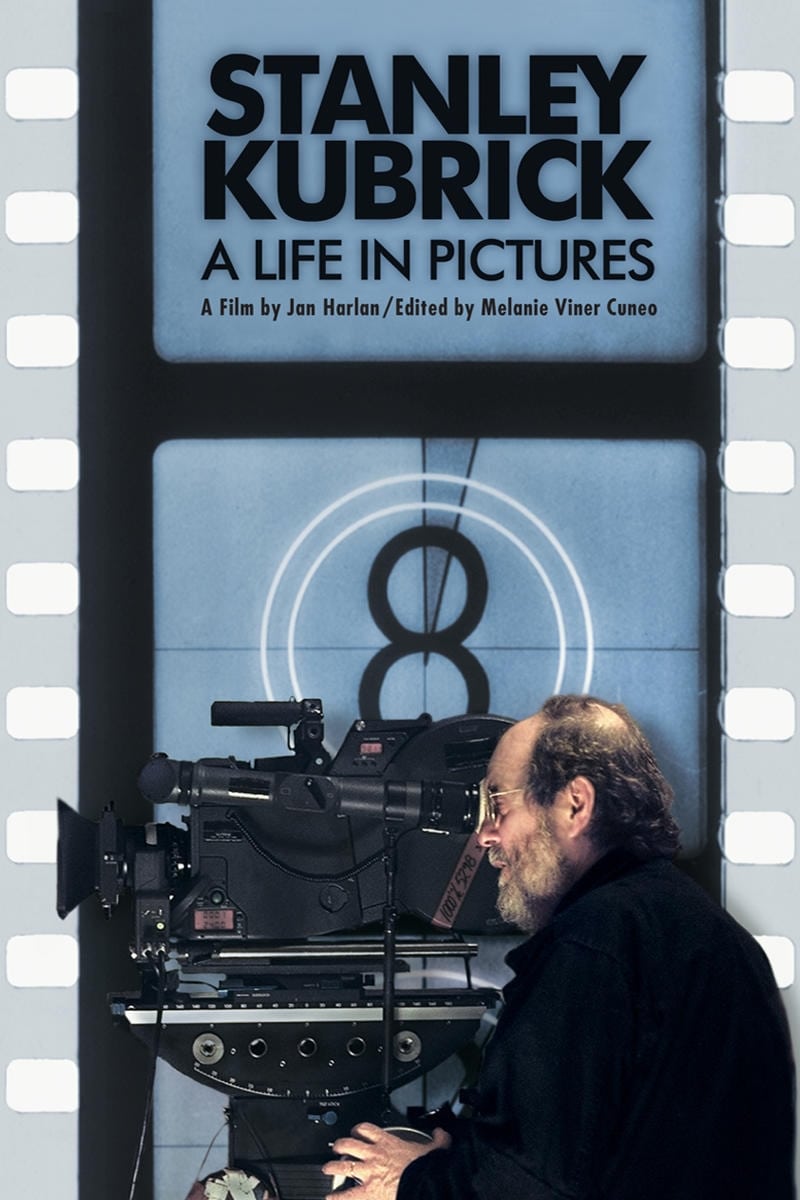
Stanley Kubrick - Ein Leben für den Film 2001
Documentary
With commentary from Hollywood stars, outtakes from his movies and footage from his youth, this documentary looks at Stanley Kubrick's life and films. Director Jan Harlan, Kubrick's brother-in-law and sometime collaborator, interviews heavyweights like Jack Nicholson, Woody Allen and Sydney Pollack, who explain the influence of Kubrick classics like "Dr. Strangelove" and "2001: A Space Odyssey," and how he absorbed visual clues from disposable culture such as television commercials.
The sides of Stanley Kubrick - Ein Leben für den Film
- Stanley Kubrick's life and films
- Interviews with Jack Nicholson and others who worked with him
- Home footage from his family
Good for you if
- you love Dr. Strangelove, 2001 and the films around them.
- you want to know the man behind the legend from people who knew him.
- you care about how every Kubrick frame was built.
Bad for you if
- you can't sit through almost two and a half hours of documentary.
- you need a story, not a career told in interviews.
About: obsession · creation · cinema
The Cutting Edge: The Magic of Movie Editing 2004
Documentary
Documentary about the art of film editing. Clips are shown from many groundbreaking films with innovative editing styles.
The sides of The Cutting Edge: The Magic of Movie Editing
- Film editors talking about their craft
- Clips from a century of movies
- The cut that changes a scene
Good for you if
- you like seeing how silent films and classics were put together.
- you like hearing real editors like Thelma Schoonmaker explain cuts you never noticed.
- you like going back to your favorite films to spot the cuts.
Bad for you if
- you want a documentary that grips like a thriller.
- you want to follow one person's story, not a parade of interviews.
About: filmmaking · craft · invisible work
They'll Love Me When I'm Dead 2018
Documentary
As his life comes to its end, famous Hollywood director Orson Welles puts it all on the line at the chance for renewed success with the film The Other Side of the Wind.
The sides of They'll Love Me When I'm Dead
- Orson Welles making his last film
- The Other Side of the Wind
- Years of chaotic shooting and money troubles
Good for you if
- you want the real story behind a film shot over years and left unfinished.
- you like a portrait of a stubborn filmmaker late in life.
- you love old Hollywood and the era of Welles.
Bad for you if
- you need a story told in order, without a flood of archive footage.
- you want a warm, easy watch rather than a chaotic shoot.
About: ambition · legacy · art
I Am Not Your Negro 2017
Documentary
Working from the text of James Baldwin’s unfinished final novel, director Raoul Peck creates a meditation on what it means to be Black in the United States.
The sides of I Am Not Your Negro
- James Baldwin's unfinished book
- Medgar Evers, Malcolm X and Martin Luther King
- Archive footage of America then and now
Good for you if
- you want Medgar Evers, Malcolm X and Martin Luther King through James Baldwin's eyes.
- you want the real archive footage of the civil rights years.
- you like James Baldwin's words, read by Samuel L. Jackson.
Bad for you if
- you can't watch archive images of racist violence.
- you need a story that moves faster than an essay.
About: racism · memory · American identity

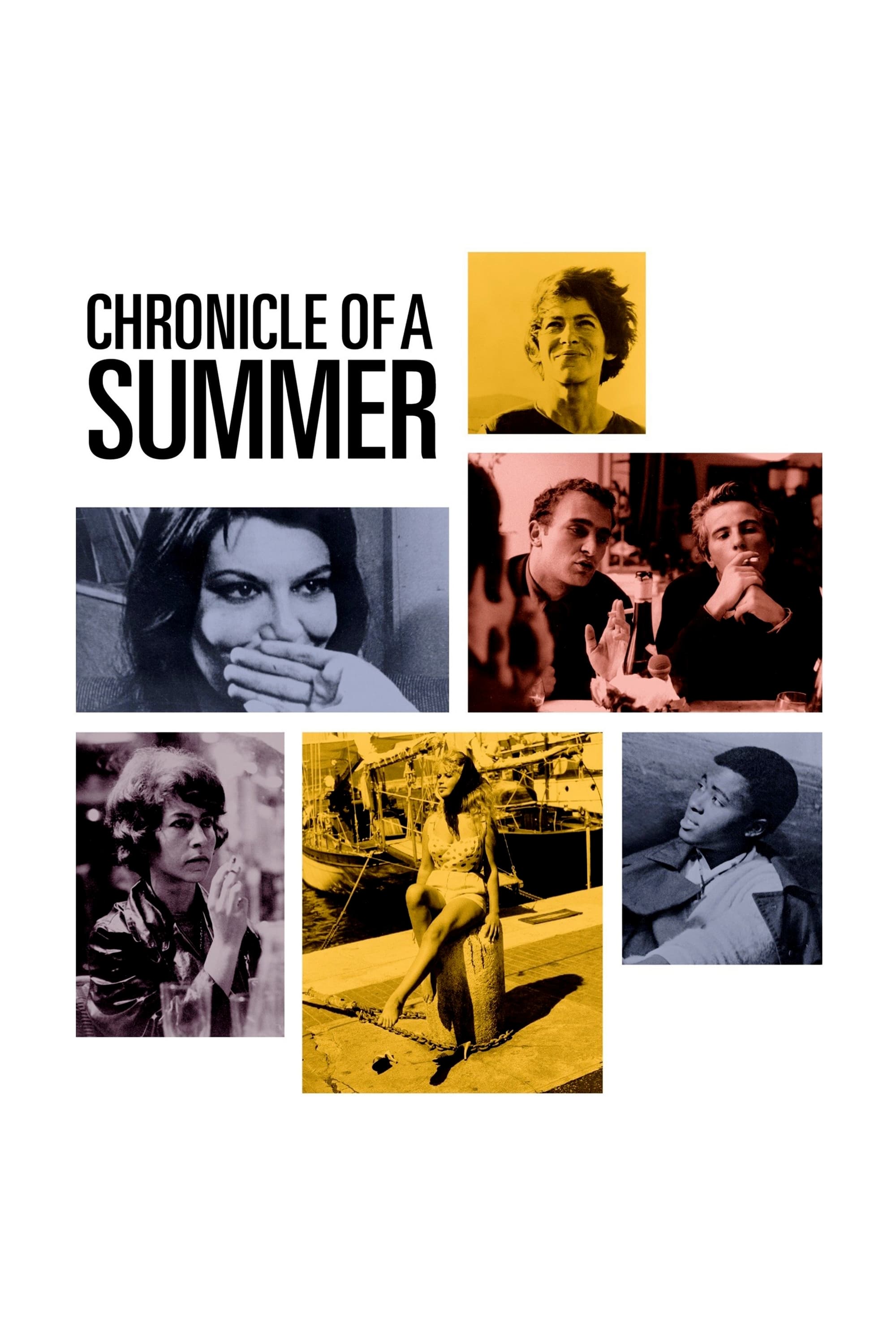
Chronicle of a Summer 1961
Documentary
Paris, summer 1960. Anthropologist and filmmaker Jean Rouch and sociologist and film critic Edgar Morin wander through the crowded streets asking passersby how they cope with life's misfortunes.
The sides of Chronicle of a Summer
- Passersby in Paris asked if they are happy
- Workers, students and friends talking about their lives
- Paris and Saint-Tropez in the summer of 1960
Good for you if
- you like black and white films that invented a way of filming.
- you like long, honest conversations with ordinary people.
- you want to feel France in 1960, with the Algerian war in the background.
Bad for you if
- you won't read subtitles.
- you need momentum more than long conversations.
About: happiness · work · friendship · the human condition
78/52 2017
Documentary
The most famous murder scene in movie history comprises 78 camera settings and 52 cuts: the shower scene in Alfred Hitchcock's Psycho. 78/52 tells the story of the man behind the curtain and his greatest obsession.
The sides of 78/52
- The shower scene of Psycho
- 78 camera setups and 52 cuts
- Filmmakers and editors on Hitchcock
Good for you if
- you like learning how one scene from 1960 changed horror films.
- you like seeing how a single scene is built shot by shot.
- you like details you only catch frame by frame.
Bad for you if
- you can't watch the same stabbing scene over and over.
- you want a story with people, not one scene taken apart.
About: filmmaking · fear · craft
Side by Side 2012
Documentary
Since the invention of cinema, the standard format for recording moving images has been film. Over the past two decades, a new form of digital filmmaking has emerged, creating a groundbreaking evolution in the medium. Keanu Reeves explores the development of cinema and the impact of digital filmmaking via in-depth interviews with Hollywood masters, such as James Cameron, David Fincher, David Lynch, Christopher Nolan, Martin Scorsese, George Lucas, Steven Soderbergh, and many more.
The sides of Side by Side
- Keanu Reeves interviewing directors
- Film stock against digital cameras
- Nolan, Lynch and Cameron on how they shoot
Good for you if
- you care about how every frame is shot.
- you like hearing Nolan, Lynch and Scorsese argue film versus digital.
- you want to know how cinema changed when the cameras did.
Bad for you if
- you need things to happen, not an hour and a half of camera talk.
- you want people and their story, not a debate about sensors.
About: craft · change · cinema
Hearts of Darkness: A Filmmaker's Apocalypse 1991
Documentary
A chronicle of the production problems — including bad weather, actors' health, war near the filming locations, and more — which plagued the filming of Apocalypse Now, increasing costs and nearly destroying the life and career of Francis Ford Coppola.
The sides of Hearts of Darkness: A Filmmaker's Apocalypse
- The shoot of Apocalypse Now in the Philippines
- Footage filmed by Eleanor Coppola
- A typhoon, a heart attack and a director near breaking point
Good for you if
- you like seeing how a famous film almost never got made.
- you like watching Francis Ford Coppola stake everything on one film.
- you like the strange scenes of Brando improvising in the dark and Dennis Hopper rambling.
Bad for you if
- you want the battles of the film, not the chaos behind them.
- you find grainy 1970s home footage dated.
About: obsession · art · ego · madness
De Palma 2016
Documentary
An intimate conversation between filmmakers, chronicling De Palma’s 55-year career, his life, and his filmmaking process, with revealing anecdotes and, of course, a wealth of film clips.
The sides of De Palma
- Brian De Palma talking to the camera
- Clips from Carrie to Mission: Impossible
- Stories from Hollywood sets
Good for you if
- you like a director telling candid stories about his own films.
- you like a portrait of Brian De Palma the man, his family, his friends and his battles with studios.
- you like the thrillers of the 1970s and 1980s.
Bad for you if
- you can't stand the bloody clips from his films.
- you can't sit through two hours of one man talking.
About: filmmaking · ambition · Hollywood
Looking for Richard 1996
Documentary
Al Pacino's deeply-felt rumination on Shakespeare's significance and relevance to the modern world through interviews and an in-depth analysis of "Richard III."
The sides of Looking for Richard
- Al Pacino rehearsing Richard III
- Actors and scholars on Shakespeare
- New Yorkers asked about Shakespeare in the street
Good for you if
- you like Al Pacino playing Richard with relish.
- you love Shakespeare's language spoken out loud.
- you like the story of a king who kills his way to the throne.
Bad for you if
- you need momentum, not long talks about a play.
- you want the battles, not the rehearsals.
About: shakespeare · acting · ambition
No Direction Home: Bob Dylan 2005
Documentary
A chronicle of Bob Dylan's strange evolution between 1961 and 1966 from folk singer to protest singer to "voice of a generation" to rock star.
The sides of No Direction Home: Bob Dylan
- Bob Dylan from 1961 to 1966
- Greenwich Village folk clubs
- Fans booing when he goes electric
Good for you if
- you want to hear Dylan's songs as they were first played.
- you like the sixties, from the folk scene to the protest years.
- you like a life story told by the people who were there.
Bad for you if
- three and a half hours is too much for you.
- you find black and white footage from the sixties dated.
About: reinvention · fame · the voice of a generation
The Celluloid Closet 1996
Documentary
Exuberant, eye-opening movie that serves up a dazzling hundred-year history of the role of gay men and lesbians have had on the silver screen. Film contains fabulous footage from 120 films showing the changing face of cinema sexuality, from cruel stereotypes to covert love to the activist triumphs of the 1990s.
The sides of The Celluloid Closet
- A hundred years of gay characters on screen
- Clips from more than a hundred Hollywood films
- Actors and writers looking back
Good for you if
- you like seeing a century of Hollywood through one lens.
- you want actors and writers telling what was hidden in plain sight.
- you love classic Hollywood clips and the subtext between the lines.
Bad for you if
- you lose track when clips from over a hundred films go by one after another.
- you'd rather not revisit decades of gay characters mocked or killed off.
About: representation · censorship · identity
The Unknown Known 2013
Documentary
Former United States Secretary of Defense Donald Rumsfeld discusses his career in Washington D.C. from his days as a congressman in the early 1960s to planning the invasion of Iraq in 2003.
The sides of The Unknown Known
- Donald Rumsfeld facing the camera
- His thousands of office memos
- The road to the Iraq war
Good for you if
- you want to hear a man who ran the Pentagon explain himself.
- you like Errol Morris questioning someone who plays with words.
- you're fine ending a film without a clear answer about the man.
Bad for you if
- you need more than one man talking for an hour and a half.
- you'd rather not revisit the Iraq war through the man who planned it.
About: power · language · responsibility
Making Waves: The Art of Cinematic Sound 2019
Documentary
The history of cinematic sound, told by legendary sound designers and visionary filmmakers.
The sides of Making Waves: The Art of Cinematic Sound
- The sound designers behind Star Wars and Apocalypse Now
- Directors like Spielberg and Lucas talking about sound
- How a film's sound is built layer by layer
Good for you if
- you love the big-screen feeling and want to know where the sound comes from.
- you like a tour of cinema history from the first talkies onward.
- you like learning what to listen for the next time you rewatch a film.
Bad for you if
- you need one personal story, not a series of interviews.
- you find clips from silent films and early talkies dated.
About: craft · cinema · listening
The Fog of War 2003
Documentary
Former corporate whiz kid Robert McNamara was the controversial Secretary of Defense in the Kennedy and Johnson administrations, during the height of the Vietnam War. Augmented by archival footage and cabinet conversation recordings, Errol Morris gives the conflicted McNamara a platform on which he attempts to confront his and the U.S. government's actions in Southeast Asia in light of the horrors of modern warfare, the end of ideology and the punitive judgment of history.
The sides of The Fog of War
- Robert McNamara looking back at his life
- The Cuban missile crisis and Vietnam
- White House recordings
Good for you if
- you like hearing a man in power explain his own decisions.
- you want the Cold War told from inside the room.
- you want to think about how wars are decided and why they go wrong.
Bad for you if
- you want a clear verdict on McNamara, and the film leaves you to judge him.
- you need momentum, and this is one man talking to the camera.
About: responsibility · war · memory · power
Lost in La Mancha 2002
Documentary
Fulton and Pepe's 2000 documentary captures Terry Gilliam's attempt to get The Man Who Killed Don Quixote off the ground. Back injuries, freakish storms, and more zoom in to sabotage the project.
The sides of Lost in La Mancha
- Terry Gilliam shooting Don Quixote in Spain
- A flash flood on the set
- A lead actor too injured to ride
Good for you if
- you like watching a real film shoot fall apart day by day.
- you can laugh when storms, jets overhead and bad luck all pile up.
- you like Terry Gilliam holding on to a dream he can't let go.
Bad for you if
- you need some hope, and can't watch a man's dream project crumble around him.
- you need momentum. Much of the film is meetings, fittings and waiting for actors before the cameras roll.
About: ambition · failure · filmmaking
The Century of the Self 2002
Documentary
The legacy of famed psychoanalyst Sigmund Freud informs the lives of people throughout the world even to this day, though it's a phenomenon to which most are unaware. The film is an exhaustive examination of his theories on human desire, and how they're applied to platforms such as advertising, consumerism and politics.
The sides of The Century of the Self
- Freud's nephew inventing public relations
- Advertising that sells to our desires
- Politicians governing by focus group
Good for you if
- you like learning how Freud's ideas shaped advertising and politics.
- you like the true story of Edward Bernays turning his uncle's theories into marketing.
- you like a century of history told through archive footage.
Bad for you if
- four hours of archive and interviews is too much for you.
- you find grainy old archive footage dated.
About: consumerism · desire · democracy
The Pervert's Guide to Cinema 2006
Documentary
A hilarious introduction, using as examples some of the best films ever made, to some of Slovenian philosopher and psychoanalyst Slavoj Žižek's most exciting ideas on personal subjectivity, fantasy and reality, desire and sexuality.
The sides of The Pervert's Guide to Cinema
- Slavoj Žižek talking through famous films
- Rebuilt sets from Hitchcock and Lynch films
- Psychoanalysis applied to desire and fantasy
Good for you if
- you like an excited philosopher talking nonstop about movies.
- you like strange readings of Psycho, The Birds and Blue Velvet.
- you love classic Hollywood and want to see it with new eyes.
Bad for you if
- two and a half hours of lecture is too much for you.
- you need a story with people to follow, not one man talking over film clips.
About: desire · fantasy · cinema
The Mystery of Marilyn Monroe: The Unheard Tapes 2022
Documentary
This documentary explores the mystery surrounding the death of movie icon Marilyn Monroe through previously unheard interviews with her inner circle.
The sides of The Mystery of Marilyn Monroe: The Unheard Tapes
- Unheard interviews with Marilyn's inner circle
- The night of her death in 1962
- Hollywood stardom and its price
Good for you if
- you like hearing the people who actually knew Marilyn Monroe.
- you want to go back over the questions around her death.
- you like old Hollywood told through archive footage.
Bad for you if
- you'd rather not dwell on a lonely death and a troubled life.
- you need a clear answer, not theories.
About: fame · loneliness · secrets
Bombshell: The Hedy Lamarr Story 2018
Documentary
The life and career of the hailed Hollywood movie star and underappreciated genius inventor, Hedy Lamarr.
The sides of Bombshell: The Hedy Lamarr Story
- A Hollywood star who was also an inventor
- A wartime patent for radio frequency hopping
- Her own voice on rediscovered tapes
Good for you if
- you like learning that a Hollywood star co-invented frequency hopping.
- you like a life that crosses Vienna in the 1930s and Hollywood in the 1940s.
- you like a portrait of a woman nobody took seriously beyond her face.
Bad for you if
- you need more than interviews and archive clips.
- you find old Hollywood archive footage dated.
About: genius · beauty · recognition