¿Qué quieres ver esta noche?
Cada título dice para quién es bueno y para quién no. Toca lo que quieres esta noche, o di que no a uno y por qué.
Lo más cercano a Love Meetings primero
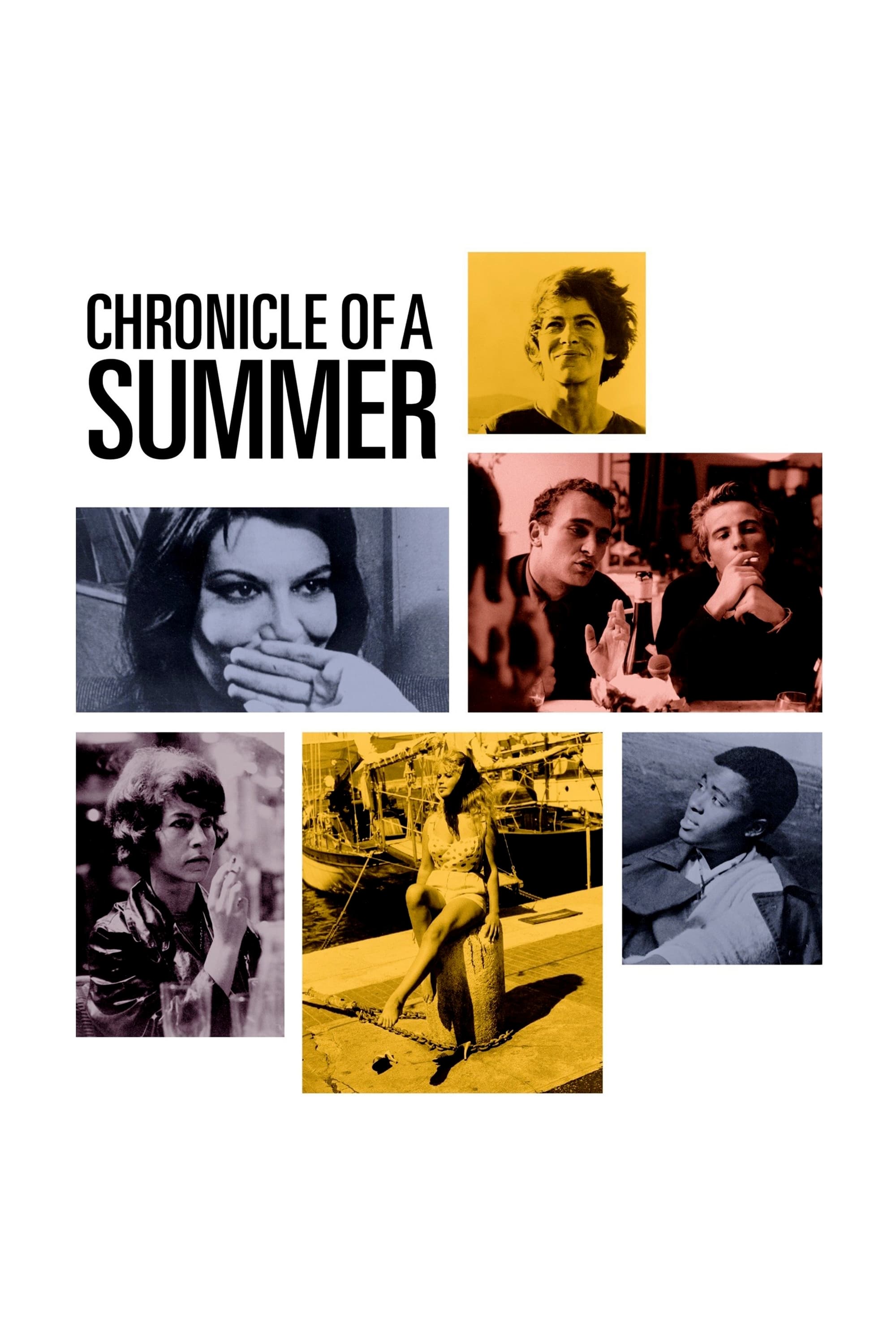
Chronicle of a Summer 1961
Documentary
Paris, summer 1960. Anthropologist and filmmaker Jean Rouch and sociologist and film critic Edgar Morin wander through the crowded streets asking passersby how they cope with life's misfortunes.
The sides of Chronicle of a Summer
- Passersby in Paris asked if they are happy
- Workers, students and friends talking about their lives
- Paris and Saint-Tropez in the summer of 1960
Good for you if
- you like black and white films that invented a way of filming.
- you like long, honest conversations with ordinary people.
- you want to feel France in 1960, with the Algerian war in the background.
Bad for you if
- you won't read subtitles.
- you need momentum more than long conversations.
About: happiness · work · friendship · the human condition
Salesman 1969
Documentary
This documentary from Albert and David Maysles follows the bitter rivalry of four door-to-door salesmen working for the Mid-American Bible Company: Paul "The Badger" Brennan, Charles "The Gipper" McDevitt, James "The Rabbit" Baker and Raymond "The Bull" Martos. Times are tough for this hard-living quartet, who spend their days traveling through small-town America, trying their best to peddle gold-leaf Bibles to an apathetic crowd of lower-middle-class housewives and elderly couples.
The sides of Salesman
- Four Bible salesmen on the road
- Sales pitches in working-class living rooms
- Motel rooms between visits
Good for you if
- you like watching real door-to-door salesmen at work in 1960s America.
- you like following Paul Brennan as his pitch stops working.
- you enjoy black and white documentaries from the sixties.
Bad for you if
- you need more happening than sales pitches in living rooms.
- you need music to carry a film. There's no score and no narrator, just the salesmen talking.
About: work · failure · the American dream

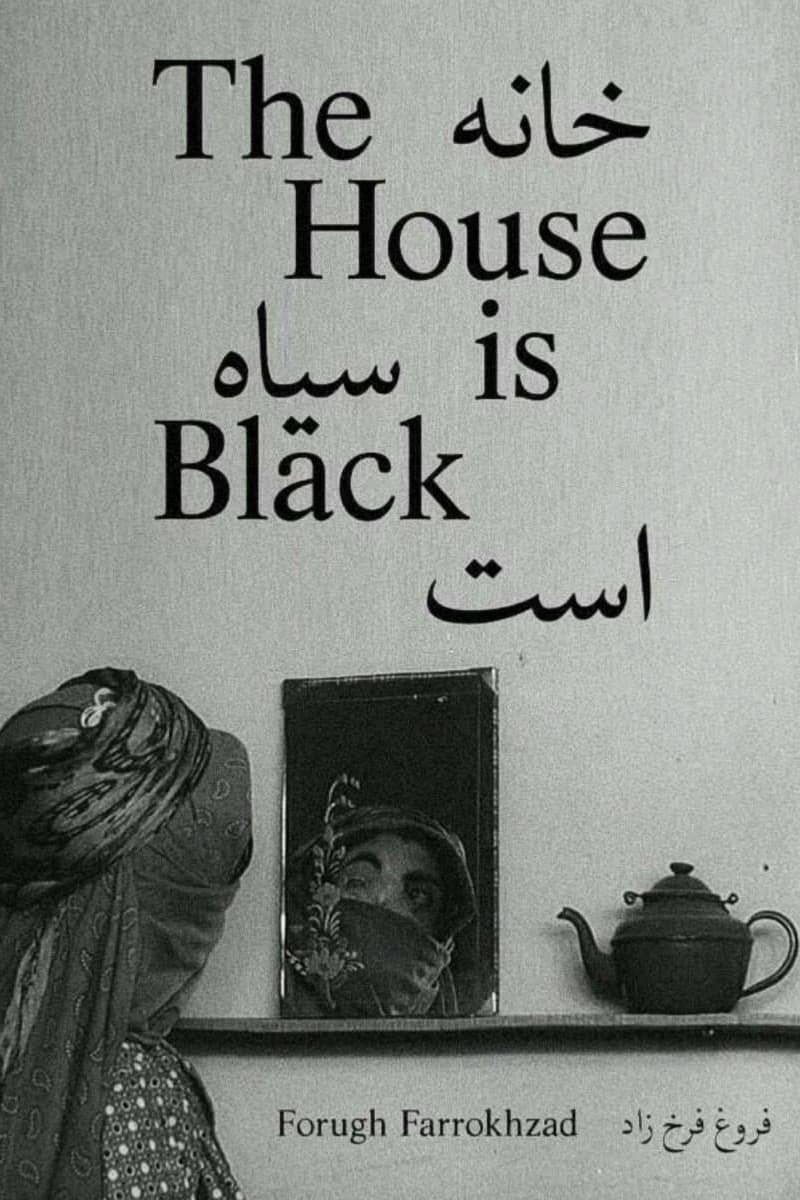
The House Is Black 1963
Documentary
Set in a leper colony in the north of Iran, The House is Black juxtaposes "ugliness," of which there is much in the world as stated in the opening scenes, with religion and gratitude.
The sides of The House Is Black
- A leper colony in northern Iran
- Poetry read over the images
- Children at school in the colony
Good for you if
- you like black and white images that stay with you.
- you have twenty minutes, not two hours.
- you want to see real lives most people never look at.
Bad for you if
- you'd rather not see illness and disfigurement up close.
- you find black and white films from the sixties dated.
- you won't read subtitles over Persian poetry.
About: suffering · faith · dignity
Caesar Must Die 2012
Documentary
Inmates at a prison in Rome rehearse for a performance of Shakespeare's Julius Caesar.
The sides of Caesar Must Die
- Prisoners rehearsing Julius Caesar
- A high-security prison in Rome
- Shakespeare's lines in real inmates' mouths
Good for you if
- you like real inmates playing Brutus and Caesar with everything they have.
- you like stark black and white images of prison corridors turned into a stage.
- you want to see how Shakespeare's betrayals echo the lives of men serving long sentences.
Bad for you if
- you won't read subtitles for an Italian film.
- you find black and white images dated.
About: freedom · betrayal · art
Shoah 1985
Documentary
Director Claude Lanzmann spent 11 years on this sprawling documentary about the Holocaust, conducting his own interviews and refusing to use a single frame of archival footage. Dividing Holocaust witnesses into three categories – survivors, bystanders, and perpetrators – Lanzmann presents testimonies from survivors of the Chelmno concentration camp, an Auschwitz escapee, and witnesses of the Warsaw Ghetto Uprising, as well as a chilling report of gas chambers from an SS officer at Treblinka.
The sides of Shoah
- Survivors, bystanders and perpetrators interviewed
- The sites of the camps filmed decades later
- No archive footage at all
Good for you if
- you want the Holocaust told by those who were there.
- you can sit with long silences and slow train journeys.
- you can be moved to tears by a barber breaking down as he recalls Treblinka.
Bad for you if
- you can't give more than nine hours to one film.
- you won't read subtitles, and the film moves between many languages.
- you can't hear first-hand accounts of mass murder.
About: memory · testimony · genocide
Time 2020
Documentary
Fox Rich, indomitable matriarch and modern-day abolitionist, strives to keep her family together while fighting for the release of her incarcerated husband. An intimate, epic, and unconventional love story, filmed over two decades.
The sides of Time
- A wife fighting for her husband's release
- Home videos filmed over two decades
- Six sons growing up without their father at home
Good for you if
- you want a true story about a family and the prison system.
- you like Fox Rich holding her family together for twenty years.
- you like black and white images that make home videos feel like memory.
Bad for you if
- you need momentum more than a patient portrait.
- you find black and white hard to sit through.
About: waiting · love · justice
Titicut Follies 1967
Documentary
Employing methods of direct cinema–observation, limited stylization, and non-intervention–this stark look into the State Prison for the Criminally Insane in Bridgewater, Massachusetts shows its denizens, who were often kept in barren cells and infrequently bathed, forced to strip naked publicly, force feeding, and the indifference and bullying by many of the hospital's staff.
The sides of Titicut Follies
- Bridgewater State Hospital in 1967
- Patients and guards with no narration
- A variety show put on by staff and inmates
Good for you if
- you want to see a real prison hospital with no narrator telling you what to think.
- you like raw black and white footage from the 1960s.
- you want to see what total power over patients looks like.
Bad for you if
- you can't watch patients stripped, mocked and force fed.
- you need some hope by the end.
About: confinement · dignity · cruelty
Night and Fog 1956
Documentary
Filmmaker Alain Resnais documents the atrocities behind the walls of Hitler's concentration camps.
The sides of Night and Fog
- The grass grown back over Auschwitz ten years after
- Archive film and photographs from the camps
- A commentary written by a deported poet
Good for you if
- you want the camps documented a decade after, while the sites were still standing.
- you want the record itself, the archives and the places as they were left.
- you can face what was done there, stated plainly.
Bad for you if
- you can't look at archive images of the dead and the survivors of the camps.
- you need a film to leave you some hope, and this one closes by asking who is still keeping watch.
About: the camps · memory · war
The Look of Silence 2014
Documentary
An Indonesian man with a communist background named Ramli was brutally murdered when the "Communist" purge occurred in 1965. His remaining family members lived in fear and silence until the making of this documentary. Adi, a brother of his, decided to revisit the horrific incident and visited the men who were responsible for the killings and one survivor of the purge. These meetings uncovered sadistic details of the murders and exposed raw emotions and reactions of the killers' family members about what happened in the past - much to Adi's disappointment.
The sides of The Look of Silence
- A man facing those who killed his brother
- Eye tests as a way into conversations
- Indonesia's 1965 killings
Good for you if
- you want to see a family ask the questions it was never allowed to ask.
- you want to understand a mass killing that is rarely talked about.
- you like quiet, patient conversations that say a lot.
Bad for you if
- you can't bear to hear killers calmly describe what they did.
- you won't read subtitles for a film in Indonesian.
About: guilt · memory · justice · grief
Bob Dylan – Don't Look Back 1967
Documentary
In this wildly entertaining vision of one of the twentieth century’s greatest artists, Bob Dylan is surrounded by teen fans, gets into heated philosophical jousts with journalists, and kicks back with fellow musicians Joan Baez, Donovan, and Alan Price.
The sides of Bob Dylan – Don't Look Back
- Bob Dylan on tour in England in 1965
- Cue cards dropped one by one
- Joan Baez and Donovan in hotel rooms
Good for you if
- you want young Dylan playing alone with a guitar and a harmonica.
- you like a black and white film shot on the fly.
- you can't look away from Dylan sparring with journalists.
Bad for you if
- you need a story that moves, not a camera that just follows.
- you want an artist who opens up, not one who mocks every question.
About: fame · youth · the press
Fire at Sea 2016
Documentary
Capturing life on the Italian island of Lampedusa, a frontline in the European migrant crisis.
The sides of Fire at Sea
- The island of Lampedusa
- A boy named Samuele with a slingshot
- A doctor caring for migrants rescued at sea
Good for you if
- you want to see the migrant crisis from the island where boats arrive.
- you like a documentary with no narration and long, quiet scenes.
- you like Samuele's everyday island life set beside the rescues at sea.
Bad for you if
- you won't read subtitles for a film in Italian.
- you can't watch the dead and the dying on rescued boats.
About: migration · indifference · childhood
Land Without Bread 1933
Documentary
An exploration —manipulated and staged— of life in Las Hurdes, in the province of Cáceres, in Extremadura, Spain, as it was in 1932. Insalubrity, misery and lack of opportunities provoke the emigration of young people and the solitude of those who remain in the desolation of one of the poorest and least developed Spanish regions at that time.
The sides of Land Without Bread
- Villages of Las Hurdes in 1932
- Luis Buñuel behind the camera
- Poverty filmed with a cold narrator
Good for you if
- you like Buñuel turning a documentary into something strange.
- you can take a film about misery with no comfort offered.
- you want to see rural Spain before the civil war.
Bad for you if
- you can't watch sick children and animals dying on screen.
- you can't take a narrator's dry irony over real people's suffering.
- you find films from the 1930s dated.
About: poverty · isolation · the gaze of outsiders
Santiago, Italia 2018
Documentary
After the coup d'État of the Democratic government of Allende, the embassy of Italy in Santiago played a major role in helping the opposers of the regime, and extradited many of them to Italy.
The sides of Santiago, Italia
- The 1973 coup against Allende in Chile
- An embassy that took in people fleeing the regime
- Refugees remembering their new life in Italy
Good for you if
- you want to understand what happened in Santiago in 1973.
- you like hearing the people who lived it tell it themselves.
- you're drawn to how ordinary diplomats stood up to a dictatorship.
Bad for you if
- you won't read subtitles for a film in Italian and Spanish.
- you can't sit through testimonies of arrests and torture.
About: exile · dictatorship · solidarity
Disclosure 2020
Documentary
An investigation of how Hollywood's fabled stories have deeply influenced how Americans feel about transgender people, and how transgender people have been taught to feel about themselves.
The sides of Disclosure
- Trans actors and writers talking about the screen
- Decades of film and TV clips
- How Hollywood shaped the way people see trans lives
Good for you if
- you want trans people telling their own story of growing up with Hollywood.
- you like tracing a century of film and TV images.
- you like being moved by people recalling what the screen did to them.
Bad for you if
- you can't sit through cruel jokes and painful scenes being replayed.
- you'd rather keep your distance from heartfelt, personal testimony.
About: representation · identity · media
Best of Enemies 2015
Documentary
A documentary about the legendary series of nationally televised debates in 1968 between two great public intellectuals, the liberal Gore Vidal and the conservative William F. Buckley Jr. Intended as commentary on the issues of their day, these vitriolic and explosive encounters came to define the modern era of public discourse in the media, marking the big bang moment of our contemporary media landscape when spectacle trumped content and argument replaced substance. Best of Enemies delves into the entangled biographies of these two great thinkers, and luxuriates in the language and the theater of their debates, begging the question, "What has television done to the way we discuss politics in our democracy today?"
The sides of Best of Enemies
- Gore Vidal against William F. Buckley Jr.
- Televised debates during the 1968 conventions
- A night when the insults went live
Good for you if
- you love two brilliant speakers trading cutting lines.
- you like politics as a duel, the liberal Vidal against the conservative Buckley.
- you're drawn to 1968 America, Miami and Chicago.
Bad for you if
- you need something to look at, not archive footage of two men seated in a TV studio.
- you find grainy sixties TV footage dated.
About: politics · television · rivalry

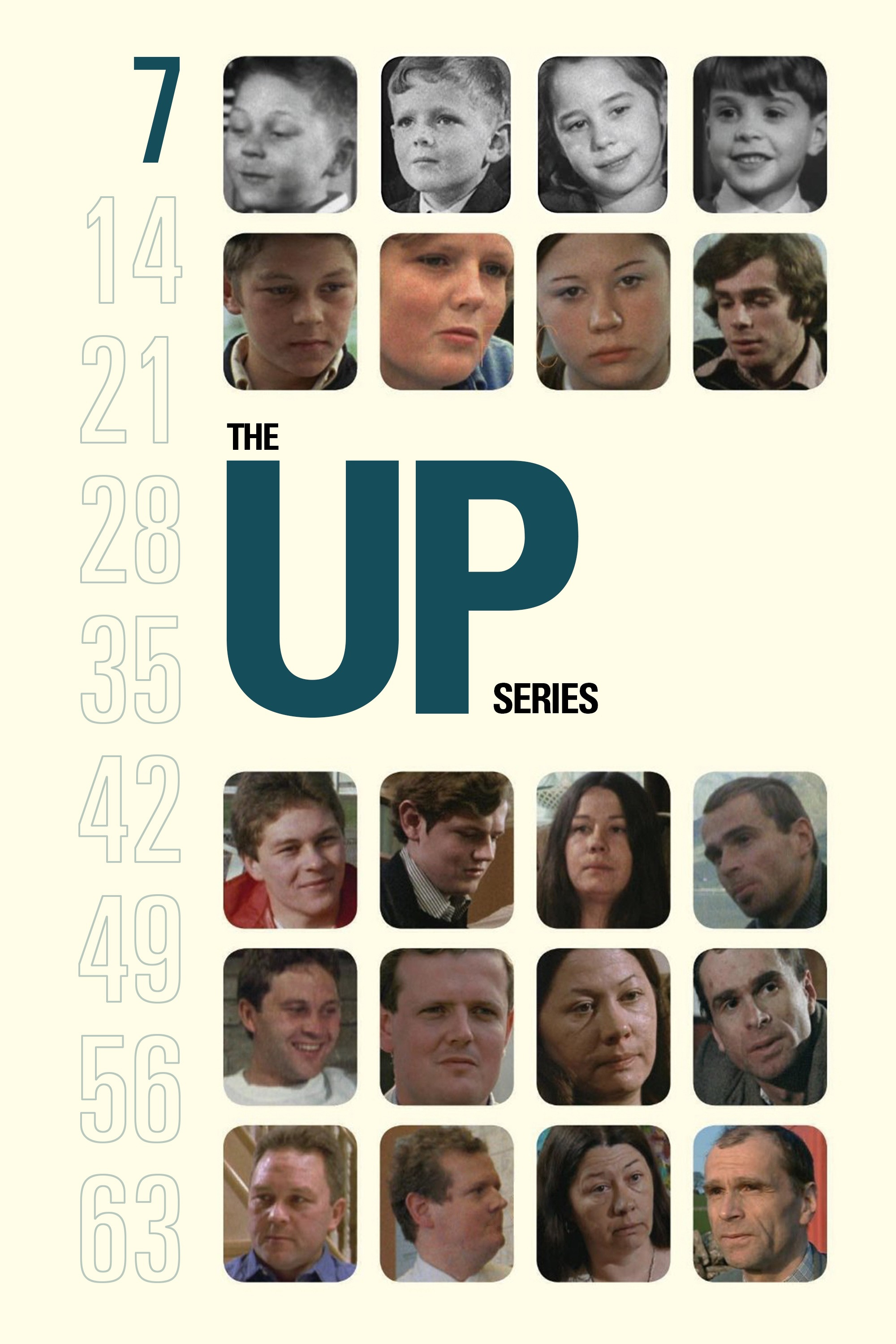
Seven Up! 1985
Documentary
A group of British children aged 7 from widely ranging backgrounds are interviewed about a range of subjects. The filmmakers plan to re-interview them at 7 year intervals to track how their lives and attitudes change as they age.
The sides of Seven Up!
- Fourteen British children aged seven
- Kids from rich and poor backgrounds
- The first film of a series that returns every seven years
Good for you if
- you like real children talking honestly about money, school and the future.
- you like seeing where lives begin before you watch them grow.
- you like small portraits of very different kids.
Bad for you if
- you find 1960s black and white footage dated.
- you want to know how their lives turn out, and this first film leaves them at seven.
About: class · childhood · destiny
Honeyland 2019
Documentary
When nomadic beekeepers break Honeyland’s basic rule (take half of the honey, but leave half to the bees), the last female beehunter in Europe must save the bees and restore natural balance.
The sides of Honeyland
- Hatidze, a wild beekeeper in North Macedonia
- Her old, bedridden mother
- A nomadic family moving in next door
Good for you if
- you like bees, rocks and light in a remote Balkan valley.
- you like a real life filmed over three years, with no narrator.
- you're moved by Hatidze caring for her mother alone.
Bad for you if
- you won't read subtitles.
- you need momentum. The film follows the bees season by season.
About: balance · solitude · greed
The Gleaners and I 2000
Documentary
Varda focuses her eye on gleaners: those who scour already-reaped fields for the odd potato or turnip. Her investigation leads from forgotten corners of the French countryside to off-hours at the green markets of Paris, following those who insist on finding a use for that which society has cast off, whether out of necessity or activism.
The sides of The Gleaners and I
- Agnès Varda with a small digital camera
- People picking up what fields and markets leave behind
- Heart shaped potatoes
Good for you if
- you like meeting real people who live off what others throw away.
- you like Varda herself, filming her own hands and her own age.
- you want a gentle, curious film that wanders where it likes.
Bad for you if
- you won't read subtitles to hear Varda and the gleaners talk in French.
- you need momentum. Varda stops to film trucks on the road and a clock with no hands.
About: waste · ageing · what we keep

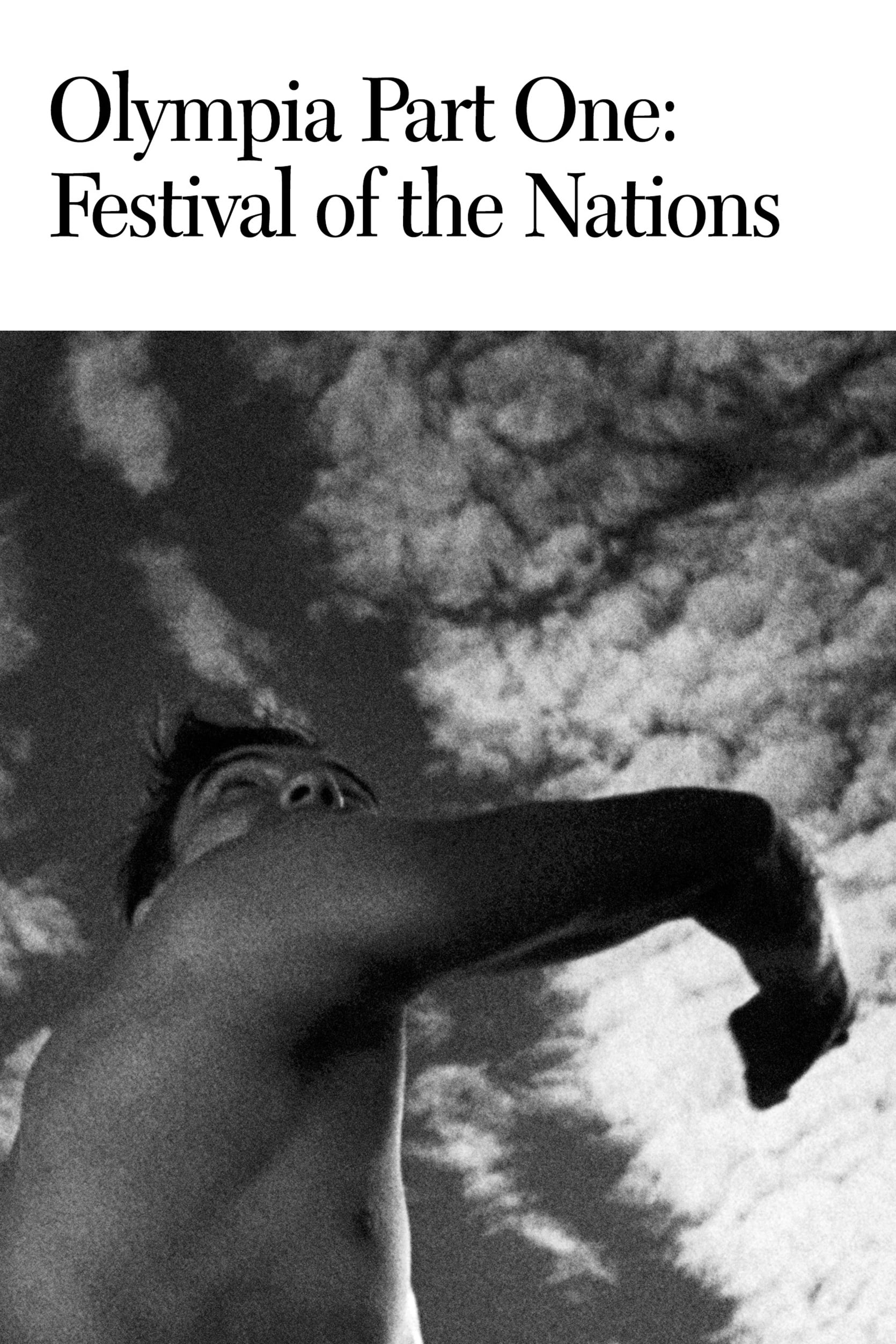
Olympia Part One: Festival of the Nations 1938
Documentary
Starting with a long and lyrical overture, evoking the origins of the Olympic Games in ancient Greece, Riefenstahl covers twenty-one athletic events in the first half of this two-part love letter to the human body and spirit, culminating with the marathon, where Jesse Owens became the first track and field athlete to win four gold medals in a single Olympics.
The sides of Olympia Part One: Festival of the Nations
- The 1936 Berlin Olympics
- Jesse Owens winning four gold medals
- A film made for the Nazi regime
Good for you if
- you like Leni Riefenstahl's camera angles that shaped how sport is filmed.
- you like watching athletes in motion, event after event.
- you want to see how the Nazi regime staged the 1936 Games.
Bad for you if
- you find black and white films from the 1930s dated.
- you won't read subtitles for German narration.
About: propaganda · the body · competition
Dark Days 2000
Documentary
A cinematic portrait of the homeless population who live permanently in the underground tunnels of New York City.
The sides of Dark Days
- People living in the train tunnels under New York
- Shacks built in the dark beside the tracks
- A crew made up of the tunnel residents
Good for you if
- you want to see how people really lived under Manhattan.
- you like hearing people tell their own lives with humour and honesty.
- you like a DJ Shadow score under grainy images.
Bad for you if
- you can't watch addiction and poverty up close.
- you find grainy black and white footage hard to watch.
About: homelessness · dignity · community