Saltar al contenido principal

¿Qué quieres ver esta noche?

Cada título dice para quién es bueno y para quién no. Toca lo que quieres esta noche, o di que no a uno y por qué.

Lo más cercano a Passage of Venus primero

  1. Man with a Movie Camera 1929

    Documentary

    A cameraman wanders around with a camera slung over his shoulder, documenting urban life with dazzling inventiveness.

    The sides of Man with a Movie Camera

    • A cameraman filming Soviet cities in the 1920s
    • A day of city life from waking to work to play
    • Split screens, slow motion and fast cuts

    Good for you if

    • you like seeing camera tricks invented before your grandparents were born.
    • you like silent black and white film.
    • you like the thrill of trams, factories and crowds cut to a rhythm.

    Bad for you if

    • you need a story and people to follow. There is no plot and no actor.
    • you need words. It is silent, with no intertitles.

    About: the city · modernity · cinema itself

    Explora sus caras
  2. Down the gangway, photographers leave the deck of a riverboat in large numbers.

    The sides of The Photographical Congress Arrives in Lyon

    • Photographers walking off a riverboat
    • A single fixed shot
    • Lyon in 1895

    Good for you if

    • you love the very first films, shot by the Lumière brothers.
    • you like seeing real people in Lyon in 1895.

    Bad for you if

    • you need sound. This is a silent minute from 1895.
    • you want something to happen beyond people stepping off a boat.

    About: the birth of cinema · photography
    Explora sus caras
  3. Carl Sagan covers a wide range of scientific subjects, including the origin of life and a perspective of our place in the universe.

    The sides of Cosmos: A Personal Voyage

    • Carl Sagan explaining the universe
    • The whole history of the cosmos on one calendar
    • A spaceship of the imagination

    Good for you if

    • you like feeling small in front of the age of the universe.
    • you like stars, planets and how we learned what they are.
    • you like a scientist who speaks about humanity with real feeling.

    Bad for you if

    • you find 1980 effects and pacing dated.
    • you need momentum. Carl Sagan takes his time, with long pauses on music and images of space.

    About: our place in the universe · science · humanity

    Explora sus caras
  4. Archival material from the original NASA film footage – much of it seen for the first time – plus interviews with the surviving astronauts, including Jim Lovell, Dave Scott, John Young, Gene Cernan, Mike Collins, Buzz Aldrin, Alan Bean, Edgar Mitchell, Charlie Duke and Harrison Schmitt.

    The sides of In the Shadow of the Moon

    • Apollo astronauts telling their own missions
    • NASA footage from the 1960s and 70s
    • The Earth seen from the Moon

    Good for you if

    • you like rockets, lunar landers and the Apollo program told by the men who flew it.
    • you like hearing astronauts describe seeing the whole Earth from far away.
    • you like the 1960s space race and the Cold War pressure behind it.

    Bad for you if

    • you want a space film with drama and spectacle, not interviews.
    • you find grainy archive footage from the 1960s dated.

    About: exploration · courage · the Cold War · awe

    Explora sus caras
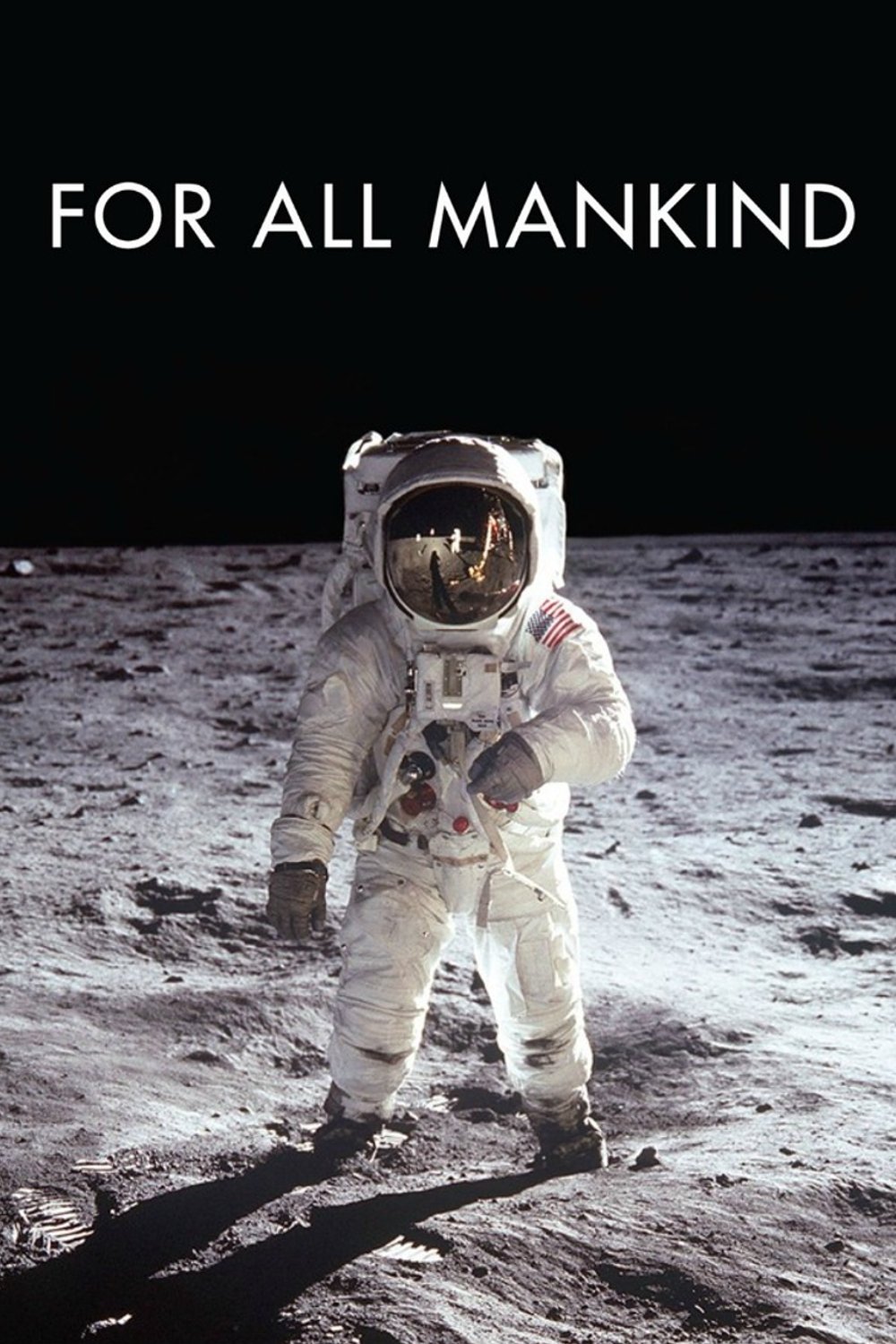
  5. For All Mankind 1989

    Documentary

    A testament to NASA's Apollo program of the 1960s and '70s. Composed of actual NASA footage of the missions and astronaut interviews, the documentary offers the viewpoint of the individuals who braved the remarkable journey to the moon and back.

    The sides of For All Mankind

    • NASA footage of the Apollo missions
    • Astronauts remembering in their own voices
    • A Brian Eno score

    Good for you if

    • you like the trip to the Moon told by the astronauts who made it.
    • you like seeing Earth from the Moon in real footage.
    • you like Brian Eno's ambient music over space images.

    Bad for you if

    • you need more drama than a calm, floating journey.
    • you find 1960s footage dated.

    About: exploration · awe · history
    Explora sus caras
  6. Nanook of the North 1922

    Documentary

    This pioneering documentary film depicts the lives of the indigenous Inuit people of Canada's northern Quebec region. Although the production contains some fictional elements, it vividly shows how its resourceful subjects survive in such a harsh climate, revealing how they construct their igloo homes and find food by hunting and fishing. The film also captures the beautiful, if unforgiving, frozen landscape of the Great White North, far removed from conventional civilization.

    The sides of Nanook of the North

    • An Inuit hunter and his family in northern Quebec
    • An igloo built by hand
    • A walrus hunt with harpoons

    Good for you if

    • you like the frozen landscapes of the far north.
    • you like watching people find food and shelter in deep cold.
    • you're curious about one of the very first documentaries.

    Bad for you if

    • you don't watch silent black and white films.
    • you need momentum. Whole minutes go to cutting snow blocks for an igloo.

    About: survival · family · the Arctic

    Explora sus caras
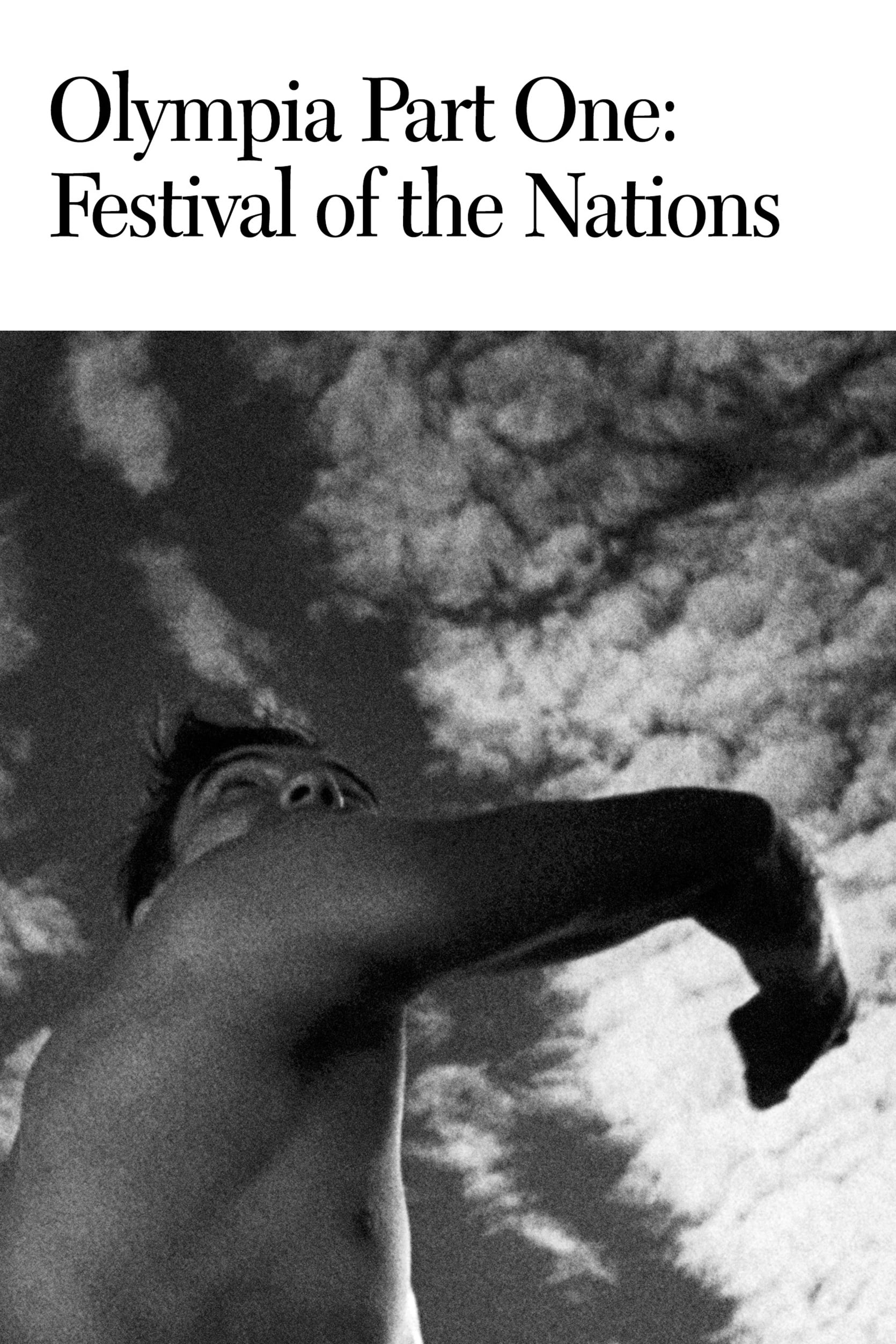
  7. Starting with a long and lyrical overture, evoking the origins of the Olympic Games in ancient Greece, Riefenstahl covers twenty-one athletic events in the first half of this two-part love letter to the human body and spirit, culminating with the marathon, where Jesse Owens became the first track and field athlete to win four gold medals in a single Olympics.

    The sides of Olympia Part One: Festival of the Nations

    • The 1936 Berlin Olympics
    • Jesse Owens winning four gold medals
    • A film made for the Nazi regime

    Good for you if

    • you like Leni Riefenstahl's camera angles that shaped how sport is filmed.
    • you like watching athletes in motion, event after event.
    • you want to see how the Nazi regime staged the 1936 Games.

    Bad for you if

    • you find black and white films from the 1930s dated.
    • you won't read subtitles for German narration.

    About: propaganda · the body · competition
    Explora sus caras
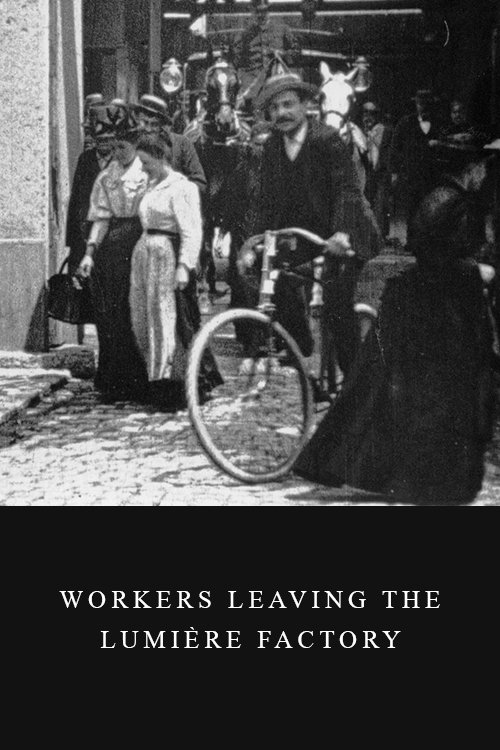
  8. “The workers leave the Lumière factory.” Workers pass through the gate of the Lumière factory and are followed by a carriage drawn by two horses.

    The sides of Workers Leaving the Lumière Factory

    • Workers walking out of a factory gate in Lyon
    • A horse-drawn carriage
    • Less than a minute of film

    Good for you if

    • you want to see one of the very first films ever shown.
    • you like seeing ordinary people from 1895 walk past the camera.

    Bad for you if

    • you want people with a story to follow.
    • you want a film for the evening. This one lasts under a minute.

    About: early cinema · work · everyday life
    Explora sus caras
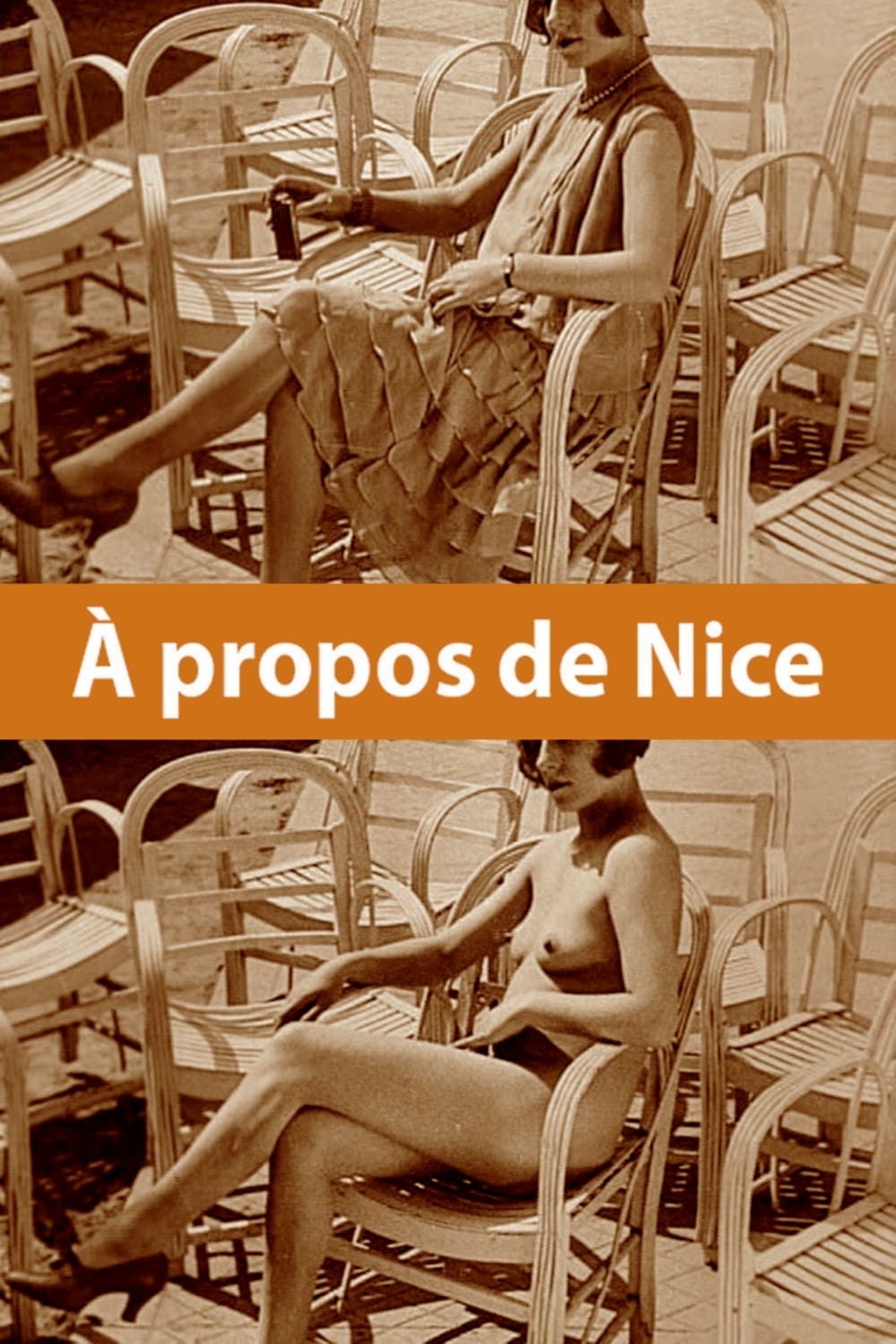
  9. À propos de Nice 1930

    Documentary

    What starts off as a conventional travelogue turns into a satirical portrait of the town of Nice on the French Côte d'Azur, especially its wealthy inhabitants.

    The sides of À propos de Nice

    • A silent portrait of Nice in 1930
    • Wealthy tourists on the Promenade
    • The poor streets behind the postcards

    Good for you if

    • you love silent films from 1930.
    • you like Jean Vigo's quick, mocking montage.
    • you want something under half an hour.

    Bad for you if

    • you're put off by avant-garde cutting. Vigo jumps from carnival floats to cemetery statues.
    • you want a person to follow, not a portrait of a town.

    About: wealth · class · the city

    Explora sus caras
  10. The Salt of the Earth 2014

    Documentary

    During the last forty years, the photographer Sebastião Salgado has been travelling through the continents, in the footsteps of an ever-changing humanity. He has witnessed the major events of our recent history: international conflicts, starvations and exodus… He is now embarking on the discovery of pristine territories, of the wild fauna and flora, of grandiose landscapes: a huge photographic project which is a tribute to the planet's beauty. Salgado's life and work are revealed to us by his son, Juliano, who went with him during his last journeys, and by Wim Wenders, a photographer himself.

    The sides of The Salt of the Earth

    • Forty years of photographs by one man
    • A gold mine crowded with thousands of workers
    • A dead family farm replanted into a forest

    Good for you if

    • you can look at black and white photographs for nearly two hours.
    • you want the man who took the pictures to tell you where he was standing.
    • you like whales, glaciers and a forest growing back.

    Bad for you if

    • you can't look at photographs of famine and massacre.
    • you won't read subtitles while the photographer speaks his own language.

    About: humanity · despair · renewal

    Explora sus caras
  11. Baby's Meal 1895

    Documentary

    A dad feeds his lunch to a baby.

    The sides of Baby's Meal

    • Auguste Lumière and his wife feeding their baby
    • A family meal in a garden
    • Less than a minute of film

    Good for you if

    • you want to see one of the first films ever shown.
    • you like a small family moment saved from 1895.
    • you want something gentle with nothing at stake.

    Bad for you if

    • you want people with a story to follow.
    • you need something to happen besides a baby eating.

    About: early cinema · parenthood · everyday life
    Explora sus caras
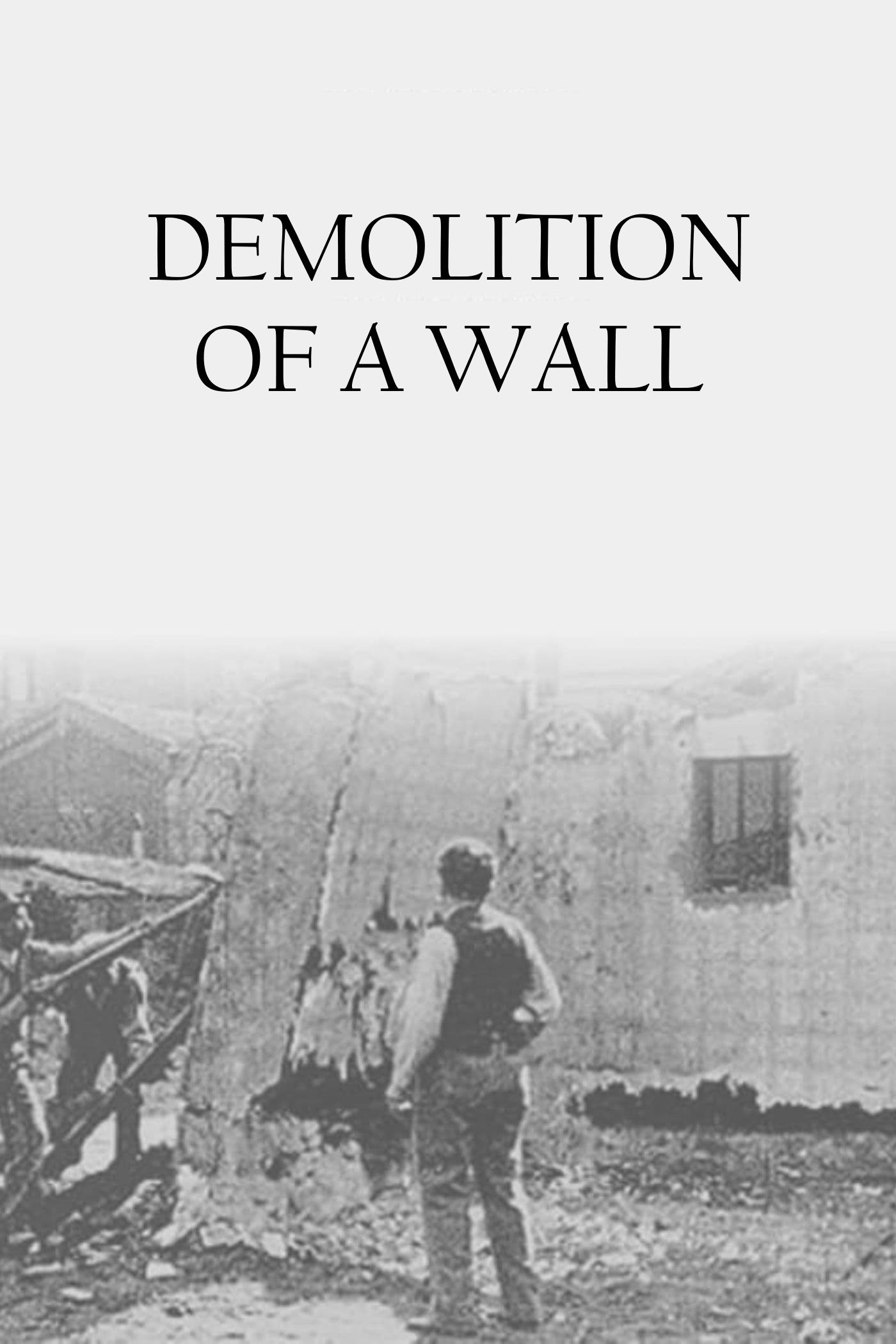
  12. Demolition of a Wall 1896

    Documentary

    “The scene depicts the collapse of a section of wall in a factory.” Three workers demolish a wall in the presence of Auguste Lumière.

    The sides of Demolition of a Wall

    • Three workers knocking down a factory wall
    • Auguste Lumière watching them
    • One minute of 1896

    Good for you if

    • you like the very first films ever shown.
    • you want to see ordinary work in 1896, filmed by the Lumières.

    Bad for you if

    • you need a story and people to follow.
    • you want words, and this is one silent minute.

    About: early cinema · work · time
    Explora sus caras
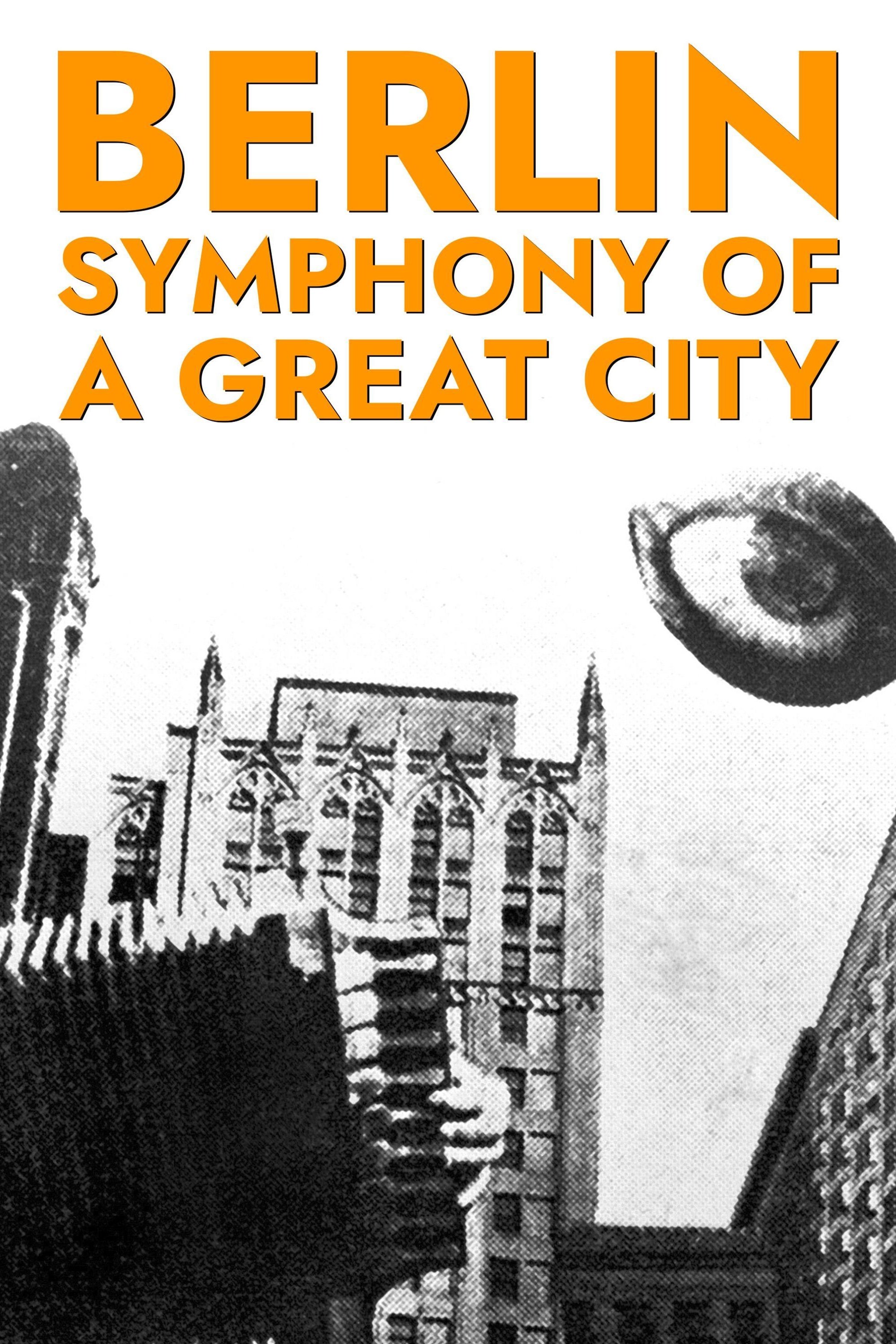
  13. A day in the city of Berlin, which experienced an industrial boom in the 1920s, and still provides an insight into the living and working conditions at that time. Germany had just recovered a little from the worst consequences of the First World War, the great economic crisis was still a few years away and Hitler was not yet an issue at the time.

    The sides of Berlin: Symphony of a Great City

    • One day in Berlin, from dawn to night
    • Trains, factories and crowded streets
    • Silent black and white images cut to a rhythm

    Good for you if

    • you like a city filmed like a machine, frame after frame.
    • you want to see Berlin as it really looked in 1927.
    • you want a silent film that's over in under seventy minutes.

    Bad for you if

    • you find silent black and white films dated.
    • you need people and a story to follow.

    About: the city · modern life · work
    Explora sus caras
  14. Titicut Follies 1967

    Documentary

    Employing methods of direct cinema–observation, limited stylization, and non-intervention–this stark look into the State Prison for the Criminally Insane in Bridgewater, Massachusetts shows its denizens, who were often kept in barren cells and infrequently bathed, forced to strip naked publicly, force feeding, and the indifference and bullying by many of the hospital's staff.

    The sides of Titicut Follies

    • Bridgewater State Hospital in 1967
    • Patients and guards with no narration
    • A variety show put on by staff and inmates

    Good for you if

    • you want to see a real prison hospital with no narrator telling you what to think.
    • you like raw black and white footage from the 1960s.
    • you want to see what total power over patients looks like.

    Bad for you if

    • you can't watch patients stripped, mocked and force fed.
    • you need some hope by the end.

    About: confinement · dignity · cruelty

    Explora sus caras
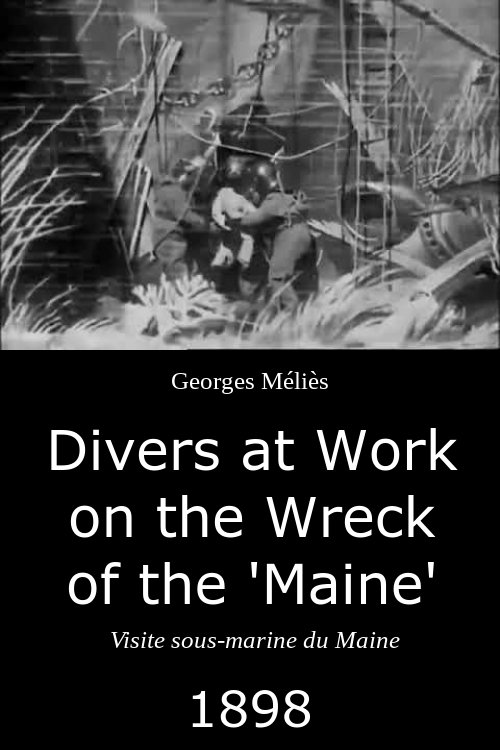
  15. Divers go to work on a wrecked ship (the battleship Maine that was blown up in Havana harbour during the Spanish-American War), surrounded by curiously disproportionate fish.

    The sides of Divers at Work on the Wreck of the "Maine"

    • Divers on a sunken battleship
    • Fish swimming past, oddly large
    • An 1898 underwater scene made in a studio

    Good for you if

    • you love the very first films, silent and from the 1890s.
    • you like odd little curiosities, like fish far too big next to the divers.
    • you're curious how cinema showed the news of the Maine in 1898.

    Bad for you if

    • you want a full evening, and this lasts about a minute.
    • you need people with a story to follow.

    About: early cinema · the sea · the news
    Explora sus caras
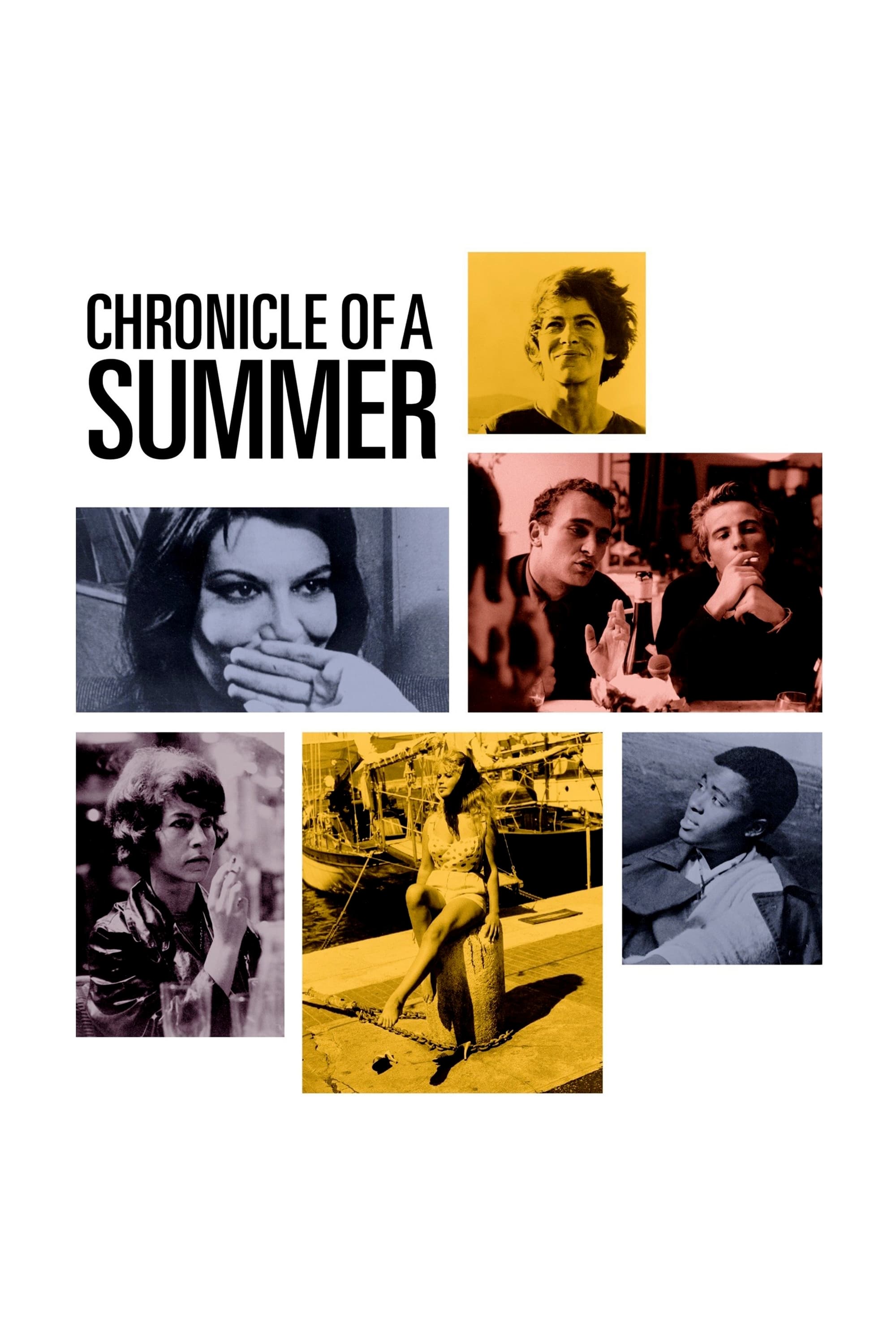
  16. Chronicle of a Summer 1961

    Documentary

    Paris, summer 1960. Anthropologist and filmmaker Jean Rouch and sociologist and film critic Edgar Morin wander through the crowded streets asking passersby how they cope with life's misfortunes.

    The sides of Chronicle of a Summer

    • Passersby in Paris asked if they are happy
    • Workers, students and friends talking about their lives
    • Paris and Saint-Tropez in the summer of 1960

    Good for you if

    • you like black and white films that invented a way of filming.
    • you like long, honest conversations with ordinary people.
    • you want to feel France in 1960, with the Algerian war in the background.

    Bad for you if

    • you won't read subtitles.
    • you need momentum more than long conversations.

    About: happiness · work · friendship · the human condition
    Explora sus caras
  17. Salesman 1969

    Documentary

    This documentary from Albert and David Maysles follows the bitter rivalry of four door-to-door salesmen working for the Mid-American Bible Company: Paul "The Badger" Brennan, Charles "The Gipper" McDevitt, James "The Rabbit" Baker and Raymond "The Bull" Martos. Times are tough for this hard-living quartet, who spend their days traveling through small-town America, trying their best to peddle gold-leaf Bibles to an apathetic crowd of lower-middle-class housewives and elderly couples.

    The sides of Salesman

    • Four Bible salesmen on the road
    • Sales pitches in working-class living rooms
    • Motel rooms between visits

    Good for you if

    • you like watching real door-to-door salesmen at work in 1960s America.
    • you like following Paul Brennan as his pitch stops working.
    • you enjoy black and white documentaries from the sixties.

    Bad for you if

    • you need more happening than sales pitches in living rooms.
    • you need music to carry a film. There's no score and no narrator, just the salesmen talking.

    About: work · failure · the American dream

    Explora sus caras
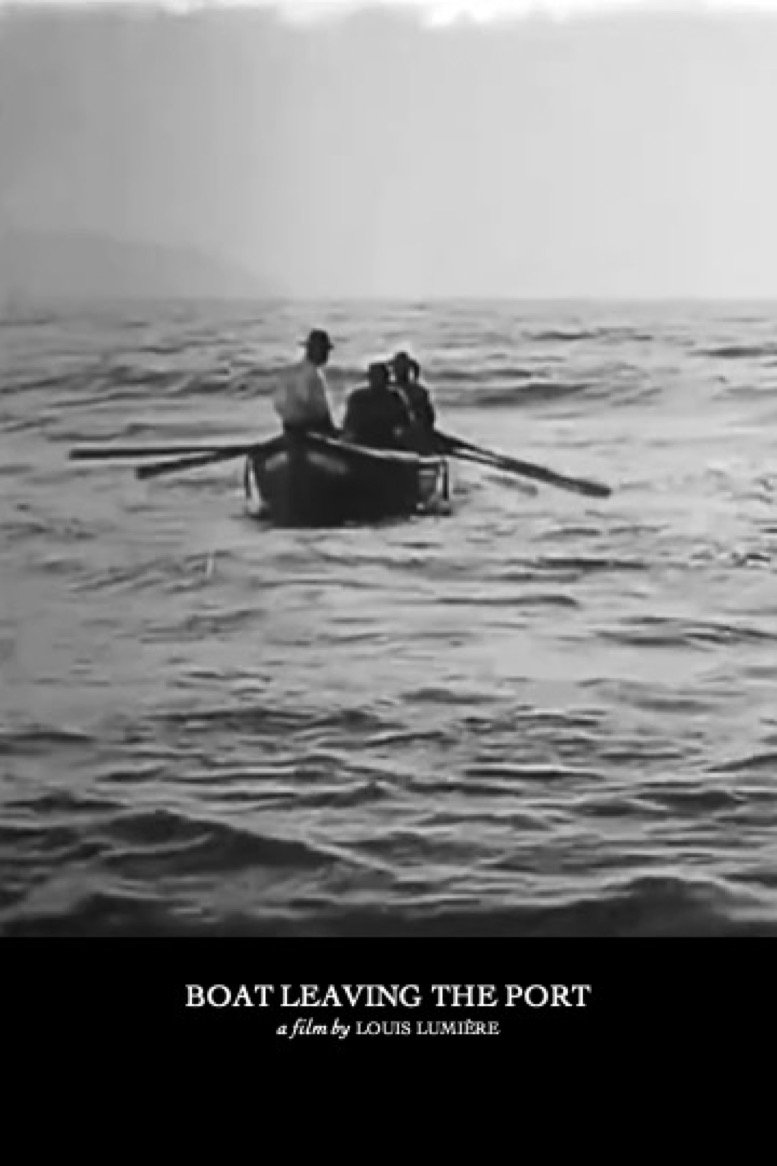
  18. Boat Leaving the Port 1895

    Documentary

    In very bad weather and a stormy sea, a small boat manned by two men is trying to leave the harbor of La Ciotat, while several people are watching them from the nearby pier.

    The sides of Boat Leaving the Port

    • A small rowing boat leaving La Ciotat
    • Two men against a rough sea
    • People watching from the pier

    Good for you if

    • you love the very first films shot by the Lumière brothers.
    • you want to see the harbour of La Ciotat as it was in 1895.
    • you want a film that lasts less than a minute.

    Bad for you if

    • you need people you get to know and a story to follow.
    • you need words, and this is one silent minute.

    About: the birth of cinema · the sea · everyday life

    Explora sus caras
  19. Cosmos 2014

    Documentary

    Famed astrophysicist Neil deGrasse Tyson provides clarity for the vision of the cosmos as he voyages across the universe with never-before-told stories that delve into the scientific concepts of the laws of gravity and the origins of space and time.

    The sides of Cosmos

    • The history of the universe compressed into one calendar year
    • A ship of the imagination
    • Scientists who changed how we see the sky

    Good for you if

    • you like feeling small in front of billions of years and galaxies.
    • you like black holes, the birth of stars and the size of the universe made visible.
    • you like the true stories of scientists like Newton or Clair Patterson.

    Bad for you if

    • you can't take the cartoon scenes that tell each scientist's story.
    • a narrator in awe of everything makes you roll your eyes.

    About: science · curiosity · time

    Explora sus caras
  20. Land Without Bread 1933

    Documentary

    An exploration —manipulated and staged— of life in Las Hurdes, in the province of Cáceres, in Extremadura, Spain, as it was in 1932. Insalubrity, misery and lack of opportunities provoke the emigration of young people and the solitude of those who remain in the desolation of one of the poorest and least developed Spanish regions at that time.

    The sides of Land Without Bread

    • Villages of Las Hurdes in 1932
    • Luis Buñuel behind the camera
    • Poverty filmed with a cold narrator

    Good for you if

    • you like Buñuel turning a documentary into something strange.
    • you can take a film about misery with no comfort offered.
    • you want to see rural Spain before the civil war.

    Bad for you if

    • you can't watch sick children and animals dying on screen.
    • you can't take a narrator's dry irony over real people's suffering.
    • you find films from the 1930s dated.

    About: poverty · isolation · the gaze of outsiders

    Explora sus caras