¿Qué quieres ver esta noche?
Cada título dice para quién es bueno y para quién no. Toca lo que quieres esta noche, o di que no a uno y por qué.
Lo más cercano a The Cutting Edge: The Magic of Movie Editing primero
78/52 2017
Documentary
The most famous murder scene in movie history comprises 78 camera settings and 52 cuts: the shower scene in Alfred Hitchcock's Psycho. 78/52 tells the story of the man behind the curtain and his greatest obsession.
The sides of 78/52
- The shower scene of Psycho
- 78 camera setups and 52 cuts
- Filmmakers and editors on Hitchcock
Good for you if
- you like learning how one scene from 1960 changed horror films.
- you like seeing how a single scene is built shot by shot.
- you like details you only catch frame by frame.
Bad for you if
- you can't watch the same stabbing scene over and over.
- you want a story with people, not one scene taken apart.
About: filmmaking · fear · craft

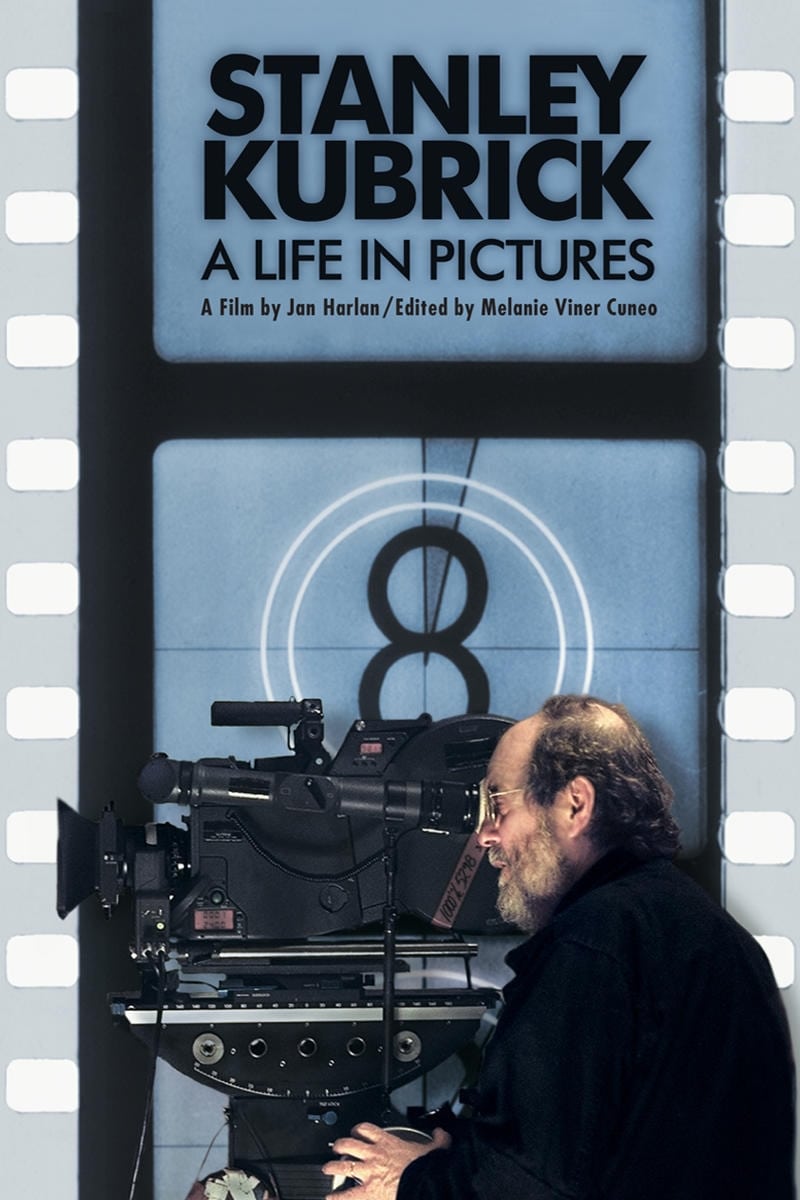
Stanley Kubrick - Ein Leben für den Film 2001
Documentary
With commentary from Hollywood stars, outtakes from his movies and footage from his youth, this documentary looks at Stanley Kubrick's life and films. Director Jan Harlan, Kubrick's brother-in-law and sometime collaborator, interviews heavyweights like Jack Nicholson, Woody Allen and Sydney Pollack, who explain the influence of Kubrick classics like "Dr. Strangelove" and "2001: A Space Odyssey," and how he absorbed visual clues from disposable culture such as television commercials.
The sides of Stanley Kubrick - Ein Leben für den Film
- Stanley Kubrick's life and films
- Interviews with Jack Nicholson and others who worked with him
- Home footage from his family
Good for you if
- you love Dr. Strangelove, 2001 and the films around them.
- you want to know the man behind the legend from people who knew him.
- you care about how every Kubrick frame was built.
Bad for you if
- you can't sit through almost two and a half hours of documentary.
- you need a story, not a career told in interviews.
About: obsession · creation · cinema
Side by Side 2012
Documentary
Since the invention of cinema, the standard format for recording moving images has been film. Over the past two decades, a new form of digital filmmaking has emerged, creating a groundbreaking evolution in the medium. Keanu Reeves explores the development of cinema and the impact of digital filmmaking via in-depth interviews with Hollywood masters, such as James Cameron, David Fincher, David Lynch, Christopher Nolan, Martin Scorsese, George Lucas, Steven Soderbergh, and many more.
The sides of Side by Side
- Keanu Reeves interviewing directors
- Film stock against digital cameras
- Nolan, Lynch and Cameron on how they shoot
Good for you if
- you care about how every frame is shot.
- you like hearing Nolan, Lynch and Scorsese argue film versus digital.
- you want to know how cinema changed when the cameras did.
Bad for you if
- you need things to happen, not an hour and a half of camera talk.
- you want people and their story, not a debate about sensors.
About: craft · change · cinema
Making Waves: The Art of Cinematic Sound 2019
Documentary
The history of cinematic sound, told by legendary sound designers and visionary filmmakers.
The sides of Making Waves: The Art of Cinematic Sound
- The sound designers behind Star Wars and Apocalypse Now
- Directors like Spielberg and Lucas talking about sound
- How a film's sound is built layer by layer
Good for you if
- you love the big-screen feeling and want to know where the sound comes from.
- you like a tour of cinema history from the first talkies onward.
- you like learning what to listen for the next time you rewatch a film.
Bad for you if
- you need one personal story, not a series of interviews.
- you find clips from silent films and early talkies dated.
About: craft · cinema · listening
Hitchcock/Truffaut 2015
Documentary
Filmmakers discuss the legacy of Alfred Hitchcock and the book “Hitchcock/Truffaut” (“Le cinéma selon Hitchcock”), written by François Truffaut and published in 1966.
The sides of Hitchcock/Truffaut
- Recordings of Hitchcock talking with Truffaut
- Scorsese, Fincher and others on Hitchcock
- Clips from Vertigo and Psycho
Good for you if
- you love Hitchcock's classics and want to see them again.
- you like two directors talking shop about how a scene works.
- you like hearing filmmakers explain what they learned from one book.
Bad for you if
- you want the private life of Hitchcock the man. This is about how he built his scenes.
- you'd rather feel the suspense of Psycho than hear how it was made.
About: filmmaking · suspense · influence
Hearts of Darkness: A Filmmaker's Apocalypse 1991
Documentary
A chronicle of the production problems — including bad weather, actors' health, war near the filming locations, and more — which plagued the filming of Apocalypse Now, increasing costs and nearly destroying the life and career of Francis Ford Coppola.
The sides of Hearts of Darkness: A Filmmaker's Apocalypse
- The shoot of Apocalypse Now in the Philippines
- Footage filmed by Eleanor Coppola
- A typhoon, a heart attack and a director near breaking point
Good for you if
- you like seeing how a famous film almost never got made.
- you like watching Francis Ford Coppola stake everything on one film.
- you like the strange scenes of Brando improvising in the dark and Dennis Hopper rambling.
Bad for you if
- you want the battles of the film, not the chaos behind them.
- you find grainy 1970s home footage dated.
About: obsession · art · ego · madness
De Palma 2016
Documentary
An intimate conversation between filmmakers, chronicling De Palma’s 55-year career, his life, and his filmmaking process, with revealing anecdotes and, of course, a wealth of film clips.
The sides of De Palma
- Brian De Palma talking to the camera
- Clips from Carrie to Mission: Impossible
- Stories from Hollywood sets
Good for you if
- you like a director telling candid stories about his own films.
- you like a portrait of Brian De Palma the man, his family, his friends and his battles with studios.
- you like the thrillers of the 1970s and 1980s.
Bad for you if
- you can't stand the bloody clips from his films.
- you can't sit through two hours of one man talking.
About: filmmaking · ambition · Hollywood
The Celluloid Closet 1996
Documentary
Exuberant, eye-opening movie that serves up a dazzling hundred-year history of the role of gay men and lesbians have had on the silver screen. Film contains fabulous footage from 120 films showing the changing face of cinema sexuality, from cruel stereotypes to covert love to the activist triumphs of the 1990s.
The sides of The Celluloid Closet
- A hundred years of gay characters on screen
- Clips from more than a hundred Hollywood films
- Actors and writers looking back
Good for you if
- you like seeing a century of Hollywood through one lens.
- you want actors and writers telling what was hidden in plain sight.
- you love classic Hollywood clips and the subtext between the lines.
Bad for you if
- you lose track when clips from over a hundred films go by one after another.
- you'd rather not revisit decades of gay characters mocked or killed off.
About: representation · censorship · identity

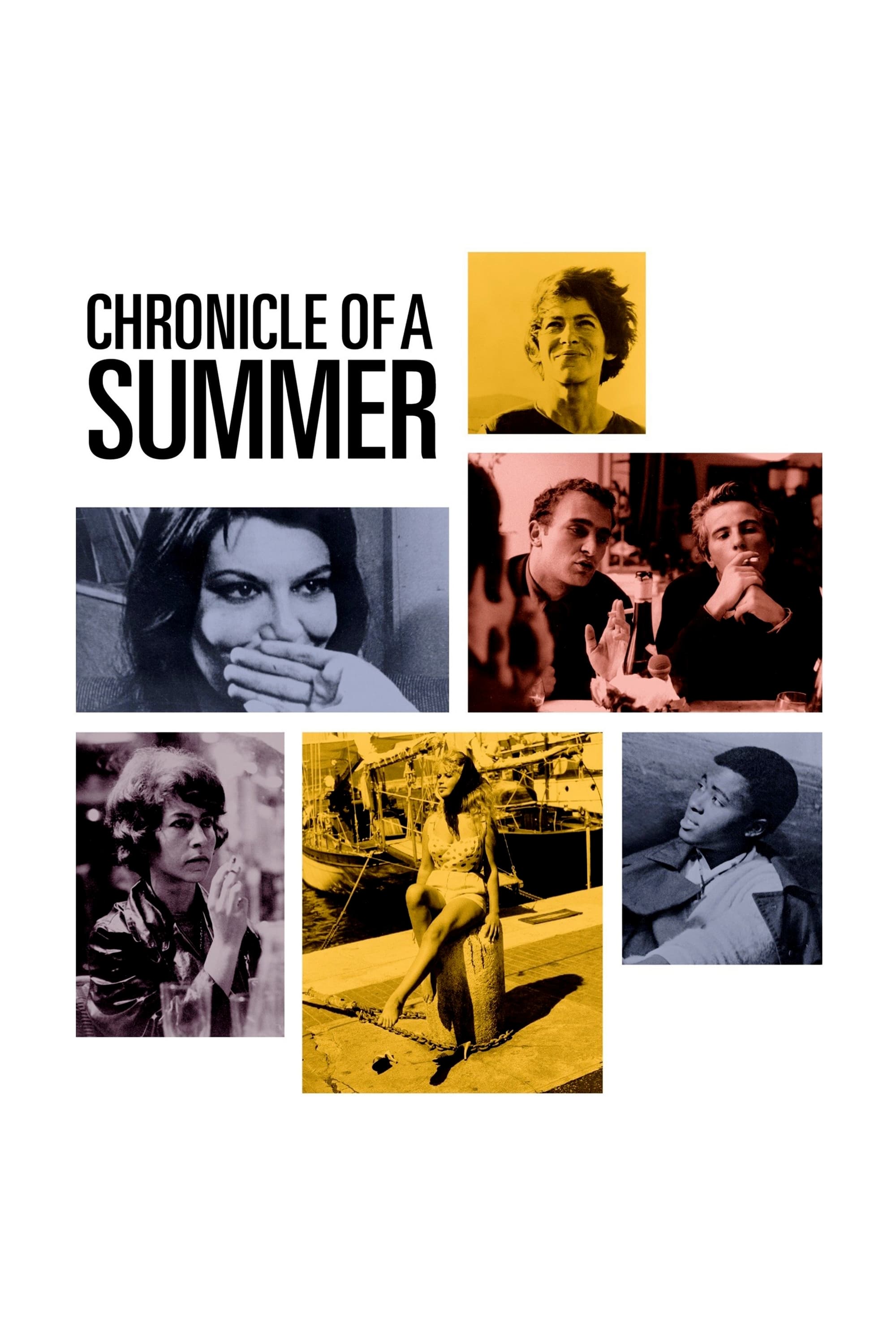
Chronicle of a Summer 1961
Documentary
Paris, summer 1960. Anthropologist and filmmaker Jean Rouch and sociologist and film critic Edgar Morin wander through the crowded streets asking passersby how they cope with life's misfortunes.
The sides of Chronicle of a Summer
- Passersby in Paris asked if they are happy
- Workers, students and friends talking about their lives
- Paris and Saint-Tropez in the summer of 1960
Good for you if
- you like black and white films that invented a way of filming.
- you like long, honest conversations with ordinary people.
- you want to feel France in 1960, with the Algerian war in the background.
Bad for you if
- you won't read subtitles.
- you need momentum more than long conversations.
About: happiness · work · friendship · the human condition
They'll Love Me When I'm Dead 2018
Documentary
As his life comes to its end, famous Hollywood director Orson Welles puts it all on the line at the chance for renewed success with the film The Other Side of the Wind.
The sides of They'll Love Me When I'm Dead
- Orson Welles making his last film
- The Other Side of the Wind
- Years of chaotic shooting and money troubles
Good for you if
- you want the real story behind a film shot over years and left unfinished.
- you like a portrait of a stubborn filmmaker late in life.
- you love old Hollywood and the era of Welles.
Bad for you if
- you need a story told in order, without a flood of archive footage.
- you want a warm, easy watch rather than a chaotic shoot.
About: ambition · legacy · art
Tokyo-Ga 1985
Documentary
German director Wim Wenders tries to explore the Tokyo that was depicted in the films of Yasujiro Ozu and finds a very different city.
The sides of Tokyo-Ga
- Wim Wenders walking through 1980s Tokyo
- Pachinko halls and plastic food
- Interviews with Ozu's actor Chishu Ryu and cameraman Yuharu Atsuta
Good for you if
- you like long, quiet shots of a city going about its day.
- you love Ozu and want to look for his Tokyo.
- you like a filmmaker's diary of a real city and its habits.
Bad for you if
- you won't read subtitles in German and Japanese.
- you want characters to follow. Here the only lead is the city.
About: memory · cinema · modern life

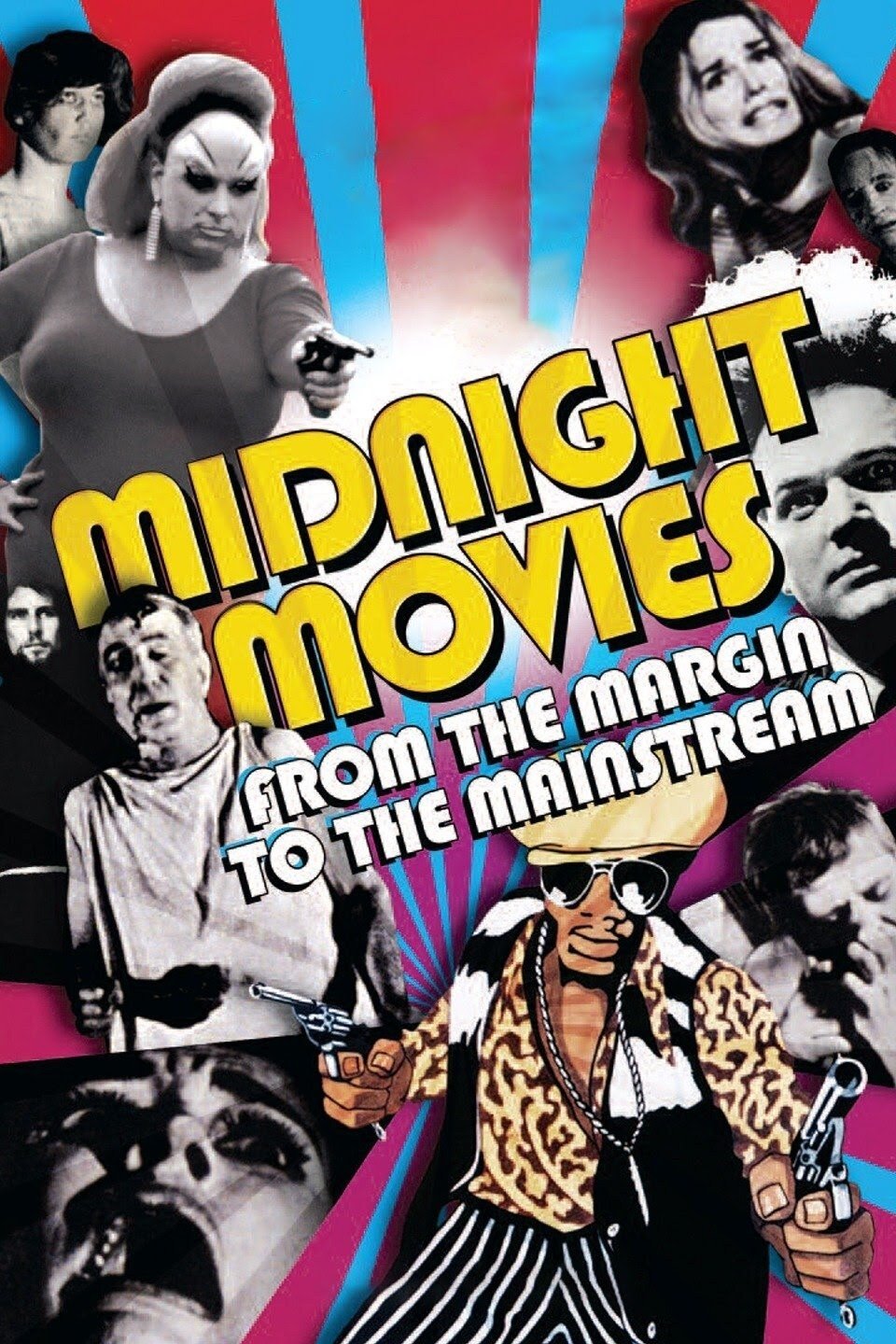
Midnight Movies: From the Margin to the Mainstream 2006
Documentary
From 1970-1977, six low budget films shown at midnight transformed the way we make and watch films.
The sides of Midnight Movies: From the Margin to the Mainstream
- Six cult films shown at midnight in the 1970s
- El Topo, Eraserhead and Rocky Horror
- Directors looking back on how it happened
Good for you if
- you love the cinema of the 1970s.
- you like the strangest films that ever found a crowd.
- you want the true story of how midnight screenings became a ritual.
Bad for you if
- you'd rather not see raw clips from films like Pink Flamingos.
- you want one story to follow, not six films and many interviews.
About: cult cinema · the counterculture · audiences
The Pervert's Guide to Cinema 2006
Documentary
A hilarious introduction, using as examples some of the best films ever made, to some of Slovenian philosopher and psychoanalyst Slavoj Žižek's most exciting ideas on personal subjectivity, fantasy and reality, desire and sexuality.
The sides of The Pervert's Guide to Cinema
- Slavoj Žižek talking through famous films
- Rebuilt sets from Hitchcock and Lynch films
- Psychoanalysis applied to desire and fantasy
Good for you if
- you like an excited philosopher talking nonstop about movies.
- you like strange readings of Psycho, The Birds and Blue Velvet.
- you love classic Hollywood and want to see it with new eyes.
Bad for you if
- two and a half hours of lecture is too much for you.
- you need a story with people to follow, not one man talking over film clips.
About: desire · fantasy · cinema
Burden of Dreams 1982
Documentary
The Amazon rain forest, 1979. The crew of Fitzcarraldo (1982), a film directed by German director Werner Herzog, soon finds itself with problems related to casting, tribal struggles and accidents, among many other setbacks; but nothing compared to dragging a huge steamboat up a mountain, while Herzog embraces the path of a certain madness to make his vision come true.
The sides of Burden of Dreams
- Werner Herzog shooting Fitzcarraldo in the Amazon
- A steamboat pulled over a mountain
- A film crew facing accidents and delays
Good for you if
- you like watching a real film shoot slowly fall apart.
- you like the Peruvian jungle filmed up close.
- you like the sight of a whole steamboat hauled up a hill.
Bad for you if
- you find early 1980s footage dated.
- you need a film that moves faster than a jungle shoot.
About: obsession · filmmaking · nature
Memory: The Origins of Alien 2019
Documentary
The untold origin story behind Ridley Scott's Alien - rooted in Greek and Egyptian mythologies, underground comics, the art of Francis Bacon, and the dark visions of Dan O'Bannon and H.R. Giger. A contemplation on the symbiotic collaborative process of movie-making, the power of myth, and our collective unconscious.
The sides of Memory: The Origins of Alien
- The making of Ridley Scott's Alien
- H.R. Giger's dark art
- Dan O'Bannon's script and old myths
Good for you if
- you like studying the art of H.R. Giger and Francis Bacon.
- you want to know how the chestburster scene came to be.
- you like digging into myths and nightmares behind a monster.
Bad for you if
- you'd rather watch Alien itself than an essay about it.
- you want a light, fun behind the scenes film.
About: creation · myth · fear
In Search of Darkness 2019
Documentary
An exploration of '80s horror movies through the perspective of the actors, directors, producers and SFX craftspeople who made them, and their impact on contemporary cinema.
The sides of In Search of Darkness
- Horror filmmakers looking back on the 1980s
- Makeup and gore effects explained
- A year by year tour of the decade
Good for you if
- you grew up on 80s horror tapes.
- you like hearing how the gore effects were made.
- you like stories from the actors and crews themselves.
Bad for you if
- you find over four hours too much for one sitting.
- you want to be scared, not hear people talk about it.
About: horror · nostalgia · craft
Salesman 1969
Documentary
This documentary from Albert and David Maysles follows the bitter rivalry of four door-to-door salesmen working for the Mid-American Bible Company: Paul "The Badger" Brennan, Charles "The Gipper" McDevitt, James "The Rabbit" Baker and Raymond "The Bull" Martos. Times are tough for this hard-living quartet, who spend their days traveling through small-town America, trying their best to peddle gold-leaf Bibles to an apathetic crowd of lower-middle-class housewives and elderly couples.
The sides of Salesman
- Four Bible salesmen on the road
- Sales pitches in working-class living rooms
- Motel rooms between visits
Good for you if
- you like watching real door-to-door salesmen at work in 1960s America.
- you like following Paul Brennan as his pitch stops working.
- you enjoy black and white documentaries from the sixties.
Bad for you if
- you need more happening than sales pitches in living rooms.
- you need music to carry a film. There's no score and no narrator, just the salesmen talking.
About: work · failure · the American dream
Man with a Movie Camera 1929
Documentary
A cameraman wanders around with a camera slung over his shoulder, documenting urban life with dazzling inventiveness.
The sides of Man with a Movie Camera
- A cameraman filming Soviet cities in the 1920s
- A day of city life from waking to work to play
- Split screens, slow motion and fast cuts
Good for you if
- you like seeing camera tricks invented before your grandparents were born.
- you like silent black and white film.
- you like the thrill of trams, factories and crowds cut to a rhythm.
Bad for you if
- you need a story and people to follow. There is no plot and no actor.
- you need words. It is silent, with no intertitles.
About: the city · modernity · cinema itself
Love Meetings 1965
Documentary
Pier Paolo Pasolini sets out to interview Italians about sex, apparently their least favorite thing to talk about in public: he asks children if they know where babies come from; asks old and young women if they support gender equality; asks both sexes if a woman's virginity still matters, what do they think of homosexuality, if divorce should be legal, or if they support the recent abolition of brothels. He interviews blue-collar workers, intellectuals, college students, rural farmers, the bourgeoisie, and every other kind of people, painting a vivid portrait of a rapidly-industrializing Italy, hanging between modernity and tradition — toward both of which Pasolini shows equal distrust.
The sides of Love Meetings
- Pasolini with a microphone across Italy
- Children asked where babies come from
- Questions on divorce, virginity and homosexuality
Good for you if
- you like ordinary people answering questions they never get asked.
- you want to see Italy in the sixties, torn between old and new.
- you like interviews where the hesitations say as much as the answers.
Bad for you if
- you won't read subtitles.
- you find black and white documentaries dated.
About: sexuality · tradition · modernity · morality
The Five Obstructions 2003
Documentary
In 1967, experimental filmmaker Jorgen Leth created a striking short film, The Perfect Human, starring a man and women sitting in a box while a narrator poses questions about their relationship and humanity. Years later, Danish director Lars von Trier made a deal with Leth to remake his film five times, each under a different set of circumstances and with von Trier's strictly prescribed rules. As Leth completes each challenge, von Trier creates increasingly further elaborate stipulations.
The sides of The Five Obstructions
- Jørgen Leth remaking his own short film
- Lars von Trier inventing the rules
- One remake made as a cartoon
Good for you if
- you like a game between two directors that keeps getting stranger.
- you're fascinated by Lars von Trier trying to break his mentor.
- you enjoy two filmmakers sparring across a table.
Bad for you if
- you won't read subtitles for the Danish parts.
- you need to know at the end who won the game between the two men.
About: creativity · constraints · mentorship