Should you watch WWII in HD?
Who it’s good for, who it isn’t, and what’s in it. No ratings, no scores.
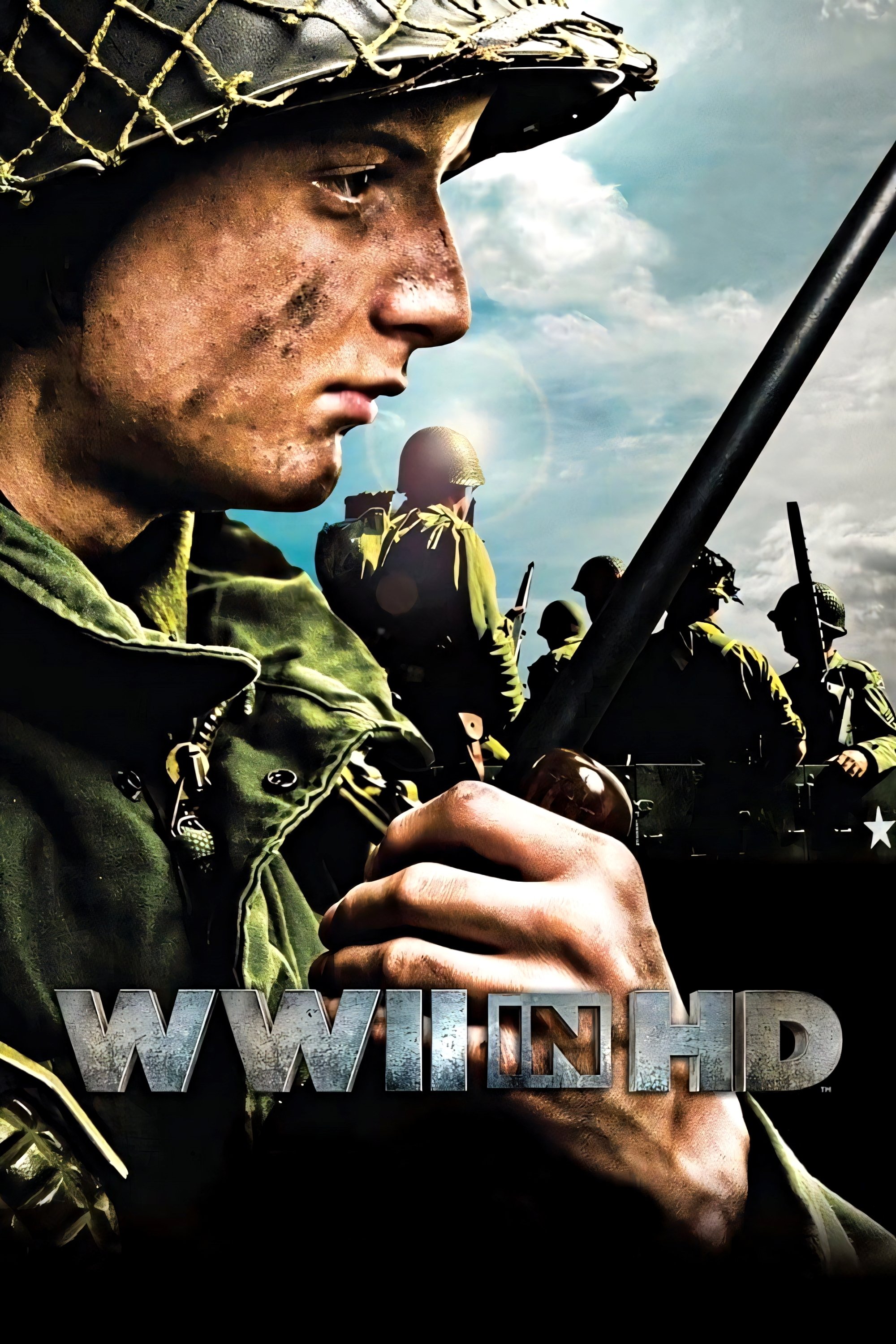
WWII in HD
Documentary · 2009
WWII in HD is a 10-part American documentary television miniseries that originally aired from November 15 to November 19, 2009 on the History Channel. The program focuses on the firsthand experiences of twelve American service members during World War II, including an Army nurse, a member of the Tuskegee Airmen, a second generation Japanese American and prisoner of war, and an Austrian Jewish immigrant. The twelve members recorded their time in both theaters and some had later interviews; found footage from the battlefield was paired with the stories of the twelve service members. The episodes premiered on five consecutive days, with two episodes per day. The series is narrated by Gary Sinise and was produced by Lou Reda Productions in Easton, Pennsylvania, United States.
The sides of WWII in HD
- Color footage from the battlefields
- Twelve Americans who served
- Narration by Gary Sinise
WWII in HD is good for you if…
- you want the war told by the people who were there.
- you like following soldiers, airmen and a nurse across both theaters.
- you like seeing World War II in color instead of black and white.
WWII in HD is bad for you if…
- you can't watch real footage of the dead and wounded.
- you can't take real stories of loss and prison camps.
About: sacrifice · memory · courage
Closest to WWII in HD
More like this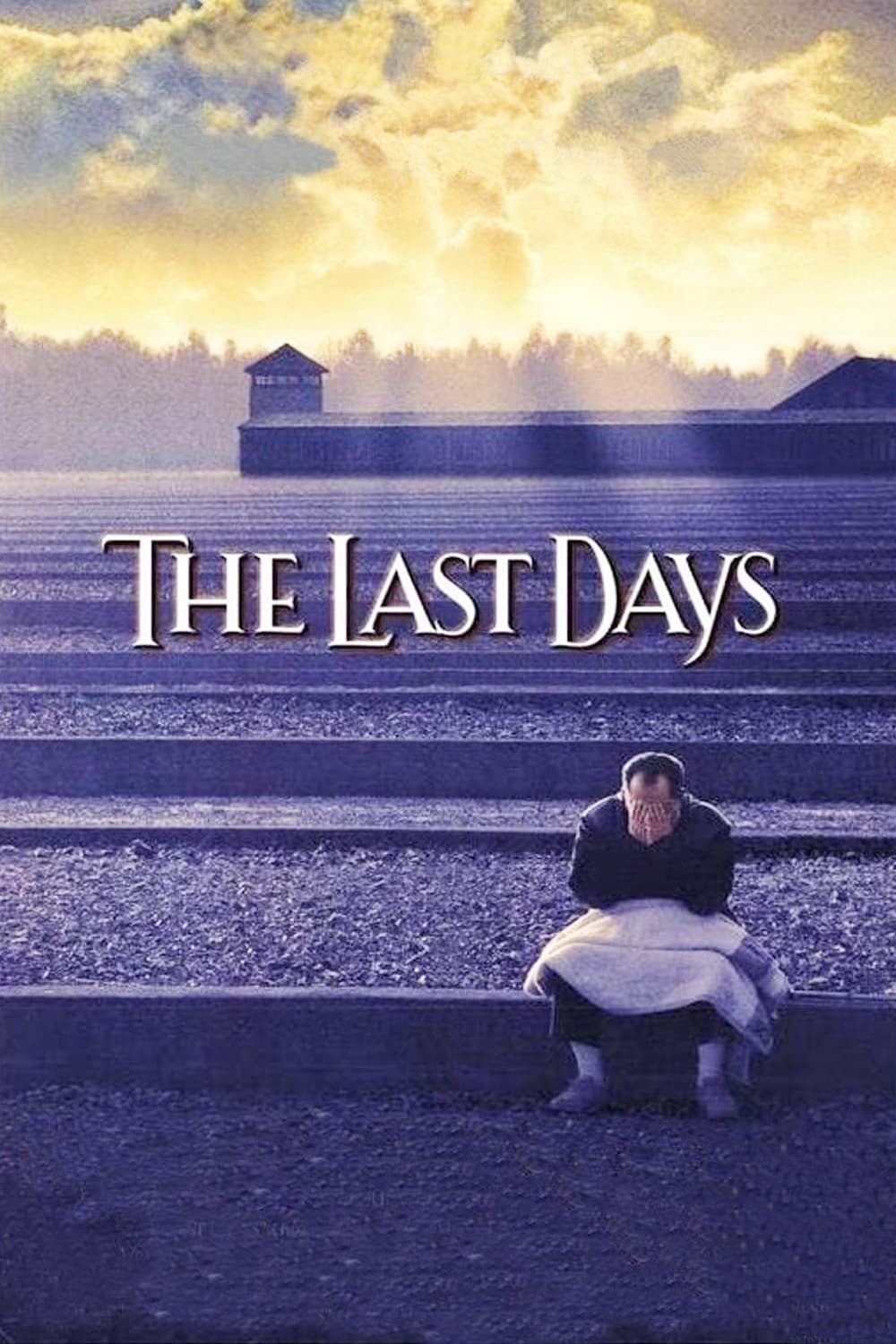 The Last Days 1998Good for you if you want to hear survivors tell their own stories.
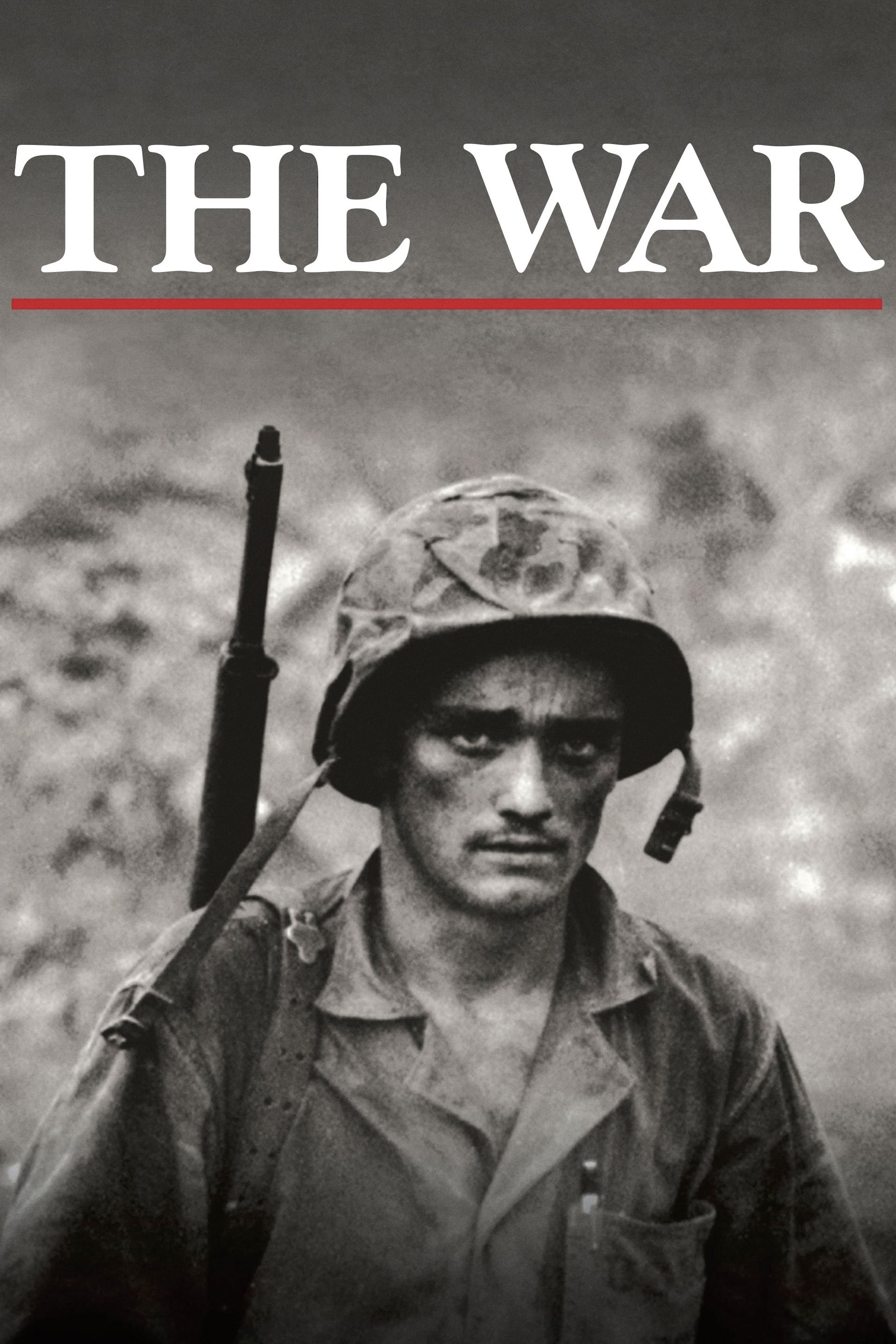 The War 2007Good for you if you want the Second World War told in depth, from the inside.
 The World at War 1973Good for you if you want the whole Second World War told in order, front by front.
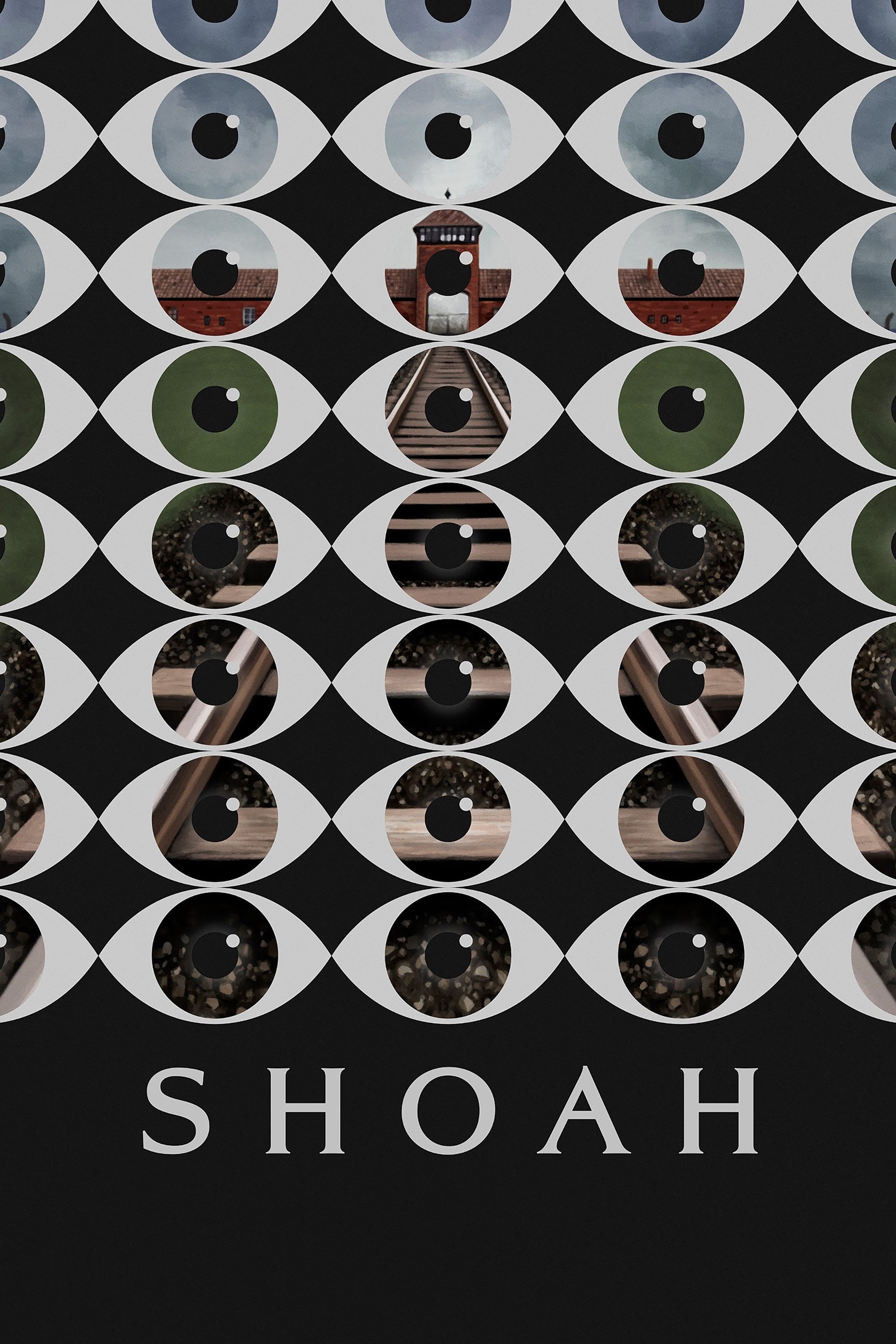 Shoah 1985Good for you if you want the Holocaust told by those who were there.
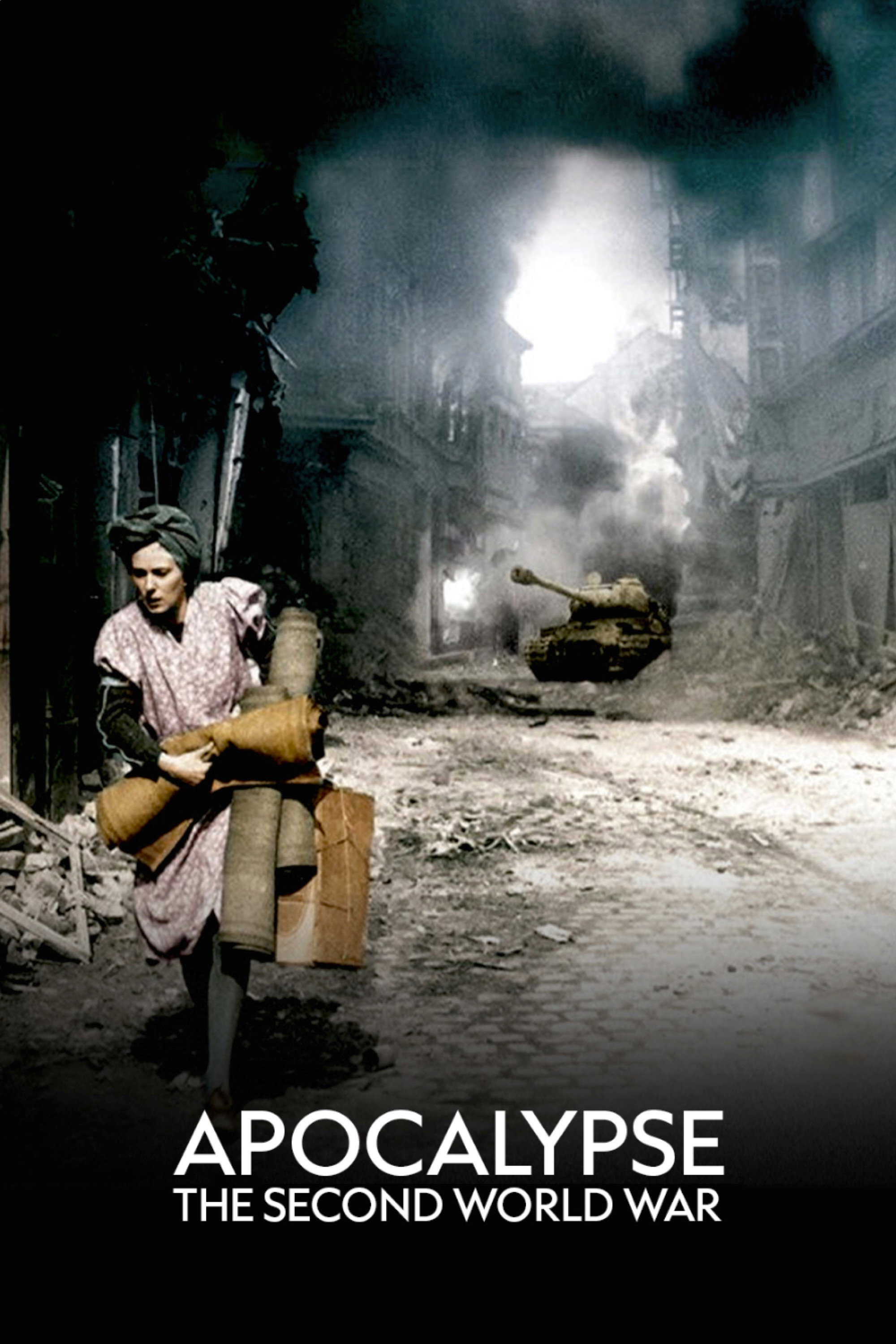 Apocalypse: The Second World War 2009Good for you if you want to see the Second World War through the eyes of those who filmed it.
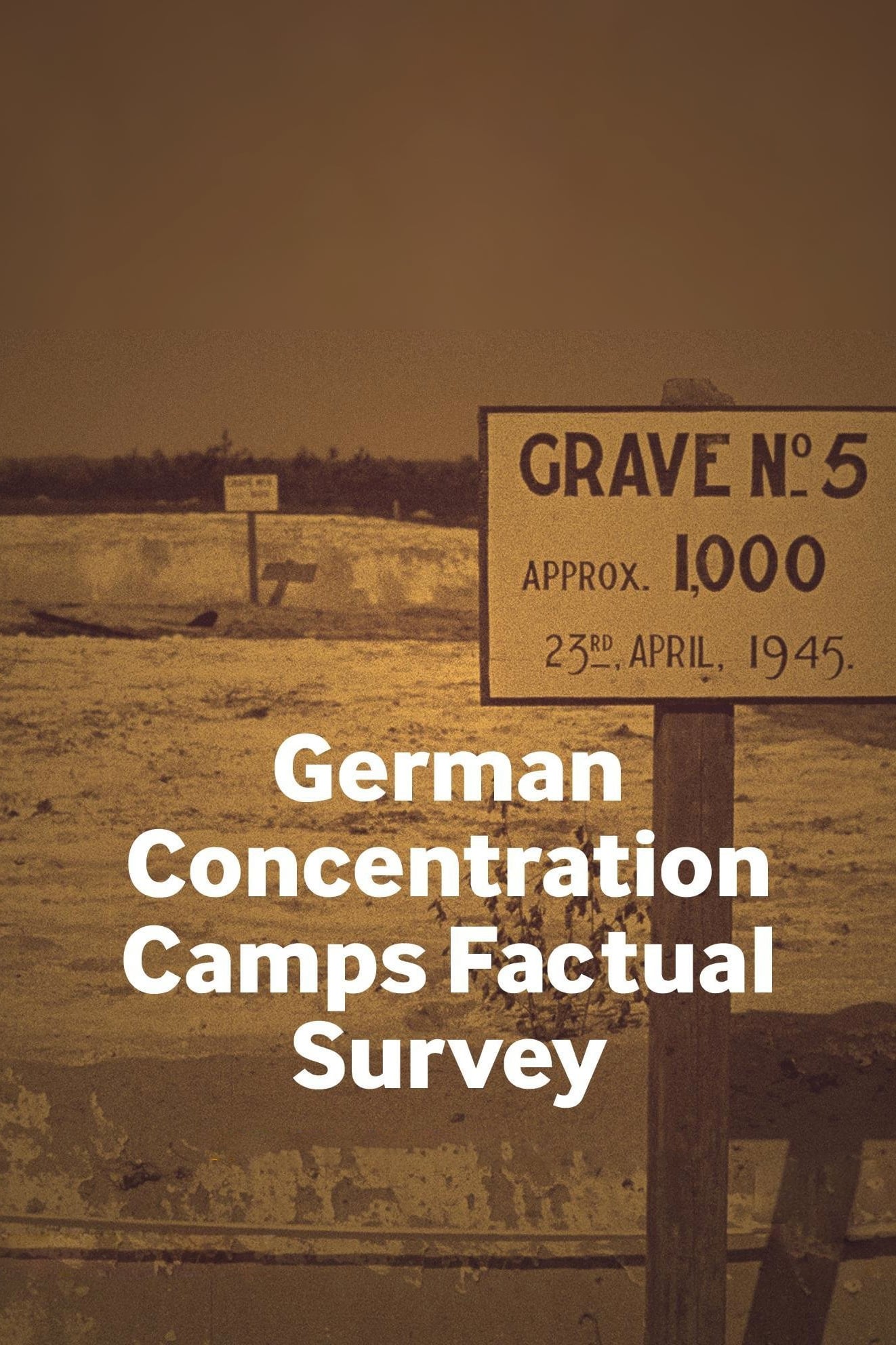 German Concentration Camps Factual Survey 2017Good for you if you want to see what Allied cameramen found when the camps were liberated.